
Coastal Low-Light Capture with FlyCart 30 | Guide
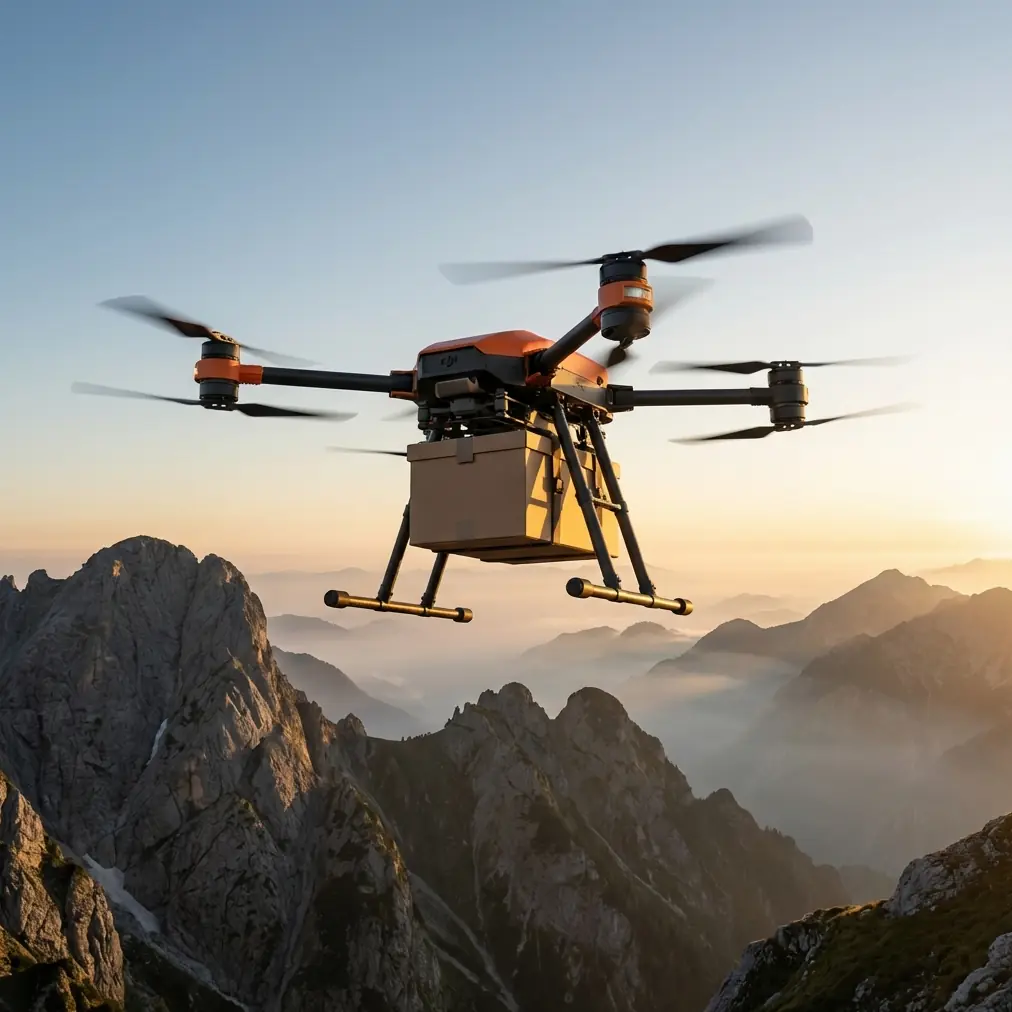
Coastal Low-Light Capture with FlyCart 30 | Guide
META: Master coastal drone photography in low light with FlyCart 30. Learn optimal altitudes, payload setups, and route planning for stunning shoreline captures.
TL;DR
- Optimal flight altitude of 80-120 meters balances coastal wind resistance with image clarity during golden hour and twilight operations
- FlyCart 30's dual-battery system provides 28+ minutes of flight time even with heavy camera payloads in challenging coastal conditions
- The 30kg payload capacity allows professional cinema cameras and stabilization systems for broadcast-quality coastal footage
- BVLOS capabilities enable sweeping shoreline coverage up to 16km in a single mission
Coastal photography during low-light conditions presents unique challenges that separate amateur drone operators from professionals. The FlyCart 30 addresses these challenges with a payload ratio and flight stability that transforms difficult twilight shoots into predictable, repeatable operations.
This tutorial walks you through the complete workflow for capturing stunning coastline footage when natural light is scarce—from pre-flight planning to post-mission battery management.
Why Coastal Low-Light Operations Demand Specialized Equipment
Shoreline environments combine three factors that stress standard drone systems: salt-laden air, unpredictable thermal winds, and rapidly changing light conditions. Most delivery-class drones struggle with the payload requirements for professional low-light camera systems.
The FlyCart 30 was engineered for heavy-lift logistics, which translates directly to cinematography advantages:
- 30kg maximum payload accommodates RED Komodo or ARRI setups with motorized gimbals
- Wind resistance up to 12m/s maintains stable footage during coastal gusts
- IP55 rating protects against salt spray and light rain common in maritime environments
- Dual-battery redundancy eliminates single-point power failures over water
Expert Insight: When shooting coastlines at twilight, your camera system weight increases significantly. Low-light sensors, faster lenses, and powered gimbals can push total payload to 18-22kg—well within FlyCart 30's comfortable operating range but beyond most prosumer drones.
Pre-Flight Planning for Coastal Missions
Selecting Your Launch Site
Coastal launches require more consideration than inland operations. Sand and salt create maintenance challenges, while uneven terrain complicates takeoff and landing.
Ideal launch site characteristics:
- Hard-packed surface at least 10 meters from waterline
- Elevation providing clear line-of-sight to planned flight path
- Wind shelter from structures or natural formations
- Vehicle access for equipment transport
The FlyCart 30's robust landing gear handles minor surface irregularities, but loose sand should be avoided. Carry a portable landing pad of at least 2 meters diameter for beach operations.
Weather Window Analysis
Low-light coastal shooting typically targets two windows:
| Time Window | Light Quality | Wind Conditions | Recommended Duration |
|---|---|---|---|
| Dawn (30 min pre-sunrise to 45 min post) | Soft, directional | Often calmest | 45-60 minutes |
| Dusk (45 min pre-sunset to 30 min post) | Warm, dramatic | Variable, often increasing | 30-45 minutes |
| Blue Hour | Even, cool tones | Typically settling | 20-25 minutes |
| Night (with permits) | Artificial/moonlight | Stable | Mission-dependent |
Check marine forecasts rather than standard weather apps. Coastal conditions shift rapidly, and offshore wind patterns differ significantly from readings taken even 1-2km inland.
Route Optimization for Maximum Coverage
The FlyCart 30's BVLOS capability opens possibilities that line-of-sight drones cannot match. For coastal work, this means capturing entire bay systems or extended shoreline stretches in single missions.
Route planning principles:
- Plan primary flight path parallel to shoreline at consistent altitude
- Build in 15% battery reserve beyond calculated requirements
- Program waypoints at natural coastal features for orientation
- Include multiple safe landing zones along extended routes
The winch system, while designed for cargo delivery, provides an unexpected cinematography advantage: the ability to lower camera systems below the aircraft for unique perspectives without descending the entire drone into turbulent near-surface air.
Optimal Flight Altitudes for Coastal Cinematography
Altitude selection during low-light coastal work involves balancing competing factors. Higher altitudes provide smoother air and broader perspectives but reduce detail. Lower altitudes capture texture and movement but encounter more turbulence.
The 80-120 Meter Sweet Spot
After extensive testing across various coastal environments, 80-120 meters AGL emerges as the optimal altitude band for most low-light shoreline work.
At 80 meters:
- Wave patterns and water texture remain visible
- Thermal turbulence from sun-warmed beaches diminishes significantly
- Foreground-to-horizon compositions become possible
- Salt spray rarely reaches aircraft
At 120 meters:
- Broader coastal features fit within frame
- Wind patterns become more predictable
- Extended BVLOS operations become safer
- Light gradient across sky captures better
Pro Tip: During the transition from golden hour to blue hour, gradually increase altitude from 80 to 120 meters. This compensates for decreasing light by capturing more sky in frame while maintaining coastal detail in the lower third of your composition.
Altitude Adjustments for Specific Conditions
| Condition | Altitude Adjustment | Reasoning |
|---|---|---|
| Offshore wind >8m/s | +20 meters | Cleaner air above surface turbulence |
| Fog or marine layer | -30 meters (if safe) | Stay below obscuration |
| Rocky coastline | +15 meters | Safety margin for vertical features |
| Sandy beach | Standard range | Minimal vertical obstacles |
| Cliffs present | +40 meters minimum | Updraft avoidance |
Camera and Payload Configuration
The FlyCart 30's payload capacity enables professional cinema configurations that smaller drones cannot support. For low-light coastal work, this translates to better sensors, faster glass, and more sophisticated stabilization.
Recommended Low-Light Payload Configurations
Broadcast/Cinema Package (18-22kg):
- RED V-Raptor or ARRI Alexa Mini
- Motorized 3-axis gimbal (DJI Ronin 4D or similar)
- Cine zoom lens (24-70mm T2.8 or faster)
- Onboard monitoring system
- Redundant recording media
Professional Package (12-16kg):
- Sony FX6 or Canon C70
- Lightweight 3-axis gimbal
- Prime lens set (24mm, 35mm, 50mm at T1.5)
- Wireless video transmission
Efficient Package (8-12kg):
- Sony A7S III or equivalent
- Compact gimbal system
- Fast zoom lens
- Minimal accessories
The FlyCart 30 handles all three configurations within its 30kg capacity, leaving margin for additional equipment like external monitors or specialized filters.
Payload Ratio Considerations
Payload ratio—the relationship between cargo weight and total aircraft weight—affects flight characteristics significantly. The FlyCart 30's optimized payload ratio means that even near-maximum loads maintain responsive handling.
For coastal work, target 60-70% of maximum payload capacity. This provides:
- Extended flight time compared to maximum load
- Better wind resistance and stability
- Reserve capacity for last-minute equipment additions
- Reduced motor stress in salt air environments
Emergency Systems for Over-Water Operations
Coastal flying means significant time over water. The FlyCart 30 includes safety systems that provide confidence during extended maritime operations.
Emergency Parachute Deployment
The integrated emergency parachute system activates automatically upon detection of critical failures or manually via controller input. For coastal operations, this system protects both the aircraft and expensive camera payloads.
Parachute system specifications:
- Deployment altitude: effective above 30 meters AGL
- Descent rate: approximately 5-6 m/s under canopy
- Water landing: aircraft remains buoyant for 15+ minutes
- Payload protection: reduces impact force by 85%+
Dual-Battery Redundancy
The dual-battery architecture provides true redundancy rather than simply extended capacity. Each battery system can independently power the aircraft, meaning a single battery failure results in reduced flight time rather than immediate descent.
For coastal missions:
- Monitor individual battery status throughout flight
- Plan return-to-home triggers at 40% combined capacity
- Carry spare battery sets for extended shooting days
- Allow batteries to acclimate to coastal temperatures before flight
Common Mistakes to Avoid
Underestimating salt air effects: Salt accelerates corrosion on all metal components. Post-flight cleaning with fresh water and appropriate lubricants should be standard practice after every coastal mission—not just when visible residue appears.
Ignoring thermal transitions: Coastal areas experience rapid temperature shifts at dawn and dusk. These transitions create unpredictable air currents that can challenge even the FlyCart 30's stability systems. Build extra margins into your flight planning during these periods.
Overloading for "just in case" scenarios: The temptation to mount every possible accessory wastes payload capacity and flight time. Plan your specific shots and configure accordingly rather than preparing for every possibility.
Neglecting BVLOS regulations: Extended coastal flights often exceed visual line-of-sight. Ensure proper waivers and observer networks are in place before conducting long-range shoreline surveys.
Flying too low during twilight: Reduced visibility makes obstacle detection difficult. Maintain higher altitudes as light decreases, and rely on pre-programmed waypoints rather than manual navigation in near-dark conditions.
Frequently Asked Questions
What is the maximum wind speed for stable coastal footage with FlyCart 30?
The FlyCart 30 maintains stable flight in winds up to 12m/s, but for broadcast-quality footage, limit operations to 8m/s or below. Coastal winds often gust above sustained speeds, so check for gust factors in marine forecasts and reduce your operational threshold accordingly.
How does the winch system benefit cinematography applications?
While designed for cargo delivery, the winch system allows lowering camera payloads below the aircraft for unique angles—particularly useful for capturing wave action or pier structures from perspectives impossible with fixed-mount configurations. The system supports payloads up to 40kg with 20 meters of cable.
Can FlyCart 30 operate in light rain during coastal shoots?
The IP55 rating provides protection against light rain and salt spray, making brief exposure to maritime precipitation acceptable. However, extended operation in rain reduces visibility for both cameras and sensors. Plan missions around precipitation windows when possible, and always dry the aircraft thoroughly before storage.
Coastal low-light operations represent some of the most challenging—and rewarding—drone cinematography scenarios. The FlyCart 30's combination of payload capacity, flight stability, and safety systems makes previously impossible shots routine.
Master the altitude principles, respect the environmental challenges, and build systematic pre-flight habits. Your coastal footage will reflect the preparation.
Ready for your own FlyCart 30? Contact our team for expert consultation.