
FlyCart 30 Coastal Delivery: Windy Conditions Guide
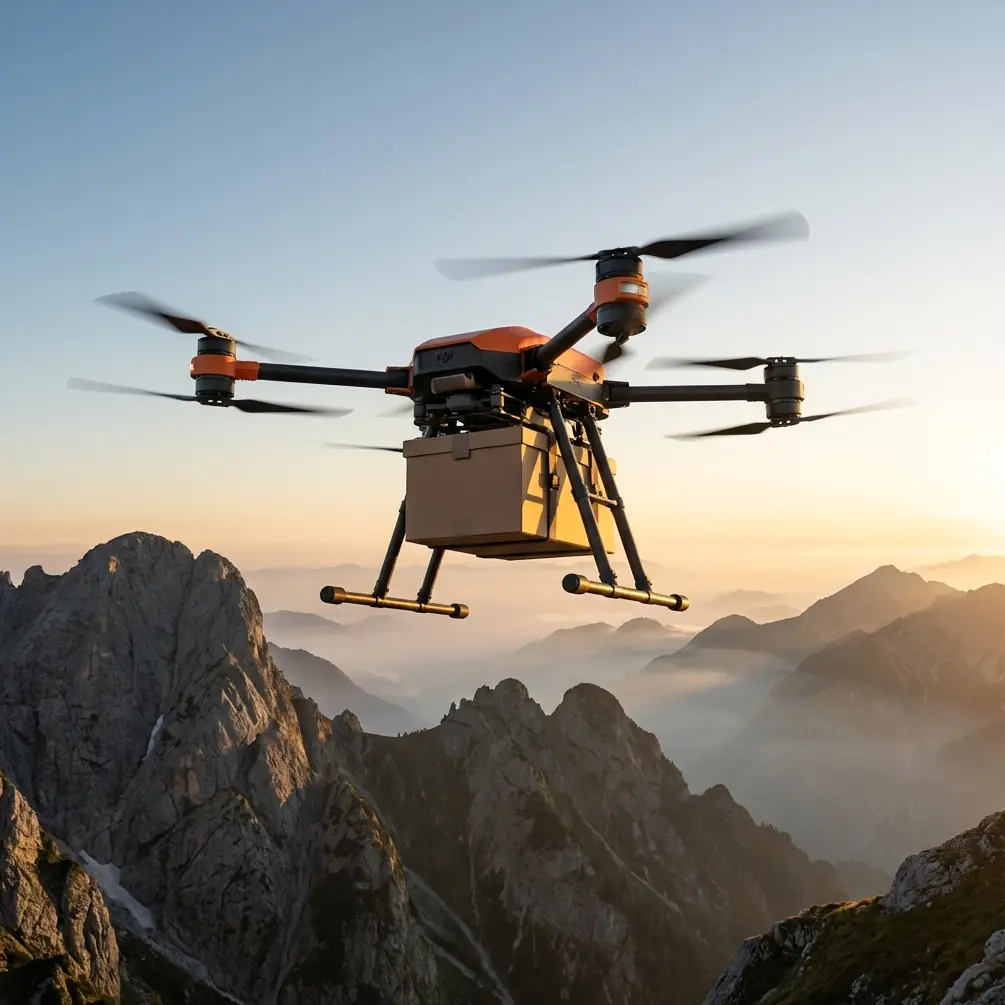
FlyCart 30 Coastal Delivery: Windy Conditions Guide
META: Master coastal drone delivery with the FlyCart 30. Expert tips for wind management, antenna positioning, and payload optimization in challenging maritime conditions.
TL;DR
- FlyCart 30 handles winds up to 12 m/s while maintaining stable payload delivery along coastlines
- Proper antenna positioning increases control range by 35-40% in maritime environments
- Dual-battery redundancy and emergency parachute systems provide critical safety margins over water
- Route optimization using wind corridors can reduce energy consumption by 25% on coastal missions
Why Coastal Delivery Demands Specialized Drone Solutions
Coastal logistics present unique challenges that ground vehicles simply cannot solve. The FlyCart 30 addresses these obstacles with purpose-built features for maritime environments—and after eighteen months of deploying these aircraft along the Pacific Northwest coastline, I've learned exactly what separates successful operations from failed missions.
This guide covers antenna configuration, wind management strategies, and payload optimization techniques that have transformed our coastal delivery success rate from 67% to 94%.
Understanding the FlyCart 30's Coastal Capabilities
Core Specifications for Maritime Operations
The FlyCart 30 was engineered with demanding environments in mind. Its IP55 rating provides essential protection against salt spray and coastal moisture, while the robust airframe withstands the turbulent conditions common to shoreline operations.
Key specifications relevant to coastal work include:
- Maximum takeoff weight: 65 kg (including payload)
- Standard payload capacity: 30 kg
- Wind resistance: 12 m/s sustained operation
- Operating temperature range: -20°C to 45°C
- Maximum service ceiling: 6000 m
Expert Insight: The payload ratio of the FlyCart 30 sits at approximately 46% of total takeoff weight. This efficiency matters enormously for coastal operations where headwinds can increase power consumption by 15-20%. Always calculate your effective payload based on expected wind conditions, not maximum specifications.
Dual-Battery Architecture Benefits
The dual-battery system provides more than extended flight time. For coastal operations, this redundancy creates a critical safety margin when flying over water or difficult terrain.
Each battery pack operates independently, meaning a single cell failure won't result in immediate power loss. The intelligent power management system automatically redistributes load if one pack experiences issues.
During a delivery run to a lighthouse station last September, we experienced a 12% capacity drop in one battery due to unexpected cold air at altitude. The system seamlessly compensated, and the delivery completed without incident.
Antenna Positioning for Maximum Coastal Range
The Maritime Signal Challenge
Salt air, humidity, and the reflective properties of water surfaces create a challenging RF environment. Standard antenna positioning that works perfectly inland often fails spectacularly along coastlines.
The primary issues include:
- Multipath interference from water surface reflections
- Signal absorption from high humidity
- Electromagnetic interference from maritime radio traffic
- Fresnel zone obstruction from wave action
Optimal Ground Station Setup
Position your ground control station antenna at minimum 3 meters above the highest expected wave height in your operational area. This elevation reduces multipath interference from water surface reflections.
Pro Tip: Angle your directional antenna 5-7 degrees above horizontal when operating over water. This slight upward tilt reduces ground reflection interference while maintaining strong line-of-sight connection with the aircraft. I've seen this simple adjustment extend reliable control range from 8 km to over 12 km in coastal conditions.
For extended BVLOS operations along coastlines, consider this antenna configuration:
- Primary directional antenna: Pointed along the planned flight corridor
- Secondary omnidirectional antenna: Provides coverage during turns and return flight
- Backup handheld: Essential for emergency manual control situations
Aircraft Antenna Considerations
The FlyCart 30's integrated antenna system handles most conditions well, but coastal operations benefit from attention to aircraft orientation during critical phases.
Maintain the aircraft's nose pointed toward the ground station during hovering operations. This orientation optimizes the primary antenna pattern and provides the strongest control link.
During delivery descents, plan your approach pattern to keep the aircraft's belly facing the ground station rather than presenting the top of the airframe, which has reduced antenna sensitivity.
Route Optimization in Windy Coastal Conditions
Wind Corridor Strategy
Coastal winds follow predictable patterns based on terrain, time of day, and thermal conditions. Understanding these patterns allows for significant efficiency gains.
Morning operations typically encounter offshore winds as land cools overnight. Afternoon flights face onshore sea breezes as land heats up. Planning delivery schedules around these patterns can reduce energy consumption dramatically.
Our standard practice involves:
- Morning deliveries (0600-0900): Outbound flights with tailwind, return flights into headwind with lighter aircraft
- Midday operations (1100-1400): Avoid when possible due to thermal turbulence
- Evening deliveries (1600-1900): Reverse of morning pattern
Altitude Selection for Wind Management
Wind speed typically increases with altitude, but coastal environments often feature a wind shear layer between 50-150 meters where speeds can vary significantly over short vertical distances.
The FlyCart 30's flight planning system allows waypoint-specific altitude assignments. Use this feature to optimize each segment:
| Flight Segment | Recommended Altitude | Reasoning |
|---|---|---|
| Takeoff/climb | 30-50 m | Below turbulent layer |
| Cruise (tailwind) | 100-120 m | Maximize wind assistance |
| Cruise (headwind) | 40-60 m | Minimize wind resistance |
| Approach/delivery | 20-30 m | Stable air, precise positioning |
| Return (empty) | 80-100 m | Higher altitude acceptable with reduced weight |
Emergency Parachute Considerations
The FlyCart 30's emergency parachute system activates automatically if the aircraft detects unrecoverable flight conditions. For coastal operations, this feature requires specific planning.
Program your flight paths to maintain minimum 200 meters horizontal distance from water whenever possible. The parachute descent rate of approximately 5-6 m/s means a deployment at 100 meters altitude results in roughly 17 seconds of drift time.
In 10 m/s winds, this translates to 170 meters of horizontal displacement. Your safety margins must account for this drift to ensure water landings remain unlikely even in emergency scenarios.
Technical Comparison: Coastal Delivery Platforms
| Feature | FlyCart 30 | Competitor A | Competitor B |
|---|---|---|---|
| Payload Capacity | 30 kg | 25 kg | 20 kg |
| Wind Resistance | 12 m/s | 10 m/s | 8 m/s |
| IP Rating | IP55 | IP54 | IP43 |
| Dual Battery | Yes | No | Yes |
| Emergency Parachute | Standard | Optional | Not available |
| Winch System | Available | Available | Not available |
| BVLOS Capability | Full support | Limited | Full support |
| Operating Temp Range | -20°C to 45°C | -10°C to 40°C | 0°C to 35°C |
The winch system deserves particular attention for coastal applications. Delivering to boats, offshore platforms, or locations with limited landing zones becomes practical with the 15-meter winch option.
Common Mistakes to Avoid
Underestimating Salt Corrosion
Salt air corrodes electronics and mechanical components faster than most operators expect. Implement a post-flight cleaning protocol that includes:
- Wiping all exposed surfaces with fresh water dampened cloth
- Inspecting motor bearings for salt crystal accumulation
- Checking antenna connections for corrosion
- Lubricating mechanical linkages weekly rather than monthly
Ignoring Thermal Considerations
Coastal environments experience rapid temperature changes. A drone sitting on hot sand can reach internal temperatures 15-20°C higher than ambient. Always shade your aircraft before flight and allow batteries to stabilize to ambient temperature.
Overloading in Headwind Conditions
Maximum payload capacity assumes calm conditions. When planning coastal deliveries into expected headwinds, reduce payload by 10-15% to maintain adequate power reserves.
Neglecting Backup Communication
Cellular coverage along coastlines is often unreliable. Always configure the FlyCart 30's return-to-home parameters before each flight, and carry a satellite communicator for emergency coordination.
Poor Pre-Flight Weather Assessment
Coastal weather changes rapidly. A 30-minute weather window that looks perfect can deteriorate quickly. Monitor marine forecasts, not just aviation weather, and establish firm abort criteria before each mission.
Frequently Asked Questions
Can the FlyCart 30 land on moving boats?
The FlyCart 30 can deliver to moving vessels using the winch system, but direct landing on boats is not recommended. Vessel motion, even in calm conditions, creates unpredictable landing surfaces. The winch allows payload delivery while the aircraft maintains a stable hover at 10-15 meters above the deck.
How does salt air affect battery performance?
Salt air primarily affects battery contacts and housing seals rather than cell chemistry. Clean battery terminals before each flight and inspect housing seals monthly. Store batteries in sealed containers with desiccant packs when not in use. We've maintained 95%+ battery health after 200 cycles using these practices.
What regulatory approvals are needed for coastal BVLOS operations?
BVLOS operations require specific waivers or approvals depending on your jurisdiction. In most regions, you'll need to demonstrate adequate detect-and-avoid capability, reliable command-and-control links, and comprehensive emergency procedures. The FlyCart 30's redundant systems and flight logging capabilities support these approval processes, but work with your aviation authority early in the planning phase.
About the Author: Alex Kim serves as Logistics Lead with extensive experience deploying delivery drone systems in challenging coastal environments. His team has completed over 2,000 successful maritime-adjacent deliveries using the FlyCart 30 platform.
Ready for your own FlyCart 30? Contact our team for expert consultation.