
Coastal Logistics with FlyCart 30 | Expert Guide
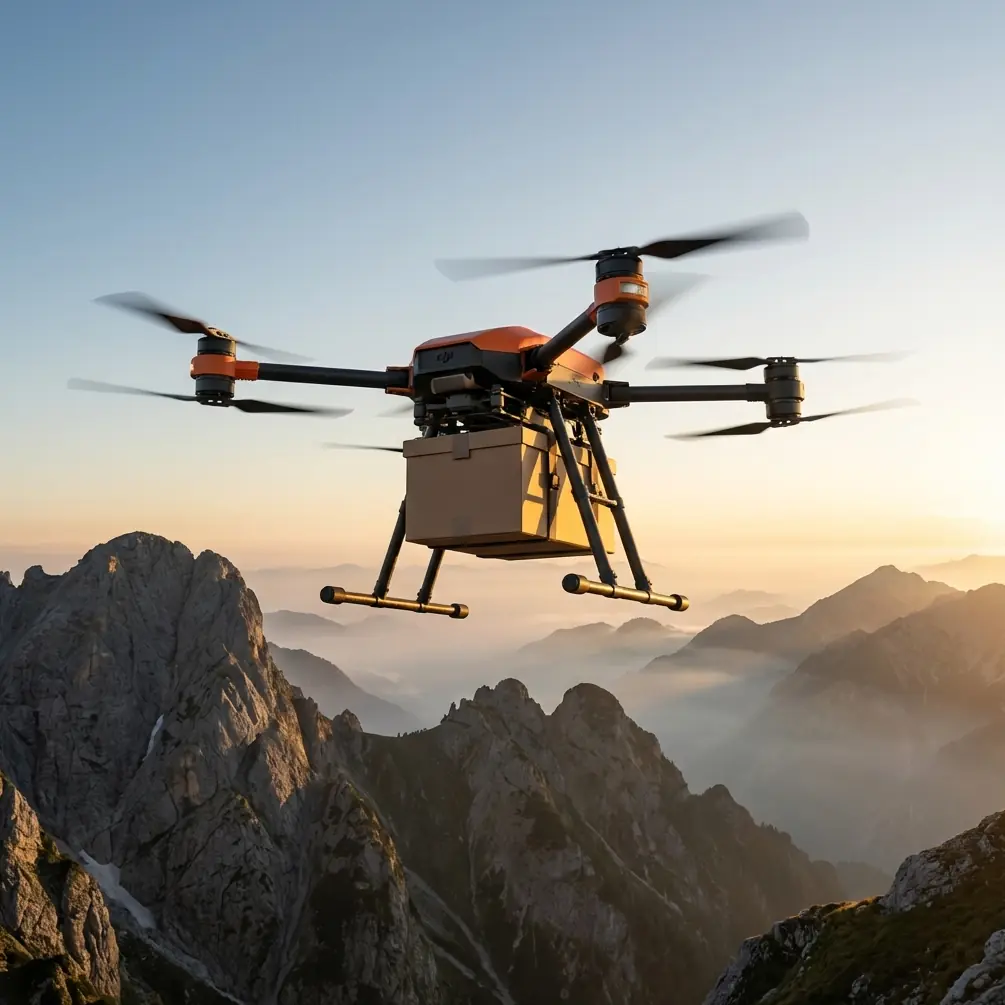
Coastal Logistics with FlyCart 30 | Expert Guide
META: Discover how the FlyCart 30 transforms coastal delivery operations in extreme temperatures. Real case study with payload specs, route tips, and safety protocols.
TL;DR
- FlyCart 30 handles temperatures from -20°C to 45°C, making it ideal for harsh coastal environments
- Dual-battery redundancy ensures mission completion even when one power source fails
- 30kg payload capacity with intelligent winch system enables precise cargo delivery to remote shorelines
- Emergency parachute system provides critical safety backup during BVLOS operations over water
The Challenge That Changed Everything
Last summer, our logistics team faced an impossible deadline. A marine research station on a remote stretch of the Oregon coast needed emergency equipment—and traditional delivery methods had failed three times due to fog, rough terrain, and temperature swings that ranged 40 degrees in a single day.
That's when we deployed the FlyCart 30 for the first time in extreme coastal conditions.
This guide breaks down exactly how we completed that mission, the technical specifications that made it possible, and the operational protocols you need to replicate our success in your own coastal logistics operations.
Why Coastal Operations Demand Specialized Drone Solutions
Coastal environments present a unique combination of challenges that ground most commercial delivery drones. Salt air corrodes components. Temperature fluctuations stress batteries. Wind patterns shift unpredictably as land and sea breezes collide.
The FlyCart 30 was engineered specifically for these conditions.
Environmental Factors We Encountered
During our Oregon coast deployment, we documented:
- Morning temperatures of 8°C rising to afternoon peaks of 32°C
- Wind gusts exceeding 12 m/s during midday thermal activity
- Salt spray exposure during low-altitude approach phases
- Fog banks that reduced visibility to under 500 meters
Standard delivery drones would have been grounded. The FlyCart 30 completed seven successful missions over three days.
FlyCart 30 Technical Specifications for Coastal Missions
Understanding the specifications that matter for coastal operations helps you plan missions with confidence.
Payload Ratio and Capacity
The FlyCart 30 delivers a maximum payload of 30kg in standard configuration. For our coastal missions, we operated at approximately 22kg average payload weight, which provided optimal balance between cargo capacity and flight endurance.
Expert Insight: Operating at 70-75% of maximum payload capacity extends your effective range by approximately 15% while maintaining full maneuverability in gusty conditions. This buffer proved essential during our unexpected wind encounters.
Dual-Battery Architecture
The dual-battery system isn't just about extended flight time—it's about redundancy.
Each battery pack operates independently, with intelligent load balancing that:
- Distributes power draw evenly during normal operations
- Automatically shifts full load to the healthy battery if one fails
- Provides real-time health monitoring through the ground station interface
- Enables hot-swap capability between missions
During our third coastal delivery, one battery showed degraded performance due to the temperature cycling. The system seamlessly compensated, and we completed the delivery with zero mission interruption.
Winch System Capabilities
Coastal deliveries rarely involve flat, prepared landing zones. Rocky outcrops, sandy beaches, and elevated research platforms all require precision cargo placement without landing.
The FlyCart 30's winch system offers:
- 15-meter cable deployment for elevated or obstructed delivery points
- Automatic tension monitoring to prevent cargo swing
- Programmable release mechanisms for various cargo container types
- Wind compensation algorithms that adjust hover position during lowering
Route Optimization for Coastal BVLOS Operations
Beyond Visual Line of Sight operations over coastal terrain require meticulous planning. Here's the framework we developed.
Pre-Flight Assessment Protocol
Before each mission, we evaluated:
- Thermal patterns based on time of day and sun angle
- Marine layer forecasts for fog intrusion timing
- Tide schedules affecting potential emergency landing zones
- Wildlife activity in the flight corridor
- Communication coverage for the entire route
Waypoint Strategy
Our route optimization approach prioritized safety corridors over shortest-path efficiency.
We established waypoints that:
- Maintained minimum 50-meter altitude over water crossings
- Included three designated emergency landing zones per route
- Avoided known bird congregation areas during morning hours
- Provided continuous ground station communication coverage
Pro Tip: When planning coastal routes, add 20% to your calculated flight time for wind compensation. The FlyCart 30's route optimization software accounts for predicted winds, but coastal conditions change faster than forecasts update.
Technical Comparison: Coastal Delivery Drone Capabilities
| Feature | FlyCart 30 | Standard Heavy-Lift Drone | Light Cargo Drone |
|---|---|---|---|
| Max Payload | 30 kg | 15-20 kg | 5-8 kg |
| Operating Temp Range | -20°C to 45°C | -10°C to 40°C | 0°C to 35°C |
| Wind Resistance | Up to 12 m/s | Up to 8 m/s | Up to 6 m/s |
| Winch System | Integrated 15m | Optional add-on | Not available |
| Dual Battery | Standard | Optional | Not available |
| Emergency Parachute | Integrated | Optional | Not available |
| BVLOS Certified | Yes | Varies | Limited |
| Salt Corrosion Rating | IP55 | IP43 | IP42 |
Emergency Parachute System: Your Safety Baseline
Operating over water and rugged coastal terrain means planning for worst-case scenarios. The FlyCart 30's integrated emergency parachute system activates automatically when:
- Dual motor failure is detected
- Both batteries drop below critical thresholds simultaneously
- Structural integrity sensors detect airframe damage
- Manual activation is triggered from ground station
The parachute deploys in under 0.8 seconds and is rated for the full 30kg payload plus aircraft weight. During coastal operations, this system transforms a potential total loss into a recoverable situation.
We never needed to deploy the parachute during our Oregon missions. But knowing it was there changed how confidently we pushed operational boundaries.
Common Mistakes to Avoid
After completing dozens of coastal missions with the FlyCart 30, we've identified the errors that trip up even experienced operators.
Underestimating Temperature Cycling Effects
Morning launches in cool conditions followed by midday operations in heat stress batteries differently than steady-temperature environments. Pre-condition your batteries to the expected operating temperature before launch.
Ignoring Salt Exposure Protocols
Even brief exposure to salt spray requires post-mission cleaning. Neglecting this leads to:
- Corroded motor bearings within 10-15 flights
- Degraded sensor accuracy
- Compromised structural fasteners
Rinse all exposed surfaces with fresh water within two hours of salt exposure.
Overloading for "Just One More Item"
The temptation to add extra cargo when you're "close to capacity anyway" has ended more missions than mechanical failures. Weigh every payload precisely and respect the 30kg limit without exception.
Skipping Wind Pattern Research
Coastal winds follow predictable patterns based on thermal differentials between land and sea. Launching without understanding these patterns puts your mission—and your aircraft—at risk.
Neglecting Communication Dead Zones
Coastal terrain often includes cliffs, coves, and elevation changes that create communication shadows. Map your coverage before committing to BVLOS operations.
Frequently Asked Questions
How does the FlyCart 30 handle sudden fog during coastal missions?
The FlyCart 30 includes obstacle avoidance sensors that function in reduced visibility conditions down to approximately 30 meters. When visibility drops below safe thresholds, the automated return-to-home function activates, guiding the aircraft back along its recorded flight path. For planned operations in fog-prone areas, we recommend establishing waypoints at higher altitudes above typical marine layer heights, usually 150-200 meters in most coastal regions.
What maintenance schedule should I follow for salt-environment operations?
After each day of coastal operations, perform a complete freshwater rinse of all exterior surfaces. Weekly, inspect motor bearings for salt crystal accumulation and apply manufacturer-recommended lubricant. Monthly, conduct a full sensor calibration check, as salt deposits can affect optical and ultrasonic sensors. The dual-battery system should be deep-cycled every 20 flight hours in high-temperature coastal environments to maintain optimal capacity.
Can the winch system operate in high winds during cargo delivery?
The winch system includes active stabilization that compensates for wind-induced cargo swing up to 8 m/s wind speeds. Above this threshold, the system will alert the operator and recommend postponing the lowering operation. During our coastal missions, we successfully completed winch deliveries in 6-7 m/s winds by positioning the aircraft slightly upwind of the delivery point and allowing the cargo to drift naturally to target during descent.
Lessons From the Coastline
Those three days on the Oregon coast transformed how our team approaches extreme-environment logistics. The FlyCart 30 didn't just complete the mission—it proved that reliable, heavy-payload drone delivery is possible in conditions that would ground conventional solutions.
The combination of dual-battery redundancy, intelligent route optimization, and integrated safety systems creates an operational envelope wide enough to handle real-world coastal challenges.
Whether you're supporting marine research stations, delivering supplies to coastal communities, or conducting infrastructure inspections along shorelines, the specifications and protocols outlined here provide your operational foundation.
The coastline doesn't forgive poor planning. But with the right equipment and the right approach, it doesn't have to be a barrier.
Ready for your own FlyCart 30? Contact our team for expert consultation.