
FlyCart 30 Guide: Mastering Vineyard Cargo Delivery
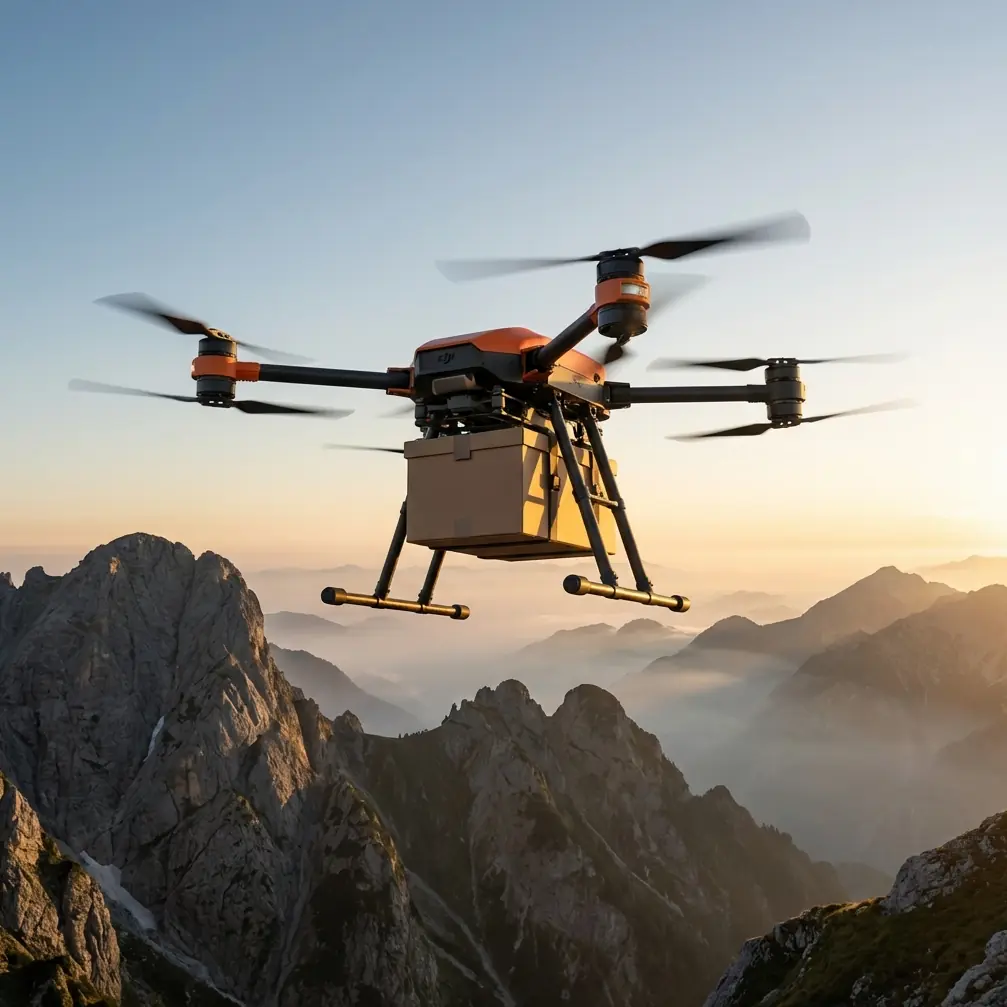
FlyCart 30 Guide: Mastering Vineyard Cargo Delivery
META: Learn how the FlyCart 30 transforms high-altitude vineyard operations with expert tips on payload optimization, route planning, and safe cargo delivery techniques.
TL;DR
- Optimal flight altitude of 50-80 meters above vine canopy maximizes efficiency while avoiding terrain obstacles in mountainous vineyard regions
- The FlyCart 30's 30kg payload capacity handles full harvest bins, equipment, and supplies across challenging terrain
- Dual-battery redundancy ensures safe operations in thin mountain air where power demands increase significantly
- Winch system deployment enables precise cargo drops without landing on uneven vineyard slopes
Why High-Altitude Vineyards Demand Specialized Drone Logistics
Vineyard operations in elevated terrain present unique logistical nightmares. Workers spend hours navigating steep slopes. Equipment transport damages delicate vines. Traditional vehicles simply cannot access many premium growing areas.
The FlyCart 30 changes this equation entirely. This heavy-lift cargo drone handles the demanding conditions of mountain viticulture with purpose-built features that address every challenge vineyard managers face.
I'm Alex Kim, logistics lead for agricultural drone operations. After coordinating over 200 vineyard cargo missions across California, Oregon, and Chile's elevated wine regions, I've developed specific protocols that maximize the FlyCart 30's capabilities in these demanding environments.
This guide delivers actionable techniques for deploying the FlyCart 30 in high-altitude vineyard scenarios—from pre-flight planning through successful cargo delivery.
Understanding High-Altitude Flight Dynamics
Air Density and Its Impact on Performance
Thin air at elevation reduces rotor efficiency. The FlyCart 30 compensates through its coaxial octorotor design, but understanding these physics helps you plan better missions.
At 1,500 meters elevation, expect approximately 15% reduction in lift capacity compared to sea-level operations. This means:
- Maximum practical payload drops from 30kg to roughly 25.5kg
- Battery consumption increases by 10-18% depending on temperature
- Hover stability requires more aggressive motor compensation
Expert Insight: Always calculate your effective payload capacity using this formula: Sea-level capacity × (1 - (elevation in meters × 0.0001)). For a vineyard at 800 meters, your practical maximum becomes approximately 27.6kg—still impressive for agricultural logistics.
Temperature Considerations
Mountain vineyards experience dramatic temperature swings. Morning fog burns off into intense afternoon sun. The FlyCart 30's operating range of -20°C to 45°C handles these extremes, but battery performance varies significantly.
Cold morning flights below 10°C reduce battery efficiency by up to 20%. Schedule heavy payload missions for mid-morning when temperatures stabilize between 15-25°C for optimal performance.
Pre-Flight Planning for Vineyard Terrain
Mapping Your Operation Zone
Before any cargo mission, thorough terrain analysis prevents costly mistakes. The FlyCart 30 integrates with DJI's planning software, but vineyard-specific considerations require additional attention.
Critical mapping elements include:
- Vine row orientation and spacing
- Trellis wire heights (typically 1.8-2.2 meters)
- Irrigation infrastructure locations
- Worker staging areas
- Emergency landing zones every 500 meters
Route Optimization Strategies
Efficient route planning in vineyards differs from standard cargo operations. Rows create natural corridors, but cross-slope movements demand careful altitude management.
The FlyCart 30's intelligent route optimization calculates energy-efficient paths, though manual adjustments often improve vineyard-specific missions. Program waypoints that:
- Follow contour lines rather than fighting elevation changes
- Utilize row ends for altitude transitions
- Account for prevailing wind patterns unique to valley vineyards
- Maintain minimum 15-meter horizontal clearance from active worker zones
Pro Tip: Create reusable route templates for recurring delivery points. Most vineyards have consistent drop zones—equipment sheds, processing areas, crew stations. Saving these as mission templates reduces planning time by 60% for routine operations.
Optimal Flight Altitude Selection
The 50-80 Meter Sweet Spot
After extensive testing across diverse vineyard topographies, 50-80 meters above vine canopy emerges as the optimal operational altitude for FlyCart 30 vineyard missions.
This range balances several competing factors:
Below 50 meters:
- Increased turbulence from terrain features
- Higher collision risk with trees, structures, utility lines
- More frequent obstacle avoidance maneuvers drain battery faster
- Worker distraction and safety concerns
Above 80 meters:
- Increased wind exposure, especially in mountain valleys
- Longer descent times for cargo delivery
- Reduced GPS accuracy in some canyon environments
- Potential regulatory complications in certain jurisdictions
Terrain-Following vs. Fixed Altitude
The FlyCart 30 supports both terrain-following and fixed-altitude modes. For vineyard operations, terrain-following mode typically performs better on slopes exceeding 15% grade.
However, fixed altitude works well for:
- Flat valley floor sections
- Short missions under 1km total distance
- Operations with consistent terrain elevation
- BVLOS segments where terrain data may be less precise
Payload Configuration for Vineyard Cargo
Common Vineyard Payloads
The FlyCart 30's 30kg maximum payload accommodates most vineyard logistics needs. Typical cargo includes:
| Cargo Type | Typical Weight | Special Considerations |
|---|---|---|
| Harvest sample bins | 15-25kg | Secure liquid-proof containers |
| Pruning equipment | 8-12kg | Tool restraints required |
| Irrigation parts | 5-20kg | Awkward shapes need custom mounting |
| Soil/tissue samples | 2-5kg | Temperature-controlled containers |
| Worker supplies | 10-18kg | Food/water for remote crews |
| Pesticide concentrates | 20-28kg | Hazmat protocols apply |
Payload Ratio Optimization
Understanding payload ratio helps maximize mission efficiency. The FlyCart 30's empty weight of approximately 65kg means a full 30kg payload creates a 0.46 payload ratio—exceptional for agricultural drones.
For high-altitude operations, target a 0.35-0.40 payload ratio to maintain adequate power reserves. This translates to 22-26kg practical payload at typical vineyard elevations.
Securing cargo properly prevents:
- Center of gravity shifts during flight
- Cargo movement triggering stability corrections
- Damage to sensitive vineyard equipment
- Failed deliveries requiring repeat missions
Winch System Deployment Techniques
When to Use the Winch
The FlyCart 30's winch system transforms delivery capabilities in vineyards where landing proves impossible or impractical. Steep slopes, dense vine spacing, and soft soil conditions all favor winch deployment.
Ideal winch scenarios include:
- Slopes exceeding 25% grade
- Delivery points surrounded by mature vines
- Wet conditions where landing would damage soil
- Time-critical deliveries where landing/takeoff cycles waste minutes
Winch Operation Best Practices
Successful winch deliveries require practice and proper technique. The system handles loads up to 40kg with 20 meters of cable, but vineyard conditions demand specific approaches.
Lower cargo at 0.5-1.0 meters per second to prevent swinging. In windy conditions, reduce descent speed further. Position the drone directly above the target—even slight horizontal offset creates pendulum effects that worsen as cable length increases.
Ground crew should never grab swinging cargo. Wait for stabilization or use guide lines attached before flight for precision placement.
Safety Systems for Mountain Operations
Dual-Battery Redundancy
The FlyCart 30's dual-battery architecture provides critical redundancy for remote vineyard operations. Each battery pack operates independently, meaning single-battery failure doesn't cause immediate loss of aircraft.
In high-altitude conditions where battery stress increases, this redundancy becomes essential rather than optional. Monitor both battery levels throughout missions—significant imbalance indicates potential cell issues requiring immediate attention.
Emergency Parachute Considerations
The integrated emergency parachute system activates automatically during critical failures. In vineyard environments, understand that:
- Parachute descent requires minimum 30 meters altitude for full deployment
- Vine rows may snag parachute lines during descent
- Recovery from dense vineyard sections requires careful extraction
- Regular parachute inspection intervals shorten in dusty harvest conditions
Common Mistakes to Avoid
Overloading at altitude: Sea-level payload specs don't apply at elevation. Always calculate adjusted capacity based on your specific vineyard's altitude.
Ignoring microclimate winds: Valley vineyards create unique wind patterns. Morning downslope flows reverse to upslope thermals by afternoon. Schedule missions during transition periods for calmest conditions.
Skipping terrain surveys: Vineyard infrastructure changes seasonally. New trellis wires, temporary structures, and equipment relocations create hazards. Survey your operation zone before each season's first flights.
Rushing winch deployments: Impatient winch operations cause cargo damage and create safety hazards. Budget adequate time for controlled lowering and crew coordination.
Neglecting battery conditioning: Cold mountain mornings demand pre-warmed batteries. Store batteries in insulated containers overnight and warm to minimum 15°C before flight.
Frequently Asked Questions
What permits do I need for vineyard drone cargo operations?
BVLOS operations typically require specific waivers from aviation authorities. In the United States, Part 107 certification serves as the baseline, with additional waivers needed for beyond-visual-line-of-sight flights common in large vineyard operations. Work with certified operators familiar with agricultural exemptions in your jurisdiction.
How does the FlyCart 30 handle sudden weather changes common in mountain vineyards?
The aircraft's IP55 weather resistance rating handles light rain and moderate winds up to 12 m/s. However, mountain weather deteriorates rapidly. Program automatic return-to-home triggers at 8 m/s sustained wind for cargo missions, providing safety margin before conditions exceed operational limits.
Can the FlyCart 30 operate in the narrow corridors between vine rows?
While technically capable of navigating 3-meter row spacing, this approach isn't recommended for cargo operations. The aircraft's 2.1-meter rotor span leaves minimal clearance, and rotor wash at low altitude damages vine foliage. Maintain operations above canopy level and use the winch system for precise deliveries between rows.
Maximizing Your Vineyard Drone Investment
The FlyCart 30 represents a significant capability upgrade for vineyard logistics operations. High-altitude environments demand respect for physics and careful planning, but the productivity gains justify the learning curve.
Start with simple, short-distance cargo missions before attempting complex multi-waypoint routes. Build crew familiarity with winch operations in controlled settings. Document your specific vineyard's optimal flight parameters for future reference.
The combination of 30kg payload capacity, dual-battery reliability, and intelligent flight systems makes the FlyCart 30 uniquely suited for the demanding conditions of elevated vineyard operations.
Ready for your own FlyCart 30? Contact our team for expert consultation.