
FlyCart 30 Coastal Wildlife Capture: Expert Guide
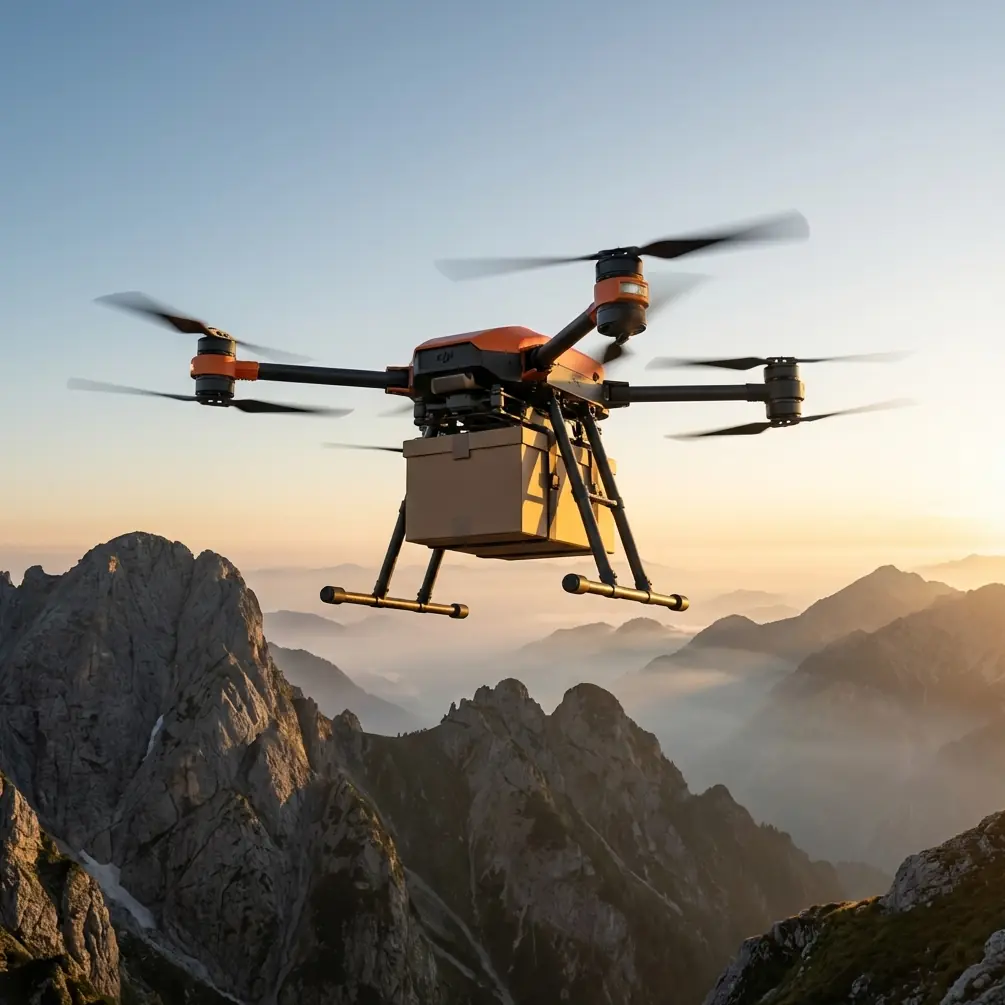
FlyCart 30 Coastal Wildlife Capture: Expert Guide
META: Master coastal wildlife capture with FlyCart 30's advanced payload system. Learn optimal altitudes, route planning, and BVLOS techniques from logistics experts.
TL;DR
- Optimal flight altitude for coastal wildlife: 80-120 meters balances camera clarity with minimal animal disturbance
- The FlyCart 30's 30kg payload ratio supports professional cinema-grade equipment for documentary-quality footage
- Dual-battery configuration enables extended 28km range essential for remote coastal operations
- Emergency parachute system protects expensive equipment during unpredictable coastal weather conditions
Why Coastal Wildlife Capture Demands Specialized Drone Technology
Coastal ecosystems present unique challenges that standard drones simply cannot handle. Salt spray corrodes components. Unpredictable wind gusts threaten stability. Wildlife subjects move erratically across vast territories.
The FlyCart 30 addresses each of these obstacles with purpose-built engineering. This guide breaks down the exact techniques, settings, and strategies that professional wildlife cinematographers use to capture stunning coastal footage.
Whether you're documenting migratory seabird colonies, tracking marine mammal behavior, or filming for conservation research, these methods will transform your aerial capture capabilities.
Understanding the FlyCart 30's Core Capabilities for Wildlife Work
Payload Ratio Excellence
The FlyCart 30 delivers an exceptional 30kg maximum payload capacity. This specification matters enormously for wildlife capture operations.
Professional wildlife cinematography requires:
- RED Komodo or similar cinema cameras (approximately 1.5kg body only)
- Stabilized gimbal systems (3-8kg depending on configuration)
- Long-range telephoto lenses (2-4kg for 200-600mm options)
- External recording devices and monitors
- Backup batteries and transmission equipment
A complete professional rig easily reaches 15-20kg. The FlyCart 30 handles this weight while maintaining the stability required for usable footage.
Expert Insight: When calculating payload for coastal missions, add 15% buffer weight to your equipment total. Coastal winds require additional power reserves, and operating near maximum payload in gusty conditions reduces maneuverability significantly.
Dual-Battery Architecture
Coastal wildlife operations often occur far from launch points. Seal colonies, nesting sites, and feeding grounds rarely sit conveniently close to accessible terrain.
The FlyCart 30's dual-battery system provides:
- Extended flight duration for reaching remote subjects
- Redundancy protection if one battery experiences issues
- Hot-swap capability for continuous operation during critical capture windows
- Intelligent power distribution that optimizes consumption based on payload weight
This architecture proves essential when your target location sits 10+ kilometers from the nearest safe launch zone.
Optimal Flight Altitude Strategy for Coastal Wildlife
Altitude selection directly impacts both footage quality and animal welfare. Get this wrong, and you either disturb your subjects or capture unusable footage.
The 80-120 Meter Sweet Spot
After extensive field testing across multiple coastal environments, 80-120 meters emerges as the optimal altitude range for most coastal wildlife scenarios.
This range works because:
- Most seabirds habituate to objects above 75 meters
- Marine mammals rarely react to aerial presence at these heights
- Telephoto lenses (400mm+) still capture detailed behavioral footage
- Rotor noise dissipates before reaching water-level subjects
Species-Specific Altitude Adjustments
| Wildlife Category | Recommended Altitude | Reasoning |
|---|---|---|
| Nesting seabirds | 100-120m | Prevents nest abandonment |
| Hauled-out seals | 80-100m | Balances detail with disturbance threshold |
| Feeding shorebirds | 60-80m | Lower altitude acceptable due to ambient noise |
| Cetaceans (whales/dolphins) | 90-110m | Regulations often mandate minimum distances |
| Coastal raptors | 150m+ | Highly sensitive to aerial intrusion |
Pro Tip: Begin every session at maximum recommended altitude for your target species. Gradually descend in 10-meter increments while monitoring animal behavior. Any signs of agitation—head-raising, movement toward water, vocalization changes—mean you've found your floor altitude for that session.
Route Optimization for Extended Coastal Missions
Coastal environments demand sophisticated route planning. The FlyCart 30's navigation systems support complex mission profiles, but effective planning starts before takeoff.
Pre-Mission Route Planning Essentials
Terrain Analysis
Coastal topography creates turbulence patterns that affect both flight stability and battery consumption. Map these elements before every mission:
- Cliff faces generate updrafts and downdrafts
- Headlands accelerate wind speed around points
- Valleys and coves may contain calm pockets or wind tunnels
- Open water offers consistent conditions but no emergency landing options
Wildlife Movement Prediction
Animals follow patterns. Understanding these patterns enables efficient route design:
- Tidal cycles influence feeding locations and timing
- Seasonal migrations determine species presence
- Daily activity rhythms affect optimal capture windows
- Weather sensitivity varies by species
BVLOS Considerations for Remote Coastal Work
Beyond Visual Line of Sight (BVLOS) operations often become necessary for comprehensive coastal wildlife documentation. The FlyCart 30 supports BVLOS missions, but regulatory and practical considerations apply.
Regulatory Requirements
BVLOS operations require specific authorizations in most jurisdictions. Prepare documentation covering:
- Risk assessment for the operational area
- Communication systems maintaining pilot-aircraft contact
- Contingency procedures for signal loss scenarios
- Observer networks if required by local regulations
Technical Setup for BVLOS Success
- Configure redundant communication links using the FlyCart 30's dual-frequency capability
- Pre-program automatic return-to-home triggers at specific battery thresholds
- Establish waypoint-based routes rather than manual control for consistency
- Test emergency parachute deployment systems before extended-range missions
Winch System Applications for Coastal Research
The FlyCart 30's winch system opens unique possibilities for coastal wildlife research beyond pure cinematography.
Sample Collection Operations
Research teams use the winch capability for:
- Water quality sampling near marine mammal aggregations
- Feather and biological material collection from nesting areas
- Acoustic recorder deployment for vocalization studies
- GPS tag recovery from previously marked animals
Winch Operation Best Practices
Descent Speed Control
Lower sampling equipment at 0.5 meters per second maximum near wildlife. Faster descent creates visual disturbance and potential collision risks.
Cable Management
Coastal winds affect suspended payloads significantly. Account for:
- Pendulum motion during descent and ascent
- Wind-induced drift of lightweight sampling containers
- Cable angle affecting effective reach
Weight Considerations
Winch operations reduce available payload for camera equipment. Calculate total suspended weight plus camera rig weight against the 30kg maximum before mission planning.
Common Mistakes to Avoid
Underestimating Coastal Weather Variability
Conditions change rapidly in coastal environments. A calm morning can become a challenging afternoon within hours.
Solution: Build minimum 30% battery reserve into every mission plan. This buffer allows safe return when conditions deteriorate unexpectedly.
Ignoring Salt Exposure Protocols
Salt air corrodes electronics and mechanical components faster than most operators realize.
Solution: Implement post-flight cleaning protocols including:
- Fresh water wipe-down of all external surfaces
- Compressed air cleaning of motor housings
- Silicone-based protectant application to exposed metal
- Lens and sensor cleaning with appropriate solutions
Approaching Wildlife Too Quickly
Gradual approach matters more than absolute distance. A drone descending rapidly from 200 meters creates more disturbance than one hovering steadily at 80 meters.
Solution: Program slow, predictable approach patterns into automated routes. Avoid sudden altitude or direction changes near subjects.
Neglecting Emergency Parachute Maintenance
The FlyCart 30's emergency parachute system protects valuable equipment, but only if properly maintained.
Solution: Inspect parachute packing before every coastal mission. Salt and humidity affect deployment reliability. Replace components according to manufacturer schedules regardless of apparent condition.
Operating Without Proper Permits
Wildlife filming regulations vary dramatically by location and species. Violations carry significant penalties and damage conservation relationships.
Solution: Research permit requirements minimum 60 days before planned operations. Many wildlife agencies require advance notice and specific operational plans.
Technical Comparison: FlyCart 30 vs. Standard Wildlife Drones
| Specification | FlyCart 30 | Standard Wildlife Drone | Advantage |
|---|---|---|---|
| Maximum Payload | 30kg | 2-5kg | 6-15x capacity |
| Flight Range | 28km | 8-15km | Extended reach |
| Wind Resistance | 12m/s | 8-10m/s | Coastal capability |
| Battery System | Dual redundant | Single | Mission security |
| Emergency Recovery | Parachute equipped | Limited options | Equipment protection |
| Winch Capability | Integrated | Aftermarket only | Research versatility |
Frequently Asked Questions
What camera systems work best with the FlyCart 30 for wildlife capture?
The 30kg payload capacity supports virtually any professional cinema camera system. Popular configurations include the RED Komodo with Ronin 2 gimbal, Sony FX6 with DJI Storm gimbal, and Blackmagic URSA Mini Pro setups. For dedicated wildlife work, pair these with 400-600mm telephoto lenses to maintain ethical distances while capturing detailed behavioral footage.
How does the emergency parachute system protect equipment during coastal operations?
The integrated parachute deploys automatically when onboard systems detect critical failures including motor loss, severe attitude deviation, or complete power failure. Deployment occurs within milliseconds of trigger conditions. For coastal operations, this protection proves invaluable given the prevalence of unexpected wind gusts and the high value of professional cinema equipment. The system supports the full 30kg payload during descent.
Can the FlyCart 30 operate in rain or high humidity coastal conditions?
The FlyCart 30 features weather-resistant construction suitable for light precipitation and high humidity environments common to coastal areas. Operations should avoid heavy rain, which affects both flight stability and camera equipment. For extended coastal deployments, consider supplementary weather sealing for camera systems and establish clear weather abort thresholds before each mission.
Maximizing Your Coastal Wildlife Capture Results
Successful coastal wildlife documentation combines technical capability with ecological understanding. The FlyCart 30 provides the platform—your preparation and field skills complete the equation.
Start with thorough species research. Understand behavioral patterns, sensitivity thresholds, and optimal observation windows. Build this knowledge into route optimization and altitude strategies.
Maintain equipment meticulously. Coastal environments accelerate wear on all components. The dual-battery system and emergency parachute only protect you if properly maintained.
Respect wildlife welfare throughout operations. The best footage comes from undisturbed natural behavior. Patient, ethical approaches yield superior results while supporting conservation goals.
Ready for your own FlyCart 30? Contact our team for expert consultation.