
FlyCart 30 Guide: Mastering Dusty Construction Deliveries
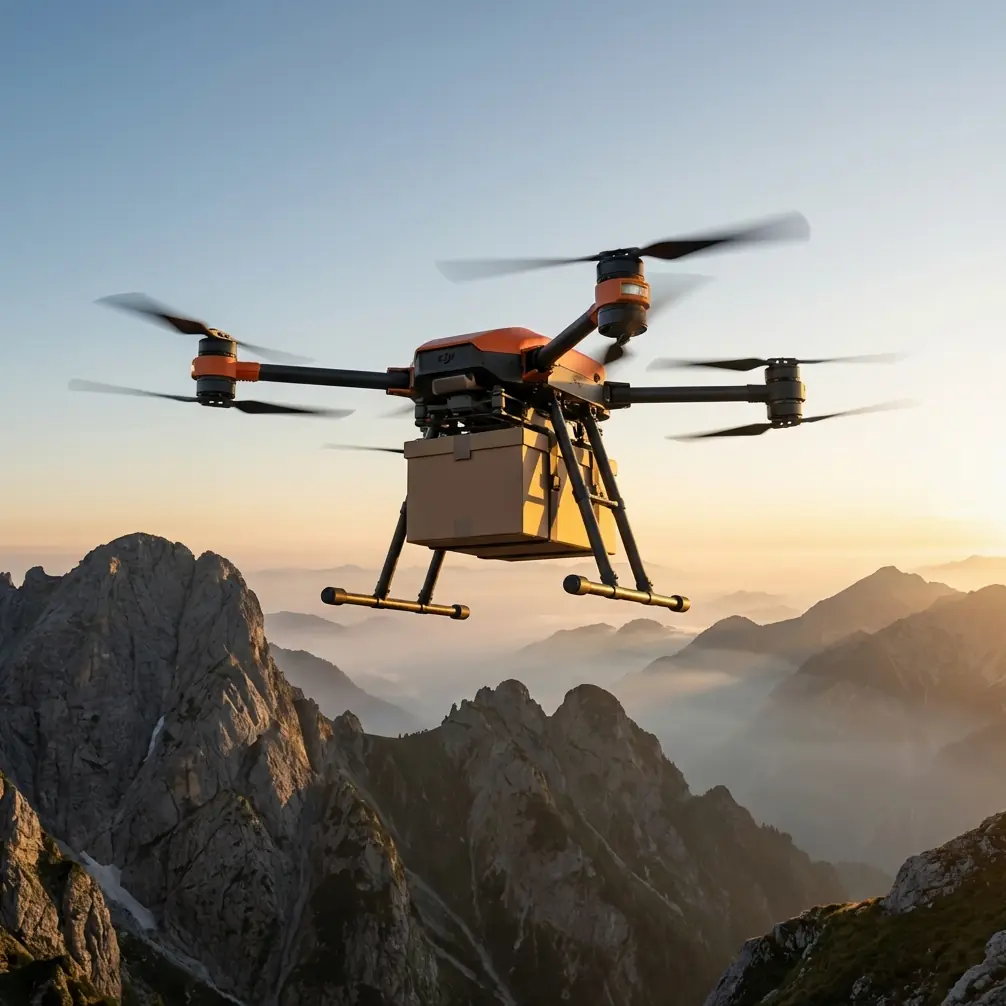
FlyCart 30 Guide: Mastering Dusty Construction Deliveries
META: Learn how the FlyCart 30 handles dusty construction site deliveries with expert pre-flight protocols, route optimization, and safety features that ensure reliable payload transport.
TL;DR
- Pre-flight dust cleaning protocols extend FlyCart 30 lifespan and prevent sensor failures during construction deliveries
- The 30kg payload capacity with 16km range makes multi-site material transport practical in challenging environments
- Dual-battery redundancy and emergency parachute systems provide critical safety margins when flying over active work zones
- Winch system deployment eliminates landing requirements, keeping rotors clear of ground-level dust clouds
Construction site logistics present unique challenges that ground vehicles simply cannot solve. The DJI FlyCart 30 transforms material delivery across dusty, congested work zones—but only when operators understand proper preparation and deployment protocols.
This tutorial walks through every step of successful construction site delivery operations, from essential pre-flight cleaning procedures to advanced route optimization strategies that maximize efficiency while maintaining safety margins.
Understanding the Construction Environment Challenge
Dusty construction sites create hostile operating conditions for any aircraft. Fine particulate matter infiltrates cooling systems, coats optical sensors, and degrades motor performance over time.
The FlyCart 30's IP55 rating provides baseline protection against dust ingress. This rating means the drone resists harmful dust accumulation and low-pressure water jets from any direction.
However, rating specifications assume clean starting conditions. Accumulated dust from previous flights compounds exposure risks exponentially.
Environmental Factors Affecting Operations
Construction dust varies significantly by site type:
- Concrete work produces calcium-rich powder that attracts moisture
- Earthmoving operations generate silica-heavy particles that abrade surfaces
- Demolition sites create mixed debris including potentially conductive materials
- Gravel processing throws larger particles that can damage propeller edges
Each dust type requires specific cleaning approaches and flight planning considerations.
Pre-Flight Cleaning Protocol for Safety Systems
Before any construction site deployment, thorough cleaning ensures all safety systems function correctly. This step often separates successful operations from costly failures.
Expert Insight: I've seen operators skip pre-flight cleaning to save fifteen minutes, then lose entire flight days to sensor errors. The math never works in favor of shortcuts. Build cleaning into your standard workflow—it's non-negotiable for dusty environments.
Critical Cleaning Sequence
Step 1: Visual Inspection
Examine all external surfaces under bright light. Pay particular attention to:
- Propeller blade leading edges for particle accumulation
- Motor ventilation openings for debris blockage
- Camera and sensor lenses for dust coating
- Battery contact points for contamination
Step 2: Compressed Air Cleaning
Use filtered, dry compressed air at 30 PSI maximum to clear:
- Cooling intake vents on motor housings
- Gaps around gimbal mechanisms
- Sensor recesses and protective housings
- Battery compartment sealing surfaces
Step 3: Optical Surface Treatment
Clean all optical surfaces using microfiber cloths and appropriate lens cleaning solution:
- Forward and downward vision sensors
- RTK antenna housing
- Status indicator lights
- Any exposed camera elements
Step 4: Mechanical Component Check
Verify free movement of:
- Propeller folding mechanisms
- Landing gear deployment
- Winch cable routing
- Payload hook operation
Safety System Verification
After cleaning, verify all safety systems respond correctly:
| Safety System | Verification Method | Expected Response |
|---|---|---|
| Emergency Parachute | System status check | Green indicator, armed status |
| Dual-Battery | Individual cell voltage | All cells within 0.1V variance |
| Obstacle Avoidance | Sensor diagnostic | All 8 directions reporting |
| RTK Positioning | Fix quality check | Fixed solution, <2cm accuracy |
| Winch System | Manual deployment test | Smooth operation, 40kg capacity confirmed |
Pro Tip: Create a laminated checklist specific to dusty environment operations. Mount it on your transport case. Checklists prevent the "I'll remember" failures that happen when you're rushing between delivery runs.
Route Optimization for Construction Sites
Effective route planning in construction environments requires balancing multiple competing factors. The FlyCart 30's 16km operational range provides flexibility, but dusty conditions demand conservative planning.
Altitude Strategy
Flying higher reduces dust exposure but increases wind effects on the 30kg payload capacity. Consider these altitude guidelines:
- Minimum 30m AGL over active earthmoving equipment
- 50m+ AGL when crossing haul roads with truck traffic
- Lower altitudes acceptable over completed structures with sealed surfaces
Wind and Dust Interaction
Dust plumes rise predictably based on wind conditions:
- Light winds (<5 m/s): Dust rises vertically, avoid directly overhead flight
- Moderate winds (5-10 m/s): Dust carries downwind, plan approach from upwind side
- Strong winds (>10 m/s): Consider postponing operations; dust spreads unpredictably
The FlyCart 30 handles winds up to 12 m/s in standard configuration, but payload weight affects this threshold. A full 30kg load reduces wind tolerance margins significantly.
BVLOS Considerations
Beyond Visual Line of Sight operations require additional planning for construction deliveries:
- Establish multiple visual observers at key waypoints
- Confirm radio communication coverage across entire route
- Pre-coordinate with site supervisors about equipment movement schedules
- File appropriate airspace notifications for extended operations
Winch System Deployment Techniques
The winch system transforms construction site deliveries by eliminating ground-level operations where dust concentrations peak.
Optimal Hover Height
Position the FlyCart 30 at 15-20m above the delivery point. This height:
- Keeps rotors above most dust disturbance
- Provides adequate cable length for ground delivery
- Maintains stable hover in ground-effect transition zone
- Allows visual confirmation of delivery completion
Cable Management
The 20m winch cable requires careful management:
- Verify cable routing before each deployment
- Check for fraying or contamination on cable surface
- Confirm hook mechanism operates smoothly
- Test emergency release function during pre-flight
Delivery Zone Preparation
Coordinate with ground crews to prepare receiving areas:
- Clear 5m radius around delivery point
- Position receiving personnel outside rotor downwash zone
- Establish hand signals for communication during descent
- Prepare tie-down points for payload stabilization
Dual-Battery Management in Dusty Conditions
The FlyCart 30's dual-battery system provides redundancy and extended range. Dusty environments require modified battery management protocols.
Pre-Flight Battery Preparation
- Clean all contact surfaces with isopropyl alcohol
- Verify no dust accumulation in battery compartment
- Check seal integrity around battery housing
- Confirm both batteries show matched charge levels
In-Flight Monitoring
During dusty environment operations, monitor battery performance more frequently:
- Check temperature differential between batteries every 5 minutes
- Watch for unusual voltage drop patterns indicating contamination
- Note any warning indicators immediately
- Plan conservative return margins of 25% remaining versus standard 20%
Post-Flight Battery Care
After construction site operations:
- Remove batteries immediately upon landing
- Clean contact points before storage
- Store in sealed containers away from dust exposure
- Allow full cooling before recharging
Payload Ratio Optimization
Maximizing the 30kg payload capacity requires understanding how weight affects performance in challenging conditions.
Weight Distribution Guidelines
| Payload Weight | Range Impact | Wind Tolerance | Recommended Conditions |
|---|---|---|---|
| 10kg | Full 16km range | Up to 12 m/s | Any suitable weather |
| 20kg | Approximately 12km | Up to 10 m/s | Light dust conditions |
| 30kg | Approximately 8km | Up to 8 m/s | Minimal dust, calm winds |
Material Packaging for Dust Protection
Construction materials often require protection during aerial transport:
- Seal fasteners and small parts in waterproof bags
- Wrap moisture-sensitive materials in plastic sheeting
- Secure loose items to prevent shifting during flight
- Use padded containers for fragile components
Common Mistakes to Avoid
Skipping Pre-Flight Cleaning Dust accumulation is cumulative. Each flight without cleaning compounds contamination risks. Sensor failures during flight create dangerous situations over active construction zones.
Overloading in Marginal Conditions The 30kg capacity assumes optimal conditions. Dusty air reduces lift efficiency. High temperatures common on construction sites further degrade performance. Reduce payload by 10-15% when multiple adverse factors combine.
Ignoring Wind Patterns Construction sites create complex wind environments. Buildings, equipment, and terrain features generate turbulence. Scout flight paths during similar conditions before committing to loaded operations.
Inadequate Ground Crew Coordination Winch deliveries require synchronized ground operations. Establish clear communication protocols before flight. Confirm receiving personnel understand safety zones and hand signals.
Neglecting Emergency Parachute Maintenance The emergency parachute system requires periodic inspection and repacking. Dusty environments accelerate maintenance intervals. Follow manufacturer guidelines strictly—this system exists for worst-case scenarios.
Frequently Asked Questions
How often should I clean the FlyCart 30 when operating at dusty construction sites?
Clean the drone thoroughly before every flight day and perform quick inspections between flights. If visible dust accumulation appears on sensors or motor housings during operations, land and clean before continuing. For extended operations spanning multiple days at the same site, consider end-of-day deep cleaning in addition to pre-flight protocols.
Can the FlyCart 30 operate during active earthmoving or demolition work?
Yes, but with careful planning. Maintain minimum 50m horizontal distance from active heavy equipment and fly at altitudes above dust plume heights. Coordinate with site supervisors to understand equipment schedules and plan delivery windows during lower-activity periods when possible. The emergency parachute system provides additional safety margin over active work zones.
What payload types work best for construction site drone delivery?
High-value, time-sensitive items maximize drone delivery benefits. Examples include specialized fasteners, safety equipment, small tools, documentation, and medical supplies for on-site first aid stations. Avoid extremely fragile items unless properly packaged, and never transport hazardous materials without appropriate certifications and containment systems.
Mastering FlyCart 30 operations in dusty construction environments requires disciplined preparation, conservative planning, and consistent maintenance protocols. The capabilities are remarkable—30kg payloads across 16km ranges with redundant safety systems—but realizing that potential demands respect for environmental challenges.
Ready for your own FlyCart 30? Contact our team for expert consultation.