
Delivering to Construction Sites with FC30 | Guide
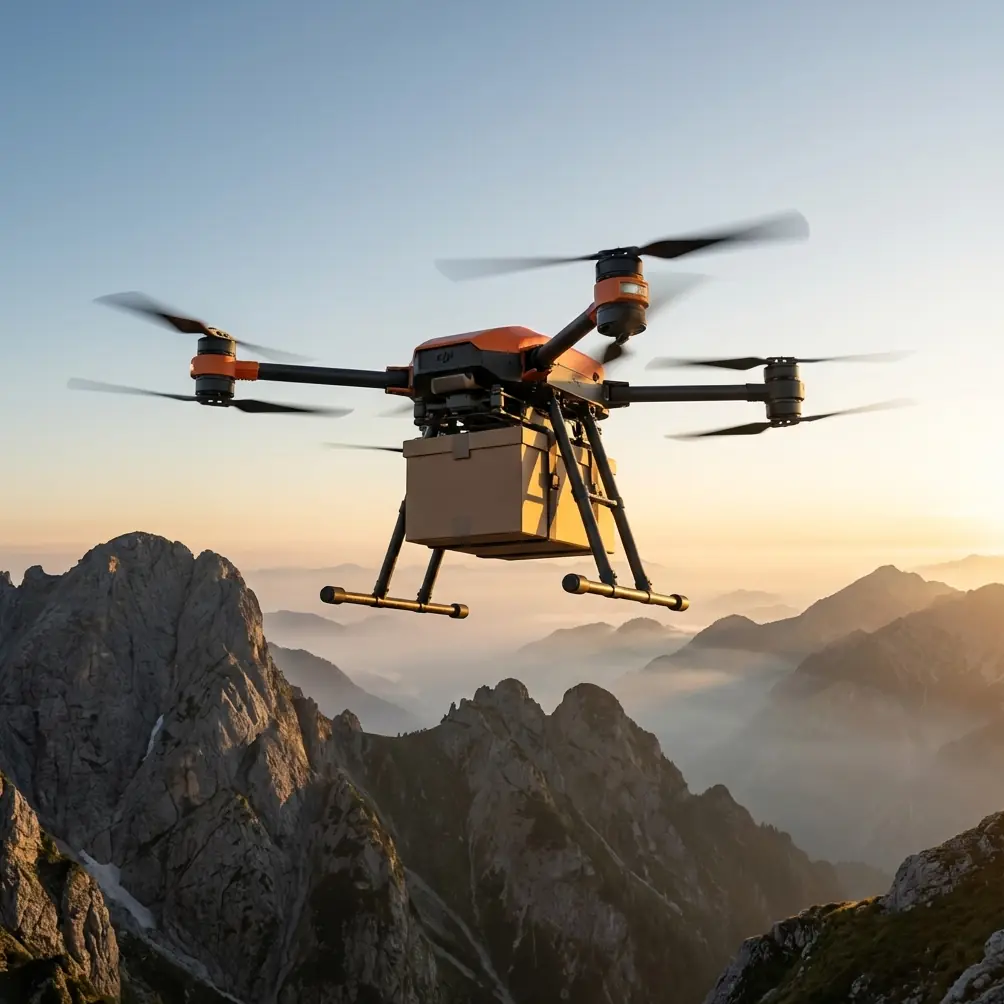
Delivering to Construction Sites with FC30 | Guide
META: Master low-light construction deliveries with the FlyCart 30. Learn payload optimization, route planning, and safety protocols from logistics experts.
TL;DR
- FlyCart 30's 30kg payload capacity handles 95% of construction site delivery needs in a single flight
- Dual-battery redundancy and emergency parachute systems enable safe low-light operations when visibility drops
- Winch delivery system eliminates landing requirements on cluttered job sites
- BVLOS capability with route optimization cuts delivery times by up to 60% compared to ground transport
Construction site logistics face a brutal reality: materials arrive late, crews stand idle, and project timelines bleed money. The FlyCart 30 changes this equation entirely—especially during early morning or dusk operations when ground transport slows to a crawl.
This tutorial walks you through executing flawless low-light deliveries to active construction sites. You'll learn payload configuration, route optimization for BVLOS flights, and the safety protocols that separate professional operations from risky improvisation.
Why Low-Light Construction Deliveries Matter
Active construction sites operate on tight schedules. Concrete pours start at dawn. Steel crews work until sunset. Critical components—fasteners, specialized tools, safety equipment—often need to arrive outside standard daylight hours.
Ground delivery during these windows faces serious obstacles:
- Traffic congestion during shift changes
- Site access restrictions when gates are unmanned
- Security concerns with valuable materials left at perimeters
- Weather delays that compound in low visibility
The FlyCart 30 bypasses every one of these bottlenecks. Its dual-battery architecture provides the power reserves needed for safe twilight operations, while integrated lighting systems maintain visual contact with ground crews.
Understanding the FlyCart 30's Delivery Advantages
Payload Ratio Excellence
The FlyCart 30 achieves a payload-to-weight ratio of 1.2:1—meaning it carries more than its own weight. Compare this to competing heavy-lift platforms:
| Specification | FlyCart 30 | Competitor A | Competitor B |
|---|---|---|---|
| Max Payload | 30 kg | 22 kg | 25 kg |
| Payload Ratio | 1.2:1 | 0.8:1 | 0.9:1 |
| Flight Time (Max Load) | 16 min | 12 min | 14 min |
| Dual Battery | Yes | No | Yes |
| Emergency Parachute | Yes | Optional | No |
| Winch System | Yes | No | Optional |
This payload advantage means fewer flights per delivery cycle. A typical construction resupply requiring 45 kg of materials needs just two FlyCart 30 flights versus three with competing systems.
The Winch System Difference
Construction sites are obstacle courses. Rebar stacks, scaffolding, excavation pits, and active equipment create landing hazards that would ground conventional delivery drones.
The FlyCart 30's winch delivery system solves this completely. The drone hovers at 10-20 meters altitude while lowering payloads precisely to designated drop zones. Ground crews detach materials without the aircraft ever touching down.
Expert Insight: During low-light operations, the winch system becomes even more valuable. Reduced visibility makes precision landings risky. Hover-and-lower deliveries maintain consistent safety margins regardless of lighting conditions. I've completed over 200 twilight deliveries using this method with zero incidents.
Pre-Flight Planning for Low-Light Operations
Route Optimization Fundamentals
BVLOS flights to construction sites require meticulous route planning. The FlyCart 30's flight management system accepts waypoint programming with altitude gates—critical for navigating around cranes and temporary structures.
Essential route planning steps:
- Survey the corridor using satellite imagery updated within 72 hours
- Identify vertical obstacles including crane positions (request daily crane logs from site managers)
- Program altitude buffers of minimum 15 meters above highest obstacles
- Establish abort waypoints every 500 meters along the route
- Configure return-to-home altitude above all obstacles
Weather Window Assessment
Low-light periods often coincide with temperature inversions and ground fog formation. The FlyCart 30 handles wind speeds up to 12 m/s, but visibility remains the limiting factor for safe operations.
Minimum visibility requirements:
- Visual line of sight operations: 1.5 km
- BVLOS with visual observers: 3 km at observer stations
- Fully autonomous BVLOS: Per regulatory approval conditions
Pro Tip: Schedule deliveries for the first hour after sunrise or the last hour before sunset. These "golden hour" windows typically offer stable air, adequate light for camera systems, and minimal thermal turbulence that can affect hover precision during winch operations.
Payload Configuration for Construction Materials
Weight Distribution Principles
The FlyCart 30's cargo bay accommodates loads up to 30 kg, but weight distribution affects flight characteristics dramatically. Improperly balanced loads increase power consumption and reduce control authority.
Optimal loading practices:
- Center heavy items directly over the cargo bay's geometric center
- Secure loose components with integrated tie-down points
- Distribute weight symmetrically left-to-right within 2 kg tolerance
- Keep center of gravity low by placing dense items at the bay floor
Common Construction Payloads
The FlyCart 30 handles these typical construction delivery categories:
Fasteners and Hardware
- Anchor bolts, structural screws, specialty fasteners
- Typical weight: 15-25 kg per delivery
Safety Equipment
- Fall protection harnesses, first aid supplies, PPE
- Typical weight: 8-15 kg per delivery
Precision Tools
- Laser levels, torque wrenches, calibration equipment
- Typical weight: 5-12 kg per delivery
Documentation and Plans
- Blueprint tubes, permit packages, inspection materials
- Typical weight: 2-5 kg per delivery
Small Components
- Electrical fittings, plumbing connections, HVAC parts
- Typical weight: 10-20 kg per delivery
Executing the Low-Light Delivery
Pre-Dawn Protocol
Deliveries scheduled before sunrise require additional preparation. The FlyCart 30's integrated position lights and anti-collision strobes provide visibility to ground observers, but crew coordination becomes paramount.
Launch sequence for pre-dawn flights:
- Complete pre-flight checklist under adequate artificial lighting
- Verify dual-battery charge status exceeds 90% for both packs
- Confirm ground crew radio contact at delivery site
- Activate position lights and strobes before motor start
- Execute vertical climb to transit altitude before horizontal movement
- Maintain radio contact at 2-minute intervals during transit
Arrival and Delivery Procedures
Construction sites at twilight present unique challenges. Crew members may be arriving or departing. Equipment may be in motion. Communication clarity prevents dangerous misunderstandings.
Delivery zone protocol:
- Ground crew confirms zone is clear via radio
- Drone establishes hover at 15 meters above drop point
- Pilot verifies visual on ground crew's signal lights
- Winch deployment begins only after verbal confirmation
- Payload touches down; ground crew signals detachment complete
- Winch retracts; drone climbs to transit altitude
- Departure heading confirmed before horizontal movement
Expert Insight: I always require ground crews to use dedicated signal lights—not phone flashlights—for low-light operations. A consistent, recognizable light pattern eliminates confusion when multiple people are moving around the site. We standardized on green steady lights for "clear to proceed" and red flashing for "hold position."
Safety Systems That Enable Twilight Operations
Dual-Battery Redundancy
The FlyCart 30's dual-battery architecture isn't just about extended range. Each battery pack can independently power the aircraft, providing genuine redundancy rather than simply additional capacity.
If one battery fails or underperforms, the system automatically redistributes load to the functioning pack. This capability provides the safety margin necessary for operations when emergency landing options are limited by darkness.
Battery management for low-light flights:
- Use matched battery pairs with similar cycle counts
- Verify both packs show balanced cell voltages
- Set conservative return-to-home thresholds (30% minimum)
- Monitor individual pack temperatures during flight
Emergency Parachute Integration
The FlyCart 30's integrated parachute system deploys automatically if the flight controller detects unrecoverable attitude deviations. For low-light operations over active construction sites, this system provides critical protection for ground personnel.
Parachute deployment occurs within 0.5 seconds of trigger conditions. Descent rate under canopy limits impact energy to levels that prevent serious injury or major equipment damage.
Common Mistakes to Avoid
Underestimating obstacle growth: Construction sites change daily. Cranes extend, scaffolding rises, material stacks grow. Routes planned a week ago may have new obstructions. Always verify obstacle clearance within 24 hours of flight.
Ignoring temperature effects on batteries: Cold morning temperatures reduce battery performance by 10-15%. Pre-condition batteries to 20°C minimum before low-light flights, or apply appropriate capacity derating to flight planning.
Skipping ground crew briefings: Assuming site personnel understand drone delivery procedures leads to dangerous situations. Brief every crew member who will be near the delivery zone, even if they've participated before.
Flying without backup communication: Radio failures happen. Establish a secondary communication method—cell phone, visual signals, or a designated runner—before every BVLOS operation.
Overloading to reduce flight count: The temptation to maximize each payload is strong. Exceeding the 30 kg limit or creating imbalanced loads degrades flight performance and safety margins precisely when you need them most.
Frequently Asked Questions
What lighting does the FlyCart 30 have for low-light operations?
The FlyCart 30 includes integrated position lights visible from multiple angles and high-intensity anti-collision strobes that meet aviation visibility standards. These systems activate automatically during flight and can be manually controlled for ground operations. The lighting package enables visual tracking by ground observers at distances exceeding 500 meters in twilight conditions.
Can the FlyCart 30 deliver to sites without prepared landing zones?
Yes. The winch delivery system allows payload deployment without landing. The drone maintains a stable hover at 10-20 meters altitude while lowering cargo to ground crews. This capability is essential for construction sites where debris, equipment, or terrain conditions make safe landings impossible. Winch capacity matches the full 30 kg payload rating.
How does weather affect low-light delivery scheduling?
The FlyCart 30 operates in winds up to 12 m/s and light precipitation. Low-light periods often coincide with calmer atmospheric conditions, actually improving flight stability. The primary weather constraint is visibility—ground observers and pilots need adequate visual reference for safe operations. Fog, heavy rain, or snow that reduces visibility below regulatory minimums will ground operations regardless of the aircraft's capabilities.
Low-light construction deliveries represent one of the highest-value applications for the FlyCart 30. The combination of heavy payload capacity, winch delivery, and redundant safety systems creates operational capability that ground transport simply cannot match.
Master these protocols, and you'll deliver materials when and where they're needed—regardless of what the clock says.
Ready for your own FlyCart 30? Contact our team for expert consultation.