
FlyCart 30: Mastering Dusty Power Line Deliveries
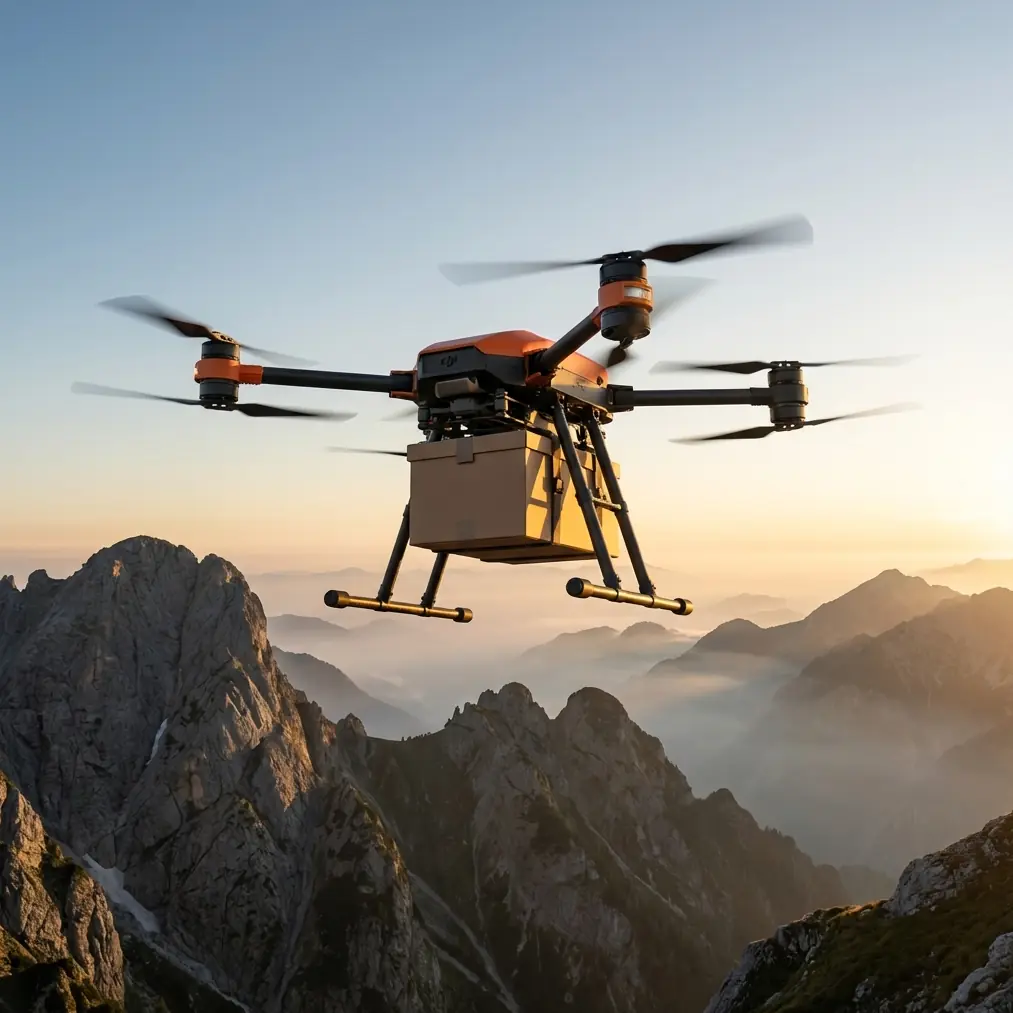
FlyCart 30: Mastering Dusty Power Line Deliveries
META: Learn how the FlyCart 30 drone conquers dusty conditions for power line deliveries. Expert tips on pre-flight cleaning, route optimization, and safety protocols.
TL;DR
- Pre-flight cleaning protocols are essential for FlyCart 30 operations in dusty environments—neglecting them risks sensor failure and compromised safety systems
- The dual-battery system and emergency parachute provide critical redundancy when delivering power line equipment to remote, harsh locations
- BVLOS route optimization combined with the 40 kg payload capacity makes the FlyCart 30 ideal for heavy infrastructure deliveries
- Proper winch system maintenance in dusty conditions extends equipment life and ensures precise cargo placement
Why Dust Is Your Biggest Enemy in Power Line Deliveries
Dust destroys drones. That's not hyperbole—it's operational reality.
When you're delivering power line components to remote transmission corridors, fine particulates infiltrate every exposed system. Cooling vents clog. Optical sensors blur. Propulsion efficiency drops. The FlyCart 30 handles harsh environments better than most platforms, but only when operators implement rigorous pre-flight protocols.
This guide walks you through the exact cleaning procedures, flight planning strategies, and safety checks that keep FlyCart 30 missions successful in dusty conditions. Whether you're supporting grid maintenance crews or delivering emergency repair equipment, these methods will protect your investment and ensure mission completion.
Understanding the FlyCart 30's Dust-Critical Systems
Before diving into cleaning protocols, you need to know which systems demand the most attention in dusty environments.
Propulsion System Vulnerabilities
The FlyCart 30's eight-rotor configuration generates significant airflow. During takeoff and landing, this creates dust vortices that pull particulates directly into motor housings.
Key areas requiring inspection:
- Motor bearings – dust accumulation causes friction and overheating
- ESC cooling fins – blocked airflow leads to thermal throttling
- Propeller root connections – grit compromises secure attachment
- Arm pivot points – particulates cause binding during folding operations
Sensor Array Considerations
The drone's navigation and obstacle avoidance systems rely on clean optical surfaces. In dusty power line corridors, these sensors face constant contamination:
- Forward/downward vision sensors – essential for terrain following
- RTK antenna surfaces – dust buildup degrades positioning accuracy
- Infrared sensors – particulates scatter thermal readings
- Barometric ports – blockage affects altitude hold precision
Expert Insight: After every dusty mission, I inspect the barometric pressure ports with a 10x loupe. A single grain of sand lodged in these tiny openings can cause altitude drift of 3-5 meters—dangerous when operating near power infrastructure.
Pre-Flight Cleaning Protocol for Dusty Environments
This step-by-step procedure takes 15-20 minutes but prevents catastrophic failures. Never skip it.
Step 1: Initial Visual Inspection
Before touching any cleaning tools, conduct a complete walkaround:
- Check all eight motor housings for visible dust accumulation
- Inspect propeller surfaces for debris adhesion
- Examine sensor lenses for contamination or scratches
- Verify battery compartment seals show no dust intrusion
- Confirm winch system cable moves freely without grit resistance
Step 2: Compressed Air Cleaning
Use filtered, moisture-free compressed air at no more than 30 PSI:
- Start with motor housings—blow outward from center
- Clear all cooling vents on the main body
- Address sensor recesses with short, controlled bursts
- Clean the emergency parachute deployment mechanism housing
- Remove debris from landing gear joints
Step 3: Optical Surface Treatment
Sensor lenses require delicate handling:
- Use a rocket blower first to remove loose particles
- Apply lens-specific cleaning solution to microfiber cloth
- Wipe in single directional strokes—never circular motions
- Inspect under bright light for remaining smudges
- Repeat if any contamination remains visible
Step 4: Mechanical System Verification
The winch system demands special attention for power line deliveries:
- Extend cable fully and inspect for dust-embedded abrasions
- Check hook mechanism for grit in pivot points
- Verify cable tension sensor responds accurately
- Test emergency release function three times minimum
Pro Tip: I keep a dedicated soft-bristle toothbrush in my field kit specifically for cleaning the winch mechanism's small crevices. It reaches areas compressed air misses and won't scratch sensitive components.
Route Optimization for Dusty Corridor Operations
Proper flight planning minimizes dust exposure while maximizing delivery efficiency.
BVLOS Considerations
Beyond Visual Line of Sight operations in dusty environments require enhanced planning:
| Planning Factor | Standard Conditions | Dusty Conditions |
|---|---|---|
| Waypoint altitude | 50-80 m AGL | 80-120 m AGL |
| Approach speed | 12 m/s | 8 m/s |
| Hover duration | As needed | Minimize to <30 sec |
| Landing zone prep | Basic clearing | Ground dampening required |
| Sensor check frequency | Every 3 flights | Every flight |
Altitude Strategy
Flying higher reduces dust ingestion but affects delivery precision. Balance these factors:
- Transit phases: Maintain 100+ meters to stay above dust layers
- Approach phases: Descend gradually over 500+ meter distance
- Delivery phases: Use winch system to avoid low hover
The FlyCart 30's winch system with 20-meter cable allows cargo placement without bringing the aircraft into ground-effect dust zones. This single feature dramatically extends operational life in harsh environments.
Wind Pattern Analysis
Dust behavior follows predictable patterns:
- Morning operations (before 10 AM) typically see settled conditions
- Afternoon thermals lift dust to operational altitudes
- Crosswind approaches prevent flying through your own dust wake
- Downwind departures clear the aircraft from disturbed areas quickly
Leveraging the Dual-Battery System in Harsh Conditions
The FlyCart 30's dual-battery architecture provides more than extended range—it's a critical safety system for remote power line operations.
Redundancy Benefits
Each battery pack operates independently, meaning:
- Single battery failure doesn't cause immediate loss of aircraft
- Degraded performance from dust-related issues affects only one system
- Emergency return capability remains even with 50% power loss
Dust Impact on Battery Performance
Contamination affects batteries in subtle ways:
- Cooling vent blockage causes thermal throttling
- Contact point corrosion from dust-moisture combination
- Seal degradation allows internal contamination
- Weight increase from accumulated debris
Clean battery compartments and contacts before every flight. Use electrical contact cleaner on terminals weekly during dusty operations.
Emergency Parachute System Maintenance
The emergency parachute is your last line of defense. In dusty conditions, this system requires heightened attention.
Deployment Mechanism Inspection
The parachute housing must remain contamination-free:
- Check deployment door seals for dust intrusion
- Verify trigger mechanism moves freely
- Inspect parachute fabric for embedded grit during repacks
- Test electronic activation through controller interface
Environmental Considerations
Dust affects parachute performance:
- Canopy contamination reduces drag coefficient
- Line tangles become more likely with grit presence
- Deployment speed may slow with mechanism friction
Schedule professional parachute inspection every 50 flight hours in dusty environments versus the standard 100-hour interval.
Payload Ratio Optimization for Power Line Equipment
The FlyCart 30's 40 kg maximum payload and impressive payload ratio make it ideal for heavy infrastructure components. Dusty conditions require adjusted calculations.
Weight Budget Adjustments
Account for these factors in dusty operations:
| Component | Standard Weight | Dusty Condition Allowance |
|---|---|---|
| Dust accumulation | 0 kg | 0.3-0.5 kg |
| Extra battery reserve | 0% | 10-15% |
| Cleaning equipment | 0 kg | 1.5 kg |
| Protective cargo covers | 0 kg | 0.5-1 kg |
This means practical payload capacity drops to approximately 35-37 kg for extended dusty operations.
Cargo Protection Strategies
Power line components require protection during delivery:
- Use sealed containers for sensitive electronics
- Apply dust covers to exposed connection points
- Secure protective caps on insulators
- Wrap conductor segments in breathable fabric
Common Mistakes to Avoid
Mistake 1: Cleaning Motors While Running
Never use compressed air on spinning motors. This forces debris deeper into bearings and can cause immediate damage. Always clean with systems completely powered down.
Mistake 2: Ignoring Barometric Ports
These tiny openings are easy to overlook but critical for altitude accuracy. A blocked port near power lines means potential collision with infrastructure.
Mistake 3: Skipping Post-Flight Cleaning
Dust left on the aircraft overnight attracts moisture. This creates abrasive paste that accelerates wear. Clean immediately after every dusty mission.
Mistake 4: Using Household Cleaning Products
Ammonia-based cleaners damage sensor coatings. Alcohol solutions can degrade rubber seals. Use only manufacturer-approved or aviation-specific cleaning products.
Mistake 5: Overlooking Winch Cable Inspection
A dust-abraded cable can fail during delivery, dropping expensive power line equipment. Inspect the full cable length before every mission.
Frequently Asked Questions
How often should I replace air filters on the FlyCart 30 in dusty conditions?
The FlyCart 30's motor and electronics cooling systems don't use traditional replaceable filters. Instead, focus on cleaning cooling vents after every flight and conducting thorough compressed air cleaning of all housings weekly. If you notice thermal warnings or reduced performance, schedule immediate professional inspection of internal components.
Can the FlyCart 30 operate in active dust storms?
No. Operations should cease when visibility drops below 3 km or wind speeds exceed 12 m/s with visible dust. The aircraft can handle light dusty conditions, but active storms overwhelm protective measures and create unacceptable risk to equipment and mission success.
What's the best time of day for dusty environment operations?
Early morning operations between sunrise and 10 AM typically offer the best conditions. Overnight settling reduces airborne particulates, and morning thermals haven't yet lifted dust to operational altitudes. If morning isn't possible, late afternoon after 5 PM often provides a secondary window as thermal activity decreases.
Maintaining Long-Term Reliability
Consistent maintenance extends FlyCart 30 service life dramatically in dusty environments. Track these metrics:
- Flight hours between deep cleanings: Target 10 hours maximum
- Motor temperature trends: Rising baselines indicate dust accumulation
- Battery cycle efficiency: Declining capacity suggests thermal issues
- Sensor calibration drift: Increasing frequency indicates contamination
Document every cleaning session and inspection finding. This data helps predict maintenance needs and prevents unexpected failures during critical power line delivery missions.
The FlyCart 30 represents significant capability for infrastructure logistics. Protecting that investment through proper dusty-environment protocols ensures reliable operations for years of demanding service.
Ready for your own FlyCart 30? Contact our team for expert consultation.