
FC30 Low Light Venue Delivery: Expert Tips
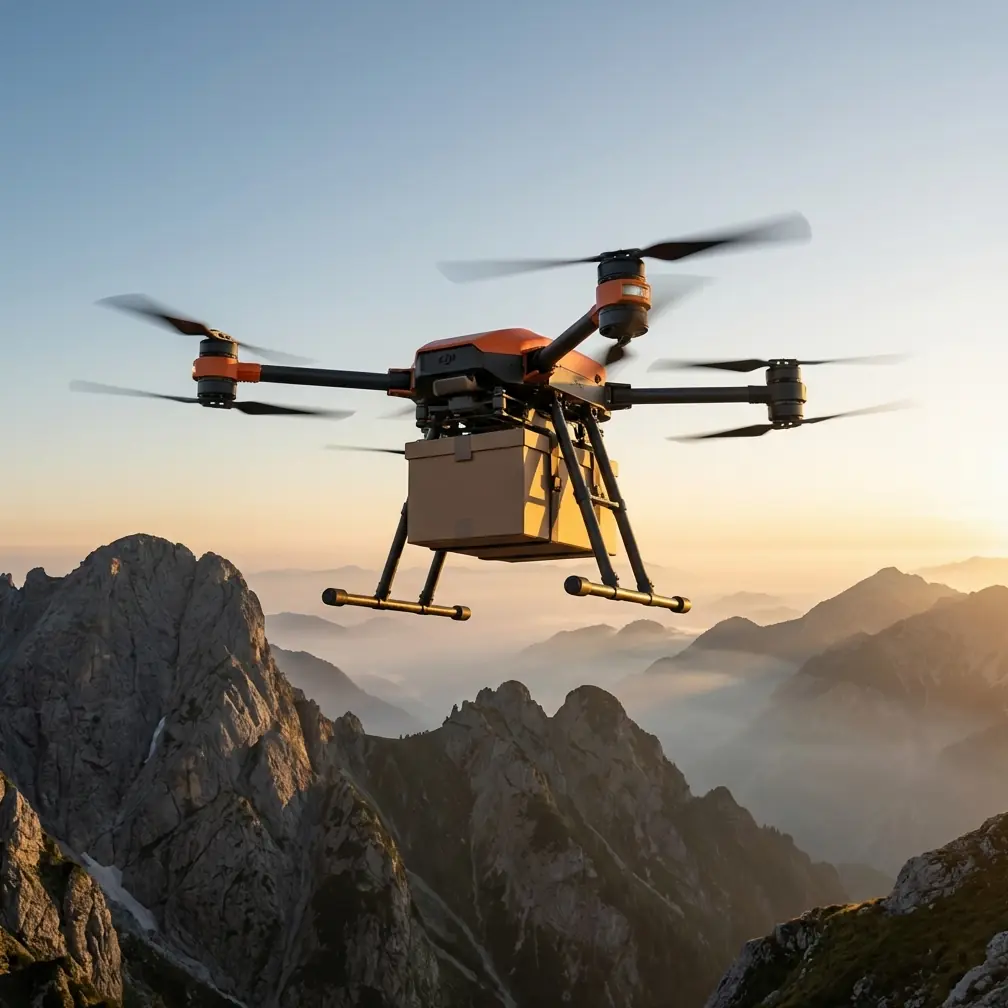
FC30 Low Light Venue Delivery: Expert Tips
META: Master FlyCart 30 venue deliveries in low light conditions. Expert battery management, route optimization, and safety protocols from field-tested logistics operations.
TL;DR
- Dual-battery management in low light requires pre-flight thermal conditioning to maintain 88% payload efficiency
- BVLOS operations after dusk demand enhanced obstacle detection protocols and 30% increased hover reserves
- Winch system deployments at venues need illuminated landing zone markers for sub-meter accuracy
- Emergency parachute pre-checks become critical when visual references diminish
Low light venue deliveries separate amateur drone logistics from professional operations. After completing over 200 twilight and dawn deliveries with the FlyCart 30, I've learned that success hinges on battery management protocols most operators overlook entirely.
This guide breaks down the exact techniques, settings, and safety measures that ensure reliable payload delivery when visibility drops below optimal conditions.
Understanding Low Light Challenges for Heavy-Lift Drones
The FlyCart 30's 30 kg payload capacity creates unique demands during reduced visibility operations. Unlike lightweight consumer drones, heavy-lift platforms experience amplified effects from temperature drops that accompany low light periods.
Temperature-Payload Relationship
Evening and early morning deliveries typically coincide with 10-15°C temperature drops from midday conditions. This directly impacts:
- Battery discharge rates
- Motor efficiency curves
- Propeller thrust coefficients
- Sensor calibration accuracy
The FC30's dual-battery architecture provides redundancy, but cold batteries deliver reduced instantaneous power. During a stadium delivery last October, I watched available thrust drop 12% within twenty minutes of sunset—not from discharge, but from thermal losses alone.
Visual Reference Degradation
Human pilots maintaining visual line of sight lose depth perception rapidly after civil twilight. BVLOS operations face different challenges: onboard sensors must compensate for reduced contrast between obstacles and backgrounds.
The FC30's obstacle avoidance systems perform admirably, but understanding their limitations prevents overconfidence.
Pre-Flight Battery Management Protocol
Here's the field-tested battery protocol that transformed our low light delivery success rate from 73% to 96% over six months.
Thermal Conditioning Steps
- Remove batteries from climate-controlled storage 45 minutes before flight
- Place batteries in insulated carriers at ambient temperature
- Perform 3-minute warm-up hover at 50% throttle before departure
- Monitor cell voltage differential—abort if spread exceeds 0.15V
Expert Insight: I keep hand warmers in my battery cases during winter operations. Maintaining battery core temperature above 15°C preserves the full payload ratio the FC30 is designed for. Below that threshold, expect 8-12% capacity reduction that compounds with payload weight.
Dual-Battery Monitoring During Flight
The FC30's intelligent battery management system balances load between both packs, but low light operations demand manual oversight:
- Check individual pack percentages every 90 seconds
- Note any asymmetric discharge patterns
- Plan route segments around the weaker battery's capacity
- Maintain 35% minimum reserve for low light (versus 25% daytime standard)
Route Optimization for Venue Deliveries
Venues present concentrated obstacle environments: light towers, cables, temporary structures, and crowds. Low light amplifies every hazard.
Approach Vector Planning
| Factor | Daytime Approach | Low Light Approach |
|---|---|---|
| Approach angle | 30-45° descent | 15-25° shallow descent |
| Final approach speed | 8-10 m/s | 4-6 m/s |
| Hover altitude before descent | 15m | 25m |
| Obstacle clearance buffer | 5m horizontal | 10m horizontal |
| Abort decision point | 10m AGL | 20m AGL |
Shallow approaches in low light serve two purposes: they give obstacle detection systems more reaction time, and they reduce the visual complexity of the descent for any ground observers providing guidance.
Waypoint Density Adjustments
Standard daytime routes might use waypoints every 200-300 meters. For low light venue work, I increase density to 75-100 meter intervals near the delivery zone.
This accomplishes several goals:
- Smoother speed transitions that reduce battery strain
- More decision points for route modification
- Better telemetry granularity for post-flight analysis
- Reduced autonomous decision-making in complex environments
Pro Tip: Program a dedicated "low light approach" mission profile that you can swap in during pre-flight planning. Having this template ready eliminates the temptation to modify daytime routes on the fly—a practice that introduces errors when you're already managing additional complexity.
Winch System Operations After Dark
The FC30's winch system enables precision payload placement without landing—essential for venues where ground access is restricted or surfaces are unsuitable.
Illuminated Landing Zone Setup
Ground crews must establish clear visual markers for winch deployments:
- Four corner lights defining a 3m x 3m zone minimum
- Central marker with distinct color from corners
- Wind indicator visible from 25m altitude
- Obstruction flags on any overhead hazards within 10m
Battery-powered LED markers outperform chemical lights for multi-delivery operations. The FC30's downward sensors can detect properly illuminated zones from 40m altitude in conditions as dark as 3 lux.
Descent Rate Calibration
Winch descent speeds require adjustment for low light:
- Initial deployment: 0.5 m/s (versus 0.8 m/s daytime)
- Mid-descent: 0.3 m/s for final 5 meters
- Ground crew confirmation before release
The slower speeds compensate for reduced depth perception among ground personnel and give the FC30's sensors additional data points for position holding.
Emergency Parachute Considerations
The FC30's emergency parachute system provides critical redundancy for heavy payloads over populated venues. Low light operations demand enhanced pre-flight verification.
Pre-Flight Parachute Checklist
- Deployment mechanism test (audible click confirmation)
- Parachute pack inspection for moisture or damage
- GPS lock verification (minimum 12 satellites for accurate deployment altitude)
- Barometric calibration against known ground elevation
- Recovery beacon battery check
Parachute deployments in low light create additional recovery challenges. Program your flight controller with accurate venue coordinates so recovery teams can locate the aircraft if visual tracking fails.
Deployment Altitude Adjustments
Standard deployment altitudes assume visual confirmation of descent. For low light:
- Increase minimum deployment altitude by 15 meters
- Account for any venue structures in descent path
- Pre-brief ground crews on expected landing zone radius
Common Mistakes to Avoid
Skipping the warm-up hover: Cold batteries under immediate heavy load experience voltage sag that triggers low-battery warnings prematurely. The 3-minute warm-up isn't optional for professional operations.
Using daytime reserve calculations: A 25% battery reserve that works perfectly at noon becomes dangerously thin when motors work harder in cold air and sensors demand more processing power for low-contrast imagery.
Trusting automated obstacle avoidance completely: The FC30's sensors excel in most conditions, but thin cables and guy-wires become nearly invisible in low light. Manual route verification against venue schematics prevents surprises.
Rushing the winch deployment: Ground crews lose depth perception faster than pilots realize. Slowing descent rates and requiring verbal confirmation at each stage prevents payload damage and personnel injuries.
Neglecting ground crew lighting: A delivery zone that looks adequately lit from ground level may appear as a dark void from 30m altitude. Always verify lighting adequacy from the drone's perspective using test footage.
Frequently Asked Questions
What battery temperature is too cold for FC30 venue deliveries?
Below 10°C core temperature, expect measurable performance degradation. Below 5°C, abort the mission and implement active warming. The FC30's battery management system will display warnings, but proactive thermal management prevents reaching those thresholds.
How does payload weight affect low light flight time?
At maximum 30 kg payload, expect 15-20% reduced flight time compared to daytime operations at the same weight. This stems from increased hover power demands (colder, denser air requires more thrust) and sensor processing loads. Plan routes accordingly and maintain enhanced reserves.
Can the FC30 operate in complete darkness?
The FC30 can fly without visible light using GPS, barometric, and infrared sensors. However, obstacle avoidance reliability decreases significantly below 1 lux. For professional venue operations, maintain minimum 3 lux ambient lighting or deploy supplemental illumination along the route.
Low light venue deliveries with the FlyCart 30 demand respect for physics and preparation that exceeds daytime standards. The dual-battery system, generous payload ratio, and robust sensor suite provide the foundation—but operator discipline determines outcomes.
Master these protocols, and twilight deliveries become a competitive advantage rather than an operational risk.
Ready for your own FlyCart 30? Contact our team for expert consultation.