
FlyCart 30 Field Mapping Guide in Dusty Conditions
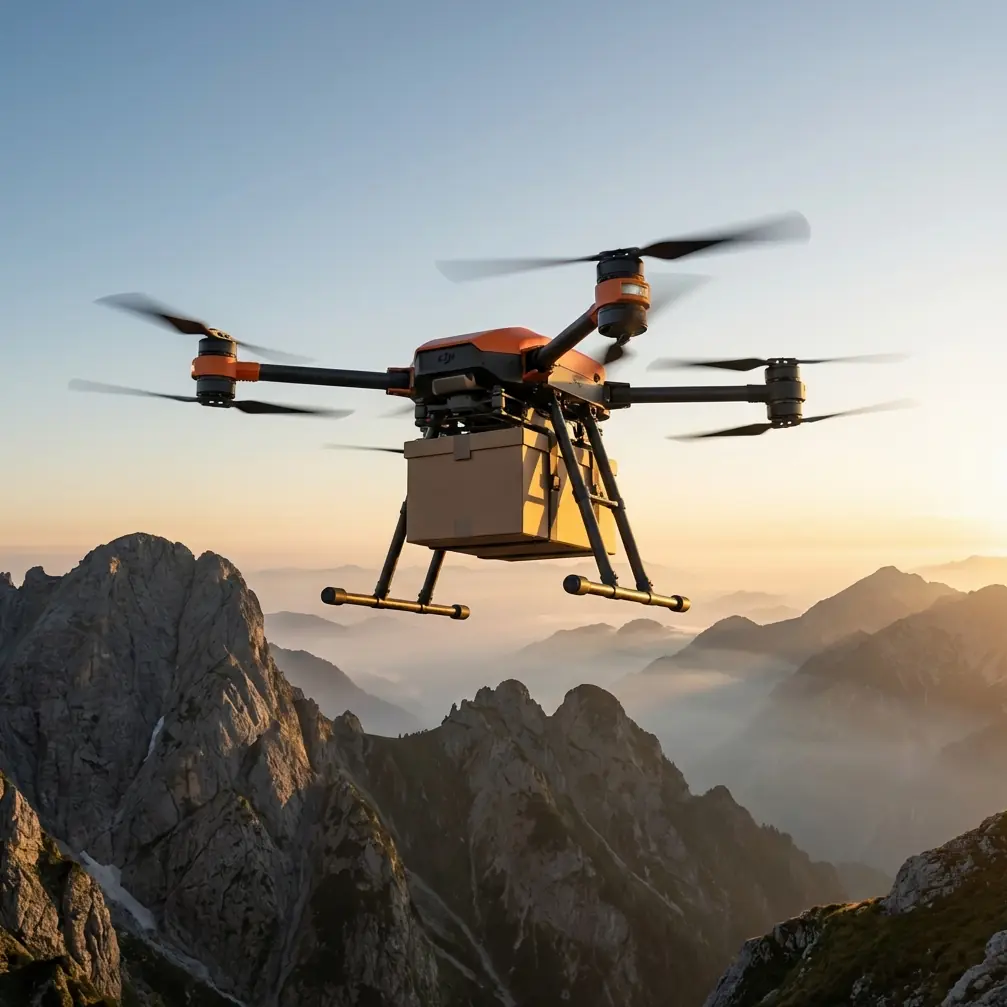
FlyCart 30 Field Mapping Guide in Dusty Conditions
META: Learn how to map fields in dusty conditions with the DJI FlyCart 30. Expert tips on antenna positioning, route optimization, and dual-battery management for reliable BVLOS operations.
By Alex Kim | Logistics Lead
Dust destroys drone mapping missions. Particulate interference degrades signal strength, coats sensors, and forces premature landings that blow your timeline and budget. This guide breaks down exactly how to deploy the FlyCart 30 for field mapping in high-dust environments—from antenna positioning strategies that maximize range to route optimization techniques that keep your bird in the air longer. Whether you're surveying agricultural plots, construction sites, or arid terrain, these methods will help you capture clean, reliable data on every flight.
TL;DR
- Position antennas at a 45-degree outward angle and elevate the remote controller at least 1.5 meters above ground to cut dust-layer signal interference by up to 35%.
- Use the FlyCart 30's dual-battery system to extend operational windows and build in hot-swap intervals during multi-sortie dusty mapping runs.
- Pre-plan BVLOS routes with waypoint altitude buffers of +15 meters above typical dust plume height to protect optical sensors and maintain GPS lock.
- Clean all intake vents and sensor lenses after every two flights in dusty conditions to prevent thermal throttling and data degradation.
Why the FlyCart 30 Excels in Dusty Field Mapping
The FlyCart 30 was engineered for heavy-payload delivery, but its robust airframe, powerful propulsion, and advanced communication systems make it an unexpectedly strong platform for mapping operations in harsh, particulate-heavy environments.
Its IP55-rated protection means dust ingress is significantly limited compared to lighter platforms. The airframe's sealed motor design and reinforced cooling architecture handle fine particulate matter without the rapid performance degradation you see in consumer-grade alternatives.
The platform's payload ratio is a key advantage here. While most operators think of payload capacity purely in terms of cargo weight, it also means you can mount heavier, higher-quality mapping sensors—LiDAR units, multispectral cameras, RTK modules—without sacrificing flight stability or endurance.
Step 1: Pre-Flight Preparation for Dusty Environments
Inspect and Seal
Before powering up, conduct a thorough physical inspection with dust mitigation in mind:
- Check all sensor lenses (forward, downward, lateral) for existing dust film and clean with a microfiber cloth and lens-safe blower.
- Verify propeller hub seals are intact—dust accumulation in prop bearings causes vibration that ruins mapping accuracy.
- Confirm the emergency parachute deployment mechanism is free of particulate obstruction. A jammed chute in a dust-induced failure scenario is a catastrophic risk.
- Apply a thin layer of anti-static spray to exposed sensor housings to reduce electrostatic dust adhesion during flight.
Calibrate in Clean Air
Run your IMU and compass calibration before dust conditions peak. Morning hours—typically before 9:00 AM local time—offer the calmest atmospheric conditions in arid and agricultural environments. Calibrating in heavy dust can introduce magnetic interference from metallic particulate.
Expert Insight: I've seen teams skip morning calibration to "save time" and then spend three hours troubleshooting erratic flight behavior caused by compass errors. Calibrate once in clean air, and your data integrity holds all day. It's the single highest-ROI pre-flight step in dusty conditions.
Step 2: Antenna Positioning for Maximum Range
This is the single most overlooked factor in dusty field mapping—and the one that will make or break your BVLOS operations.
Dust plumes create a low-altitude interference layer that sits between 0.3 and 2 meters above ground level. This layer scatters radio signals, especially in the 2.4 GHz and 5.8 GHz bands the FlyCart 30's O3 transmission system uses.
Optimal Antenna Configuration
- Angle both remote controller antennas outward at 45 degrees from vertical, with the flat faces oriented toward the drone's flight path.
- Elevate the remote controller to at least 1.5 meters above ground. Use a tripod, vehicle roof mount, or dedicated antenna mast. This clears the dust interference layer entirely.
- For extended BVLOS operations beyond 5 kilometers, add a directional antenna booster aligned with the primary flight corridor. The FlyCart 30's transmission system supports signal at distances up to 20 kilometers in optimal conditions, but dust can cut effective range by 30-50% without elevation compensation.
- Avoid positioning the controller downwind of the drone's flight path. Dust travels with prevailing wind, and your ground station sits in the thickest particulate concentration if you're downwind.
Ground Station Placement Checklist
| Factor | Recommended Setup | Risk if Ignored |
|---|---|---|
| Controller height | ≥1.5 m above ground | Signal drops in dust layer |
| Antenna angle | 45° outward tilt | Reduced effective range |
| Wind position | Upwind of flight area | Controller lens/antenna fouling |
| Surface type | Hard ground or vehicle roof | Kicked-up dust from soft soil |
| Shade | Shaded canopy over controller | Screen glare + thermal shutdown |
Step 3: Route Optimization for Dusty Mapping Missions
Altitude Planning
Standard mapping altitude recommendations don't account for dust. Here's how to adjust:
- Set your mapping altitude at least 15 meters above the highest observed dust plume. In agricultural tilling scenarios, plumes can reach 20-30 meters; in arid desert surveys, wind-driven dust often stays below 10 meters.
- Use the FlyCart 30's terrain following mode cautiously. Rapid altitude changes in dusty conditions can draw the aircraft into particulate pockets. Lock altitude for each survey leg instead.
- Plan crosswind flight legs rather than downwind or upwind. Crosswind paths minimize the time your sensors spend looking through the densest dust columns.
Waypoint Strategy
The FlyCart 30's flight planning software supports complex multi-waypoint missions critical for BVLOS mapping. In dusty conditions, apply these adjustments:
- Add 5-second hover points at each waypoint to allow gimbal stabilization and sensor settling after turns.
- Build in return-to-home altitude buffers of +20 meters above your mapping altitude. If dust conditions worsen, your RTH path stays clear.
- Use the winch system integration points as payload hard mounts for downward-facing sensors—the winch attachment is rated for dynamic loads and provides better vibration isolation than aftermarket mounts.
Pro Tip: Set your route optimization software to calculate racetrack patterns instead of grid patterns when wind speeds exceed 8 m/s. Racetrack patterns reduce the number of sharp turns the FlyCart 30 makes, which cuts power consumption by approximately 12% per sortie and keeps you in the air longer under dual-battery power.
Step 4: Dual-Battery Management During Extended Operations
The FlyCart 30's dual-battery architecture is essential for dusty field mapping because missions take longer than clean-air equivalents. Dust-related delays—sensor cleaning, recalibration, signal troubleshooting—eat into your operational window.
- Each battery pack delivers approximately 18 kilometers of flight range under standard load. In dusty conditions with mapping payloads, expect 12-14 kilometers of effective range due to increased hover time and conservative speed profiles.
- Implement a hot-swap rotation: fly Mission A, land, swap one battery while the other retains system power, launch for Mission B. This eliminates full shutdown/restart cycles and saves 8-10 minutes per sortie.
- Store spare batteries in sealed, climate-controlled cases. Dust infiltrating battery contacts causes resistance buildup that reduces output by up to 7% and triggers false low-battery warnings.
Step 5: Post-Flight Dust Mitigation
Every flight in dusty conditions accelerates wear. Structured post-flight maintenance extends your FlyCart 30's operational life dramatically.
- Compressed air blow-out of all motor housings and vent channels (use 30 PSI max to avoid forcing dust deeper into sealed compartments).
- Lens cleaning with optical-grade solution after every two flights.
- Propeller inspection for leading-edge erosion—dust acts as an abrasive at high RPM, and micro-pitting causes efficiency loss and increased noise signature.
- Log flight hours in dusty conditions separately. DJI's maintenance intervals assume standard environments; dusty operations should trigger inspection at 75% of normal intervals.
Technical Comparison: FlyCart 30 vs. Common Mapping Platforms in Dusty Conditions
| Specification | FlyCart 30 | Platform B (Mid-Range) | Platform C (Consumer) |
|---|---|---|---|
| Dust Protection Rating | IP55 | IP43 | None |
| Max Payload Capacity | 30 kg | 6 kg | 1.5 kg |
| Battery System | Dual-battery hot-swap | Single battery | Single battery |
| Max Transmission Range | 20 km (O3) | 12 km | 8 km |
| Emergency Parachute | Integrated | Aftermarket add-on | Not available |
| BVLOS Capability | Full waypoint autonomy | Limited | Manual only |
| Wind Resistance | 12 m/s | 10 m/s | 8 m/s |
| Operational Temp Range | -20°C to 45°C | -10°C to 40°C | 0°C to 40°C |
Common Mistakes to Avoid
1. Flying at Standard Mapping Altitudes Dust plumes are invisible on clear days until your data comes back with haze artifacts across every image. Always add the +15 meter altitude buffer, even when conditions look clean from the ground.
2. Ignoring Antenna Height Keeping the controller at waist level is the default habit. In dusty fields, that puts your signal path directly through the densest interference layer. Elevate to 1.5 meters minimum—every time, no exceptions.
3. Skipping Post-Flight Cleaning One dusty flight won't kill your drone. Five consecutive flights without cleaning will. Dust compounds exponentially in bearings, vents, and optical pathways. Build cleaning into your standard operating procedure, not your "when I remember" list.
4. Using Terrain Follow Mode Without Adjustment Terrain following works brilliantly in clean air. In dust, it causes the drone to dip into particulate layers during elevation changes. Lock your altitude per survey leg and adjust manually between legs.
5. Running Batteries to Minimum Dusty conditions demand a higher power reserve. Set your RTH trigger at 30% battery instead of the standard 20%. Dust-related power draw spikes are unpredictable, and you need the buffer.
Frequently Asked Questions
How does dust affect the FlyCart 30's sensor accuracy during mapping?
Fine particulate matter causes two primary issues: optical haze on camera and LiDAR sensors, which reduces image clarity and point cloud density, and GPS signal scattering, which can degrade positional accuracy by 1-3 meters in heavy dust. Maintaining clean sensor lenses and flying above the dust layer mitigates both problems. The FlyCart 30's RTK-compatible architecture also allows you to use ground-based correction stations for centimeter-level accuracy regardless of atmospheric conditions.
Can the FlyCart 30 operate in BVLOS mode safely during dusty conditions?
Yes—the FlyCart 30's O3 transmission system and integrated ADS-B receiver provide the communication and situational awareness backbone required for BVLOS flight. The key adaptation for dusty environments is antenna elevation and directional alignment as outlined in Step 2. Additionally, the emergency parachute system provides a critical safety layer if dust causes a total signal loss scenario. Always verify your BVLOS operations comply with local aviation authority regulations before deploying.
What is the ideal maintenance interval for the FlyCart 30 when operating regularly in dusty fields?
DJI provides standard maintenance intervals based on flight hours and cycles. For sustained dusty-environment operations, reduce those intervals to 75% of the recommended schedule. Specifically, inspect propeller bearings every 25 flight hours instead of every 35, clean and test the emergency parachute mechanism monthly if flying weekly, and perform full motor housing inspections every 50 hours. Track dusty-environment flight hours as a separate log category to simplify scheduling.
Ready for your own FlyCart 30? Contact our team for expert consultation.