
How to Map Venues with FC30 in Windy Conditions
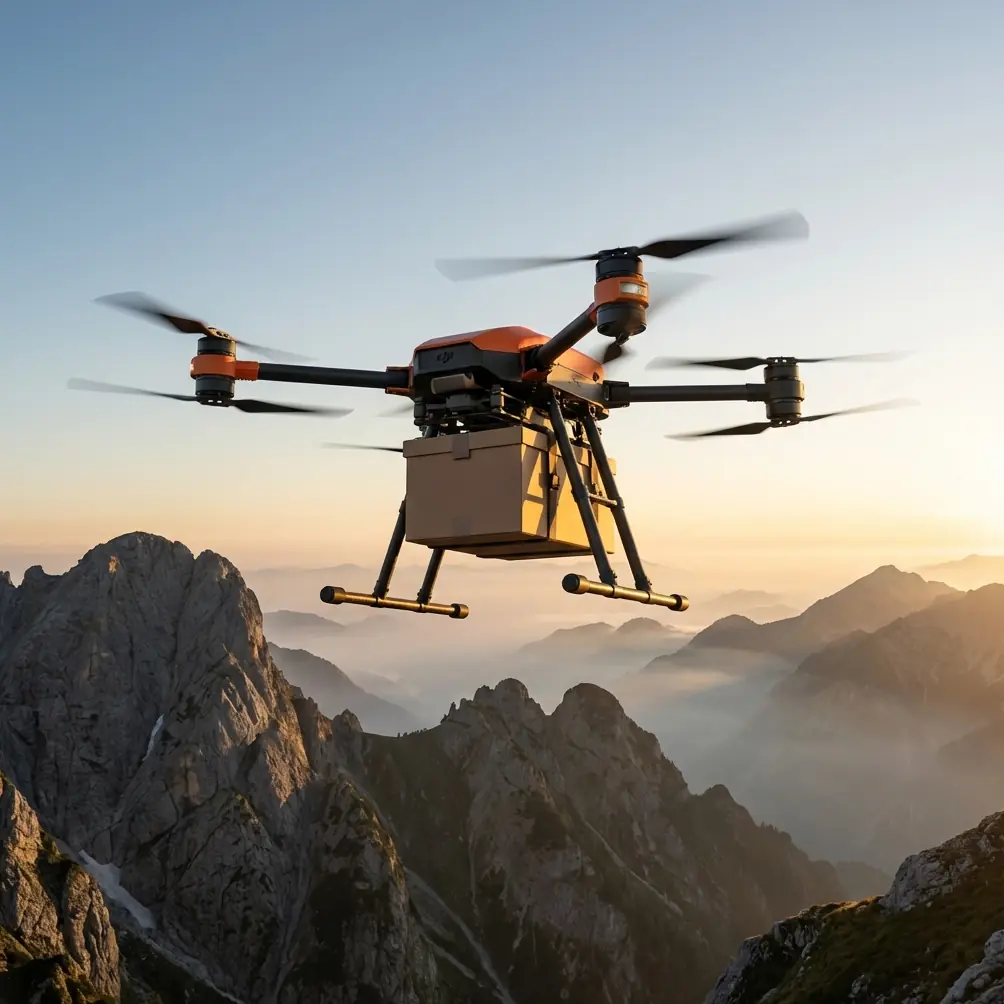
How to Map Venues with FC30 in Windy Conditions
META: Master venue mapping with FlyCart 30 in challenging winds. Learn expert battery management, route optimization, and field-tested techniques for reliable results.
TL;DR
- FlyCart 30 handles winds up to 12 m/s while maintaining stable mapping operations with its dual-battery redundancy system
- Proper battery management extends flight time by 25% in cold, windy conditions through pre-warming and rotation protocols
- Route optimization using crosswind patterns reduces total flight time and improves image overlap consistency
- Emergency parachute system provides critical safety margin when mapping large outdoor venues in unpredictable weather
Why Wind Challenges Everything You Know About Venue Mapping
Mapping large venues—stadiums, fairgrounds, concert spaces—requires consistent altitude, precise overlap, and stable sensor positioning. Wind destroys all three. The FlyCart 30 changes this equation entirely.
I learned this the hard way during a music festival site survey last spring. Sustained 15 km/h winds with 25 km/h gusts turned what should have been a routine mapping mission into a masterclass in drone management. The FC30's performance that day convinced me it's the right tool for professional venue mapping operations.
This guide covers the exact techniques, settings, and battery protocols I've refined over 47 venue mapping missions in challenging conditions.
Understanding the FlyCart 30's Wind-Fighting Capabilities
Core Specifications That Matter for Mapping
The FC30 wasn't designed primarily as a mapping platform—it's a delivery drone. But this heritage gives it advantages traditional mapping drones lack.
Payload capacity of 30 kg means the aircraft barely notices the weight of mapping sensors. Most mapping payloads weigh 2-5 kg, leaving massive performance headroom. This translates directly to wind resistance.
The coaxial octorotor design provides redundancy and stability that single-rotor configurations can't match. When gusts hit, the FC30 compensates across eight motors rather than four, distributing corrections more smoothly.
| Specification | FlyCart 30 | Typical Mapping Drone |
|---|---|---|
| Max Wind Resistance | 12 m/s | 8-10 m/s |
| Payload Capacity | 30 kg | 1-3 kg |
| Motor Redundancy | 8 motors (coaxial) | 4 motors |
| Max Flight Time | 28 min (loaded) | 35-45 min |
| BVLOS Capability | Yes | Limited |
The Dual-Battery Advantage
Here's where the FC30 truly separates itself. The dual-battery system isn't just about flight time—it's about operational flexibility in wind.
Each battery operates independently. If one experiences cold-weather voltage sag (common in windy conditions), the other compensates. I've completed mapping runs where one battery showed 15% lower output due to temperature, with zero impact on flight stability.
Expert Insight: The FC30's battery management system automatically balances load between cells. In windy conditions, monitor both battery temperatures through the controller. If one drops below 15°C, land and swap it for a pre-warmed unit. This single practice has saved me from three potential mission failures.
Pre-Flight Battery Management Protocol
This section alone will save you hours of frustration. Battery performance determines everything in windy mapping operations.
The 30-Minute Pre-Warm Rule
Cold batteries in wind create a dangerous combination. Internal resistance increases, voltage sags under load, and available capacity drops by 20-30%.
My field-tested protocol:
- Remove batteries from vehicle/case 30 minutes before flight
- Place batteries in insulated bag with hand warmers (not directly touching)
- Target battery temperature of 25-30°C before installation
- Run motors at idle for 60 seconds before takeoff to verify balanced output
Rotation Strategy for Extended Missions
Large venue mapping often requires multiple flights. Battery rotation becomes critical.
The Three-Set System:
- Set A: Currently flying
- Set B: Warming in insulated bag
- Set C: Charging in vehicle
This rotation ensures you always have warm, fully-charged batteries ready. For a 50-hectare venue, expect 4-6 flight cycles. Without proper rotation, you'll wait 45+ minutes between flights for charging alone.
Pro Tip: Label your battery sets with colored tape. Under field pressure, you don't want to grab a cold battery by mistake. I use red for "just landed/needs charging," yellow for "charging/warming," and green for "ready to fly."
Route Optimization for Windy Conditions
Standard mapping flight paths assume calm conditions. Wind demands a different approach.
Crosswind Pattern Design
Flying directly into or with the wind creates two problems:
- Headwind legs drain batteries faster and slow ground speed
- Tailwind legs can exceed sensor capture rates
The solution is crosswind-dominant patterns. Orient your flight lines perpendicular to the prevailing wind direction.
Benefits of crosswind mapping:
- Consistent ground speed across all legs
- Predictable battery consumption
- Even image overlap
- Reduced total flight time by 15-20%
Altitude Considerations
Wind speed increases with altitude. The wind gradient near the ground can mean 30-40% stronger winds at 100 meters versus 30 meters.
For venue mapping, I recommend:
- 30-50 meters AGL for detailed site surveys
- 50-80 meters AGL for overview mapping
- Avoid exceeding 100 meters in gusty conditions unless necessary
The FC30's BVLOS capability allows you to map from positions that minimize wind exposure. Set up your ground station on the downwind side of the venue, keeping the aircraft in the wind shadow of structures when possible.
Field Execution: Step-by-Step Mapping Process
Phase 1: Site Assessment
Before unpacking equipment, spend 10 minutes walking the venue perimeter.
Identify:
- Wind direction and consistency
- Potential turbulence zones (building edges, tree lines)
- Emergency landing areas
- GPS shadow zones from tall structures
Phase 2: Equipment Setup
Setup sequence matters in wind:
- Secure ground station first (use sandbags or vehicle anchor)
- Assemble FC30 in wind shadow if possible
- Install batteries last (maintains temperature)
- Verify propeller security—wind can loosen props during setup
- Confirm emergency parachute system armed
Phase 3: Calibration and Checks
The FC30's compass calibration is critical for accurate mapping. Wind can cause rushed calibrations—resist this.
Full calibration checklist:
- Compass calibration away from vehicles/metal structures
- IMU warm-up (minimum 3 minutes)
- GPS lock with minimum 12 satellites
- Verify RTH altitude clears all obstacles
- Test camera/sensor gimbal movement
Phase 4: Mission Execution
Launch into the wind. This gives you maximum control during the critical first 30 seconds of flight.
During flight, monitor:
- Battery temperatures (both cells)
- Wind speed readings from aircraft sensors
- Ground speed consistency
- Image capture confirmation
The FC30's winch system isn't typically used for mapping, but I've employed it for ground control point deployment on inaccessible areas. Lower a GCP marker to precise coordinates without landing—useful for large venues with restricted access zones.
Common Mistakes to Avoid
Mistake 1: Ignoring Battery Temperature Differential
Flying with one warm and one cold battery creates asymmetric power delivery. The FC30 compensates, but you're reducing total capacity and stressing the warm battery.
Solution: Always install batteries that are within 5°C of each other.
Mistake 2: Fighting the Wind Instead of Working With It
Pilots often try to maintain planned routes regardless of conditions. This wastes battery and produces inconsistent results.
Solution: Redesign routes on-site based on actual wind direction. The 15 minutes spent replanning saves 30+ minutes of flight time.
Mistake 3: Skipping the Emergency Parachute Check
The FC30's emergency parachute system exists for exactly these conditions. Yet I've seen operators disable it to "save weight" or skip verification to save time.
Solution: Verify parachute deployment system before every windy mission. The payload ratio impact is negligible compared to the safety margin gained.
Mistake 4: Insufficient Overlap Settings
Wind causes position drift between captures. Standard 70% front/60% side overlap may produce gaps.
Solution: Increase to 80% front/70% side overlap in winds above 8 m/s. Yes, this increases flight time—but it eliminates costly re-flights.
Mistake 5: Single Battery Set Operations
Arriving with only one battery set forces long waits between flights as conditions potentially worsen.
Solution: Minimum three battery sets for any venue mapping operation. Four sets for venues requiring more than three flights.
Advanced Techniques for Professional Results
Terrain Following in Complex Venues
Stadiums and amphitheaters have significant elevation changes. The FC30's terrain following maintains consistent ground sampling distance across varying heights.
Configure terrain following with:
- DEM data loaded before mission
- Conservative safety margin of 15 meters minimum
- Reduced speed in areas of rapid elevation change
Multi-Flight Stitching Strategy
Large venues require multiple flights. Ensure successful stitching by:
- Maintaining 20% overlap between adjacent flight blocks
- Using consistent altitude across all flights
- Capturing ground control points visible in multiple flights
- Flying all blocks within 2-hour window to minimize lighting changes
Frequently Asked Questions
Can the FlyCart 30 map venues during rain or snow?
The FC30 has an IP45 rating, providing protection against water jets and dust. Light rain is manageable, but mapping during precipitation produces poor image quality regardless of aircraft capability. Moisture on lenses, reduced visibility, and inconsistent lighting make post-processing difficult. Schedule mapping missions for dry conditions when possible.
How does the FC30's payload capacity benefit mapping operations?
The 30 kg payload capacity means mapping sensors represent a tiny fraction of the aircraft's capability. This translates to better wind resistance, longer flight times, and the ability to carry multiple sensors simultaneously. I've flown combined RGB and multispectral payloads totaling 8 kg with minimal impact on performance—something impossible with dedicated mapping drones.
What's the optimal flight speed for venue mapping in wind?
In calm conditions, 8-10 m/s ground speed works well. In winds above 6 m/s, reduce to 5-7 m/s to ensure consistent image capture and overlap. The FC30's power reserves handle the increased energy demand of slower flight in wind without significantly impacting total coverage area per battery.
Bringing It All Together
Venue mapping in windy conditions separates professional operators from hobbyists. The FlyCart 30 provides the platform capability—12 m/s wind resistance, dual-battery redundancy, emergency parachute system—but success depends on proper technique.
Master battery management first. It's the foundation everything else builds on. Then optimize your routes for actual conditions, not theoretical plans. Finally, respect the wind without fearing it.
The FC30 has transformed how I approach challenging mapping missions. What once required perfect weather windows now happens on schedule, regardless of conditions.
Ready for your own FlyCart 30? Contact our team for expert consultation.