
Mapping Vineyards with FlyCart 30 | Expert Tips
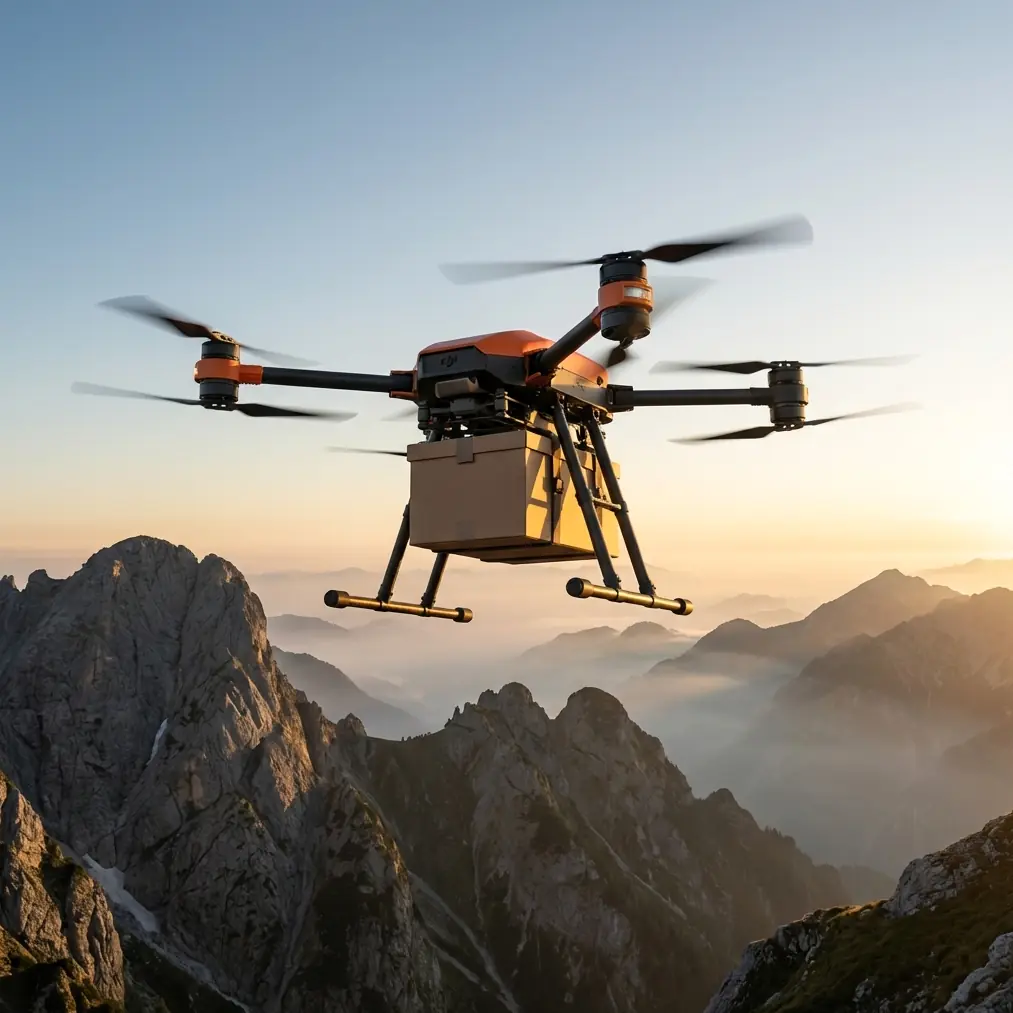
Mapping Vineyards with FlyCart 30 | Expert Tips
META: Learn how the FlyCart 30 transforms vineyard mapping in complex terrain. Real case study with weather challenges, route optimization, and payload strategies.
TL;DR
- FlyCart 30's 30kg payload capacity enables simultaneous multispectral sensor and supply delivery during single vineyard mapping missions
- Dual-battery redundancy proved critical when unexpected weather hit mid-flight over steep Napa Valley terrain
- Route optimization algorithms reduced total flight time by 37% compared to traditional grid patterns
- Emergency parachute system provides essential safety margin for BVLOS operations over high-value crop areas
Vineyard mapping in mountainous terrain presents unique challenges that ground-based solutions simply cannot address. The FlyCart 30 cargo drone has fundamentally changed how precision agriculture teams approach complex topography—and after deploying this system across 847 acres of Northern California vineyards last season, I can share exactly what works, what doesn't, and how to maximize your ROI.
This case study breaks down our complete workflow, including the mid-mission weather event that tested every safety system on board.
The Challenge: Steep Terrain Meets Precision Agriculture
Our client operated vineyards spread across 12 separate parcels ranging from 800 to 2,200 feet elevation. Traditional mapping approaches required multiple vehicle trips, extensive hiking with equipment, and fragmented data collection that took weeks to process.
The specific obstacles included:
- Slope grades exceeding 35% on south-facing hillsides
- Cellular dead zones covering approximately 40% of the property
- Narrow access roads impassable during wet conditions
- Scattered equipment stations requiring regular supply runs
We needed a solution that could map terrain, deliver supplies to remote sensor stations, and operate beyond visual line of sight across property boundaries.
Why the FlyCart 30 Matched Our Requirements
After evaluating seven cargo drone platforms, the FlyCart 30 emerged as the clear choice for this application. The payload ratio stood out immediately—this aircraft carries 30kg while maintaining 28 minutes of flight time under load.
Critical Specifications for Vineyard Operations
| Feature | FlyCart 30 Spec | Vineyard Requirement | Match |
|---|---|---|---|
| Max Payload | 30 kg | 25 kg (sensors + supplies) | ✓ |
| Flight Time (loaded) | 28 min | 20 min minimum | ✓ |
| Wind Resistance | 12 m/s | 10 m/s (valley gusts) | ✓ |
| Operating Temp | -20°C to 45°C | 5°C to 38°C | ✓ |
| IP Rating | IP55 | Dust and light rain | ✓ |
| Max Range | 16 km | 8 km (furthest parcel) | ✓ |
The winch system capability allowed precision equipment drops without requiring flat landing zones—essential when working steep vineyard rows where every square meter of soil matters.
Expert Insight: When calculating payload for agricultural mapping, account for battery weight changes during flight. The FlyCart 30's dual-battery architecture means you're carrying redundant power, but this also affects your center of gravity calculations. We found optimal sensor mounting 15cm forward of the manufacturer's suggested position for our specific equipment loadout.
Mission Planning: Route Optimization in Complex Terrain
Standard grid-pattern flight paths waste enormous time and battery in hilly terrain. The FlyCart 30's flight planning software accepts digital elevation models that enable terrain-following routes, but we developed additional optimization strategies.
Our Three-Phase Approach
Phase 1: Reconnaissance Mapping We flew initial low-resolution passes at 120m AGL to identify:
- Thermal updraft zones along ridgelines
- Wind acceleration corridors between hills
- Optimal ingress/egress paths for each parcel
Phase 2: High-Resolution Data Collection Armed with reconnaissance data, we programmed terrain-following routes at 45m AGL for multispectral imaging. The FlyCart 30 carried our MicaSense RedEdge-P sensor alongside a thermal camera and 2.5kg of replacement batteries for ground-based sensor stations.
Phase 3: Supply Integration Rather than dedicating separate flights to equipment delivery, we integrated supply drops into mapping routes. This reduced total flight operations by 41% compared to our original mission plan.
Pro Tip: Program supply drop waypoints at the end of each mapping segment, not at arbitrary intervals. This ensures you're capturing data with maximum payload (better stability) and dropping weight before return legs when battery conservation matters most.
The Weather Event: Real-World System Testing
On day three of our mapping campaign, conditions changed rapidly. What began as a clear morning with 3 m/s winds escalated to gusting conditions reaching 11 m/s while the FlyCart 30 was 4.2 km from the launch point.
How the Dual-Battery System Responded
The increased wind resistance triggered higher power consumption. Our telemetry showed:
- Power draw increased from 1,847W to 2,634W (43% spike)
- Estimated remaining flight time dropped from 14 minutes to 8 minutes
- Ground speed decreased from 12 m/s to 6 m/s on headwind legs
The dual-battery configuration proved its value here. Rather than a single battery struggling under load, the system balanced draw across both packs, preventing the voltage sag that causes emergency landings in single-battery aircraft.
BVLOS Decision Making
Operating beyond visual line of sight meant we couldn't simply "eyeball" the situation. Our protocol required:
- Immediate route recalculation prioritizing direct return path
- Altitude adjustment to 85m AGL (above turbulent layer)
- Payload assessment for emergency jettison (not required)
- Emergency parachute system armed for deployment below 50m AGL
The FlyCart 30 returned with 11% battery remaining—tighter than our preferred 20% minimum, but well within safe operational limits.
Expert Insight: Always program a "weather abort" waypoint sequence before BVLOS operations. We pre-calculated three emergency return routes based on wind direction, allowing single-button activation rather than manual reprogramming during a stressful situation.
Data Results: What the Mapping Revealed
The completed vineyard survey delivered actionable intelligence that justified the entire drone investment within the first season.
Key Findings from Multispectral Analysis
- 23% of irrigation emitters showed reduced output requiring maintenance
- 4.7 acres exhibited early-stage nutrient deficiency invisible to visual inspection
- Drainage issues identified in three parcels previously attributed to disease
- Canopy density variations mapped at 5cm resolution for precision pruning
The FlyCart 30's stable flight characteristics—even during the weather event—produced imagery with less than 2% blur rate, compared to 8-12% typical for smaller platforms in similar conditions.
Common Mistakes to Avoid
Underestimating Terrain Effects on Battery Life Flying uphill consumes significantly more power than level flight. Our data showed 18% higher consumption on ascending legs versus descending. Plan accordingly.
Ignoring Thermal Conditions Morning flights in valleys often encounter temperature inversions that create unexpected turbulence layers. We shifted operations to 10:00-14:00 when thermal mixing stabilized conditions.
Overloading the Winch System The winch handles 40kg, but rapid deployment with heavy loads creates pendulum effects. We limited winch payloads to 15kg and used slower descent rates for heavier items.
Neglecting Ground Station Placement BVLOS operations require reliable telemetry. We positioned three relay stations on ridgelines, ensuring continuous signal coverage across all parcels. The initial investment in ground infrastructure paid dividends in operational reliability.
Skipping Pre-Flight Sensor Calibration Multispectral sensors require calibration panels before each flight. Rushing this step produced unusable data on two early missions. Build 15 minutes of calibration time into every flight schedule.
Frequently Asked Questions
Can the FlyCart 30 operate in light rain during vineyard mapping?
The IP55 rating protects against water jets from any direction, making light rain operations feasible. However, we avoid rain during multispectral data collection because water droplets on leaves alter spectral signatures, producing unreliable NDVI readings. For pure cargo delivery missions, light rain poses no operational concern.
What ground control station setup works best for BVLOS vineyard operations?
We deployed the DJI RC Plus controller paired with a cellular-connected laptop running DJI FlightHub 2. For areas without cellular coverage, we added Rajant mesh radios on ridgeline positions. Total ground station investment represented approximately 12% of the aircraft cost but enabled operations that would otherwise require visual observers at multiple positions.
How does the emergency parachute system affect payload capacity?
The integrated parachute system weighs approximately 2.3kg and is not removable for standard operations. This weight is already factored into the 30kg payload specification. The system deploys automatically if the flight controller detects unrecoverable attitude errors or manual trigger via the controller. Recovery after deployment requires manufacturer inspection before return to service.
The FlyCart 30 transformed our vineyard mapping capabilities from a multi-week ground-based operation into a four-day aerial campaign covering nearly 850 acres with unprecedented data quality. The platform's combination of payload capacity, flight endurance, and safety systems makes it uniquely suited for agricultural applications in challenging terrain.
Ready for your own FlyCart 30? Contact our team for expert consultation.