
FlyCart 30 in Extreme-Temperature Wildlife Mapping
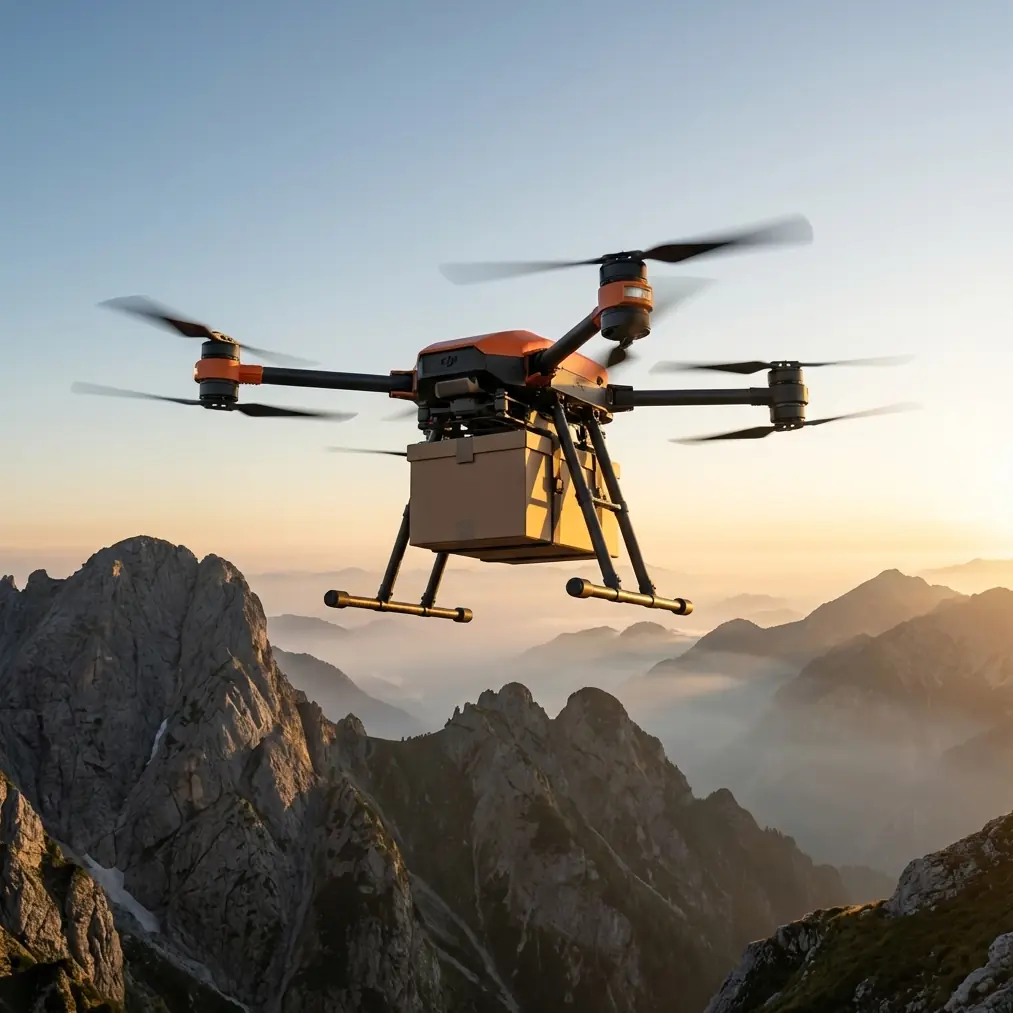
FlyCart 30 in Extreme-Temperature Wildlife Mapping: What Changed When We Stopped Treating Aerial Imaging Like “Just Flying a Camera”
META: A field-driven case study on how FlyCart 30 improved wildlife mapping in extreme temperatures by refining shot distance, mission intent, route planning, and payload workflow.
When people talk about wildlife mapping, they usually focus on sensors, airframes, battery life, or regulations. Those matter. But in one of our most difficult field deployments, the real breakthrough came from something more basic: we stopped collecting footage without a visual hierarchy.
That shift sounds small until you are trying to document animal movement corridors across a harsh, temperature-stressed landscape where every sortie matters. In our case, the platform was the FlyCart 30, and the mission was not casual observation. We were building repeatable aerial records in extreme temperatures, with long transit legs, uneven terrain, and limited windows for safe flight.
I lead logistics, not brand marketing. So this is not a polished product pitch. It is a field account of what got easier once the FC30 let us run a cleaner operation around image capture, payload handling, and route discipline.
The surprising part is that two recent photography lessons circulating in the Chinese drone and imaging space map almost perfectly onto what we learned in the field. One focused on a beginner mistake: not understanding shot distance and ending up with cluttered images, tiny subjects, and flat composition. It argued that mastering scene scale can cut wasted effort by as much as 90%. The other focused on a different failure point: images without a clear theme, where the viewer sees the frame but not the meaning behind it.
For wildlife mapping with FlyCart 30, those are not artistic side notes. They are operational rules.
The problem we had before the FC30 workflow clicked
Our team had worked extreme-temperature sites before. The usual friction points were predictable enough: battery behavior in temperature swings, launch timing, payload transitions, line-of-sight limitations over broken terrain, and the constant pressure to bring back useful data instead of just more data.
The harder issue was subtler. We were flying missions that were technically successful but visually inefficient.
We had landscape-heavy frames with too much empty geography. We had passes where the subject area was too small to support later analysis. We had sequences that looked fine in isolation but did not build a coherent interpretation of habitat use. Some flights produced imagery that was legally compliant and aeronautically sound, yet weak for ecological decision-making.
That matches the photography warning almost exactly: a good scene can still turn into a useless image if the subject is too small, the frame is too chaotic, or the composition has no atmosphere. In a wildlife mapping context, “waste” does not mean ugly photos. It means sorties that consume weather windows, crew attention, and battery cycles without improving confidence in the map.
Once we reframed the problem that way, the FlyCart 30 became more than a transport-capable drone. It became the backbone of a tighter mission system.
Why the FlyCart 30 fit this kind of work
The FC30 is often discussed through its carrying ability, and that is fair. Payload ratio matters when a mission requires more than a single lightweight imaging package. In our case, that mattered because field mapping in extreme temperatures is rarely just about putting a camera in the air. It involves batteries, protective gear, support equipment, and sometimes rapid repositioning of tools between improvised operating points.
The dual-battery architecture was one of the first practical advantages we felt in the field. In severe temperatures, energy planning is never theoretical. You need stable procedures, predictable swaps, and less improvisation under pressure. That configuration gave us more control over sortie pacing and reduced the kind of rushed decision-making that creeps in when teams start stretching flights at the edge of comfort.
The winch system also changed how we handled awkward terrain. Some of our launch and recovery positions were constrained by ground conditions that made traditional access clumsy and slow. Being able to manage equipment movement vertically instead of forcing unnecessary landings or crew repositioning cut down exposure time and simplified the handoff of mission-critical gear. That matters more than people think. Every extra minute spent scrambling over unstable ground is a minute not spent validating data quality.
And for remote corridor work, BVLOS planning entered the conversation quickly. I am not suggesting that capability replaces regulatory discipline; it does not. But route design for wildlife mapping often needs long, efficient paths across terrain that does not forgive detours. The FC30 made route optimization a more serious part of our planning because the aircraft could support a mission profile where transport logic and imaging logic worked together instead of competing.
The photography lesson that improved our maps
One of the recent source pieces made a blunt point: shot distance is photography’s language. That line stayed with me because it describes a major failure mode in aerial ecological work.
When operators do not deliberately vary scene scale, the output becomes muddy. You get wide views with no readable subject, medium views with weak context, or repetitive passes that never establish significance. That is the airborne version of “the frame is messy, the subject is tiny, the composition feels stiff.”
We changed our capture plan around this idea.
Instead of treating each flight path as a generic scan, we structured image collection in layers:
- Establishing frames to define landscape context and movement corridors.
- Mid-distance passes to show habitat edges, water access, and terrain constraints.
- Tighter visual records where signs of presence, track density, resting zones, or repeated path usage could actually be interpreted.
That sounds obvious written down. It was not obvious when we were pushing through long field days with weather pressure and logistics noise. The simple discipline of deciding what visual scale each segment had to deliver dramatically improved the usefulness of our outputs.
This is where the “3 minutes to learn it” framing from the source becomes operationally interesting. In practice, understanding visual scale does not require cinematic genius. It requires repeatable choices. The reason that kind of lesson can save a beginner from “90% of the detours” is the same reason it helps a professional field team: it strips away avoidable ambiguity.
With FlyCart 30 supporting a steadier mission rhythm, we had the bandwidth to think in those terms.
Theme matters in wildlife mapping more than most teams admit
The second source item argued that a photo needs a clear theme and asked a better question than most technical checklists do: after seeing the image, what should the viewer think about? What idea should the image carry?
That was the second major improvement in our FC30 workflow.
Before, we sometimes flew as if coverage alone was the mission. Afterward, we assigned each sortie an interpretive purpose.
Not “collect footage over sector C.”
Instead: “show thermal refuge use during peak temperature stress.”
Or: “document edge behavior near the disturbed corridor.”
Or: “capture evidence of movement continuity between separated habitat patches.”
That one change influenced everything else:
- Route optimization became easier because the route had a narrative job.
- Payload selection became more rational because the image had a target meaning.
- Crew briefing improved because everyone knew what counted as success.
- Review time dropped because we were not trying to invent a story after landing.
This is where the FC30’s transport-oriented strengths helped unexpectedly. Because the platform handled field logistics with less friction, the team had more mental room to focus on image intent rather than merely surviving the day’s movement plan.
A lot of bad aerial data is not caused by poor flying. It is caused by poor editorial thinking before takeoff.
A past mission that made the lesson stick
One site changed my mind completely. We were mapping wildlife use across a rugged area where daytime and overnight temperatures swung hard enough to affect both operations and animal behavior. The terrain forced us into less-than-ideal staging points, and we had narrow windows where the environmental conditions aligned with the animal activity we wanted to document.
Earlier in the project, we had run a set of flights that looked productive on paper. The aircraft performed. The team stayed on schedule. We brought back plenty of imagery.
But during review, the weaknesses were obvious. Several frames buried the real points of interest inside oversized landscapes. In others, we lacked enough surrounding context to interpret why animals were choosing one route over another. We had documentation, but not clarity.
That was the turning point.
We rebuilt the plan around visual hierarchy and mission theme. We used the FC30 for a more disciplined chain: transport gear efficiently, launch from better-positioned points, run pre-defined route segments tied to specific ecological questions, and use each pass to contribute either context, confirmation, or detail.
The difference was immediate. The image sets began to speak in a sequence rather than as random evidence. Habitat transitions became readable. Repeated movement patterns stopped looking anecdotal. Temperature-related use of certain micro-areas became easier to communicate to non-flight stakeholders.
That last point is underrated. Ecologists, land managers, and decision-makers do not all think like pilots. They need visuals that explain, not just visuals that exist.
Safety and continuity are part of data quality
When teams discuss image quality, they often separate it from airworthiness and safety systems. In real operations, that separation is artificial.
An emergency parachute matters because continuity matters. In harsh environments, a safety layer does more than protect hardware. It protects the mission chain, preserves crew confidence, and supports decisions that remain disciplined instead of reactive. If an operation feels fragile, crews tend to shorten ambition in all the wrong places. They simplify routes too aggressively, skip useful passes, or avoid better staging options. Robust systems make better data possible.
The same goes for power management. Dual-battery planning is not just about staying airborne longer. It improves predictability. Predictability allows better route segmentation. Better segmentation leads to cleaner image logic. Clean image logic produces stronger analysis.
People like to isolate these variables. Field reality bundles them together.
What FlyCart 30 changed for our team
The FC30 did not magically solve wildlife mapping. What it did was remove enough logistical drag that better imaging discipline could finally take hold.
That matters because most teams do not fail on one dramatic technical flaw. They fail by accumulation:
- Too much wasted movement on the ground.
- Too little consistency in capture scale.
- Too many flights without a sharply defined question.
- Too much reviewing of imagery that never had a real job to begin with.
When the platform supports payload movement, controlled field handling, route planning, and safer continuity, you gain something rare in tough environments: margin. We used that margin to improve the intelligence of the mission, not just the mechanics.
If your team is wrestling with similar field conditions, it helps to talk through the mission architecture before choosing tactics. We’ve had useful conversations with operators comparing route logic, payload workflows, and capture planning through this channel: message our field team here.
The biggest takeaway for extreme-temperature wildlife mapping
If I had to reduce this case study to one principle, it would be this: stop measuring flight success only by coverage and aircraft performance.
The recent photography guidance from March 24, 2026 made two points that are easy to dismiss as beginner advice. First, scene scale is fundamental; get it wrong and the result is clutter, weak subject definition, and wasted effort. Second, an image without a clear thematic purpose struggles to create meaning for the viewer.
In our FlyCart 30 operations, both proved true.
We got better outputs when we deliberately controlled shot distance across mission phases. We got better decisions when every sortie had a clear interpretive goal. And we maintained that discipline more reliably because the FC30 reduced friction in the field through practical capabilities like a dual-battery setup, winch-based handling, route-friendly mission planning, and safety support such as an emergency parachute.
That is the real story here. Not that the aircraft flew. Plenty of aircraft fly.
The point is that FlyCart 30 helped us turn difficult wildlife mapping in extreme temperatures into a more coherent system—one where logistics, image structure, and analytical intent finally worked in the same direction.
Ready for your own FlyCart 30? Contact our team for expert consultation.