
Monitoring Coastal Construction Sites with FlyCart 30
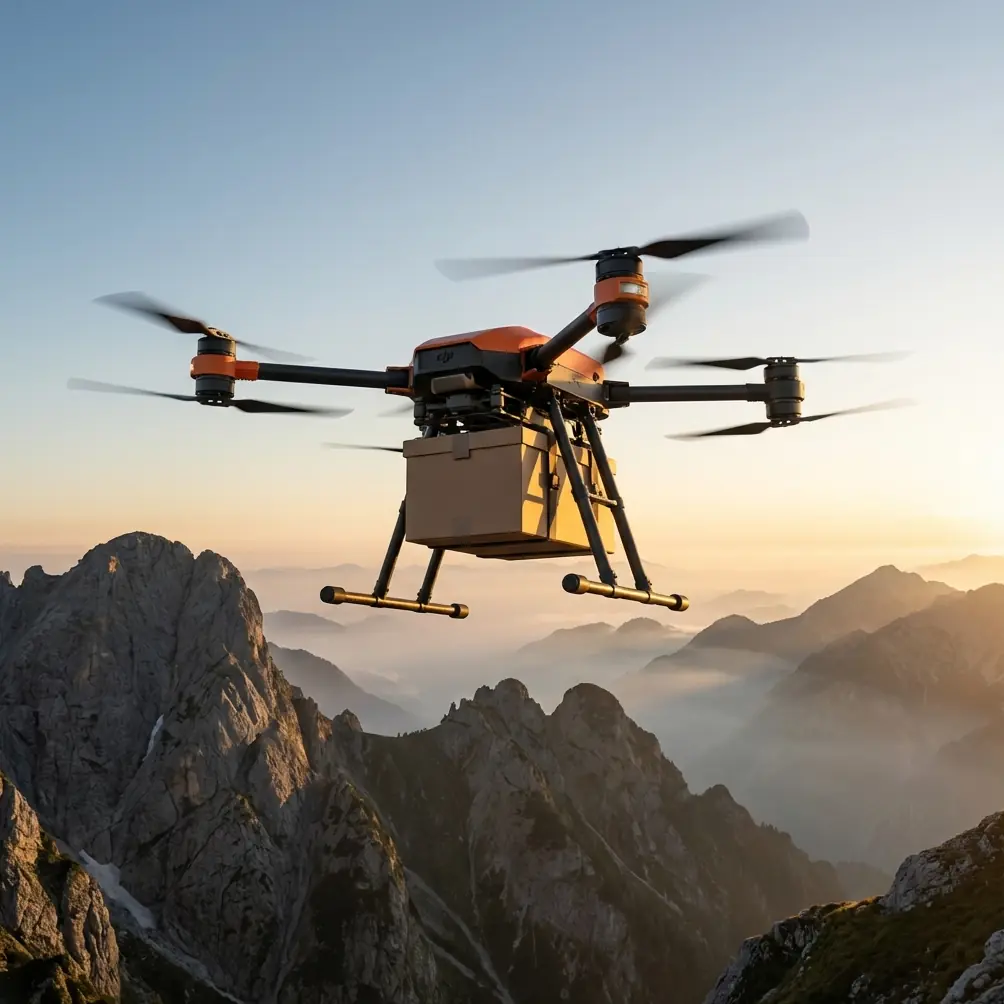
Monitoring Coastal Construction Sites with FlyCart 30
META: Discover how the FlyCart 30 transforms coastal construction monitoring with advanced payload capacity and safety systems. Expert tips from logistics professionals.
TL;DR
- FlyCart 30's 30kg payload capacity enables comprehensive monitoring equipment deployment across sprawling coastal construction zones
- Dual-battery redundancy and emergency parachute systems ensure safe operations in unpredictable maritime weather conditions
- BVLOS capabilities extend monitoring coverage up to 28km without visual line of sight limitations
- Pre-flight cleaning protocols for salt-air exposure directly impact safety system reliability and operational longevity
Coastal construction monitoring presents unique challenges that ground-based systems simply cannot address. The FlyCart 30 solves the critical problem of covering vast, difficult-terrain sites while carrying professional-grade monitoring equipment—and this guide shows you exactly how to maximize its capabilities in salt-air environments.
Why Coastal Construction Sites Demand Specialized Drone Solutions
Traditional construction monitoring relies on fixed cameras, manual inspections, and ground vehicles. Coastal projects break this model entirely.
Sites spanning multiple kilometers of shoreline, tidal zones that shift accessibility windows, and corrosive salt environments create a perfect storm of monitoring challenges. The FlyCart 30 addresses each of these with purpose-built features.
The Terrain Problem
Coastal construction sites typically include:
- Breakwater installations extending hundreds of meters offshore
- Seawall foundations requiring underwater and above-water documentation
- Material staging areas spread across soft sand and rocky outcrops
- Access roads that flood during high tide cycles
- Equipment storage zones positioned on elevated ground
Ground vehicles cannot traverse these varied surfaces efficiently. Fixed monitoring positions miss critical angles. Human inspectors face safety risks from unstable terrain and tidal patterns.
Expert Insight: Route optimization becomes essential when monitoring coastal sites. Plan flight paths that capture all critical zones during a single battery cycle, prioritizing areas with the shortest accessibility windows first.
Pre-Flight Cleaning: The Safety Protocol Most Operators Skip
Salt air deposits microscite crystals on every exposed surface within hours. These deposits directly compromise the FlyCart 30's safety systems if left unchecked.
Critical Cleaning Points
Before each flight in coastal environments, inspect and clean these components:
Emergency Parachute Housing Salt buildup around the parachute deployment mechanism can slow or prevent activation. Use a soft brush to remove visible deposits, then wipe with a lightly dampened microfiber cloth. Never use compressed air—it forces particles deeper into the mechanism.
Dual-Battery Contacts Corrosion on battery terminals creates resistance, reducing power delivery and triggering false low-battery warnings. Clean contacts with isopropyl alcohol and a cotton swab before each flight session.
Winch System Cable and Motor The winch system's exposed cable accumulates salt faster than any other component. Wipe the full cable length and inspect for fraying. Salt crystals act as abrasives during cable retraction.
Sensor Arrays Obstacle avoidance sensors and GPS receivers require clear surfaces. A single fingerprint-sized salt deposit can create blind spots in the collision avoidance system.
Pro Tip: Establish a dedicated cleaning station at your coastal site with all necessary supplies. The five minutes spent on pre-flight cleaning prevents hours of downtime from preventable system failures.
Payload Configuration for Construction Monitoring
The FlyCart 30's 30kg maximum payload opens monitoring possibilities that smaller drones cannot match. Coastal construction demands specific equipment combinations.
Recommended Payload Configurations
| Monitoring Task | Primary Equipment | Secondary Equipment | Total Weight |
|---|---|---|---|
| Progress Documentation | 4K Cinema Camera | Gimbal Stabilizer | 8.2kg |
| Structural Inspection | Thermal Imager | High-Resolution Still Camera | 11.5kg |
| Material Delivery Verification | Inventory Scanner | GPS Logger | 6.8kg |
| Safety Compliance Audit | 360° Camera Array | Audio Recorder | 14.3kg |
| Emergency Supply Drop | Medical Kit | Communication Radio | 22.0kg |
The payload ratio becomes critical when planning extended monitoring sessions. Heavier configurations reduce flight time, requiring more frequent battery swaps or charging cycles.
Balancing Payload and Flight Duration
At maximum 30kg payload, expect approximately 18 minutes of flight time under optimal conditions. Coastal winds reduce this significantly.
For standard monitoring runs, keeping payload under 15kg extends flight time to approximately 32 minutes—enough to cover most construction sites in a single sortie.
BVLOS Operations: Extending Your Monitoring Reach
Beyond Visual Line of Sight operations transform the FlyCart 30 from a local monitoring tool into a comprehensive site management system.
Regulatory Requirements
BVLOS operations require specific authorizations in most jurisdictions. Coastal construction sites often qualify for waivers due to:
- Limited public access to active construction zones
- Controlled airspace away from populated areas
- Professional operator certification requirements
- Established emergency procedures
Work with your aviation authority to secure appropriate permissions before implementing BVLOS monitoring protocols.
Route Optimization for Extended Coverage
Effective BVLOS monitoring requires pre-planned routes that maximize coverage while maintaining safety margins.
Waypoint Planning Principles:
- Set waypoints at 150-meter intervals for detailed coverage
- Include hover points at critical inspection locations
- Program altitude variations to capture multiple angles
- Build in 15% battery reserve for return-to-home contingencies
- Account for wind patterns that change throughout the day
The FlyCart 30's route optimization software allows you to save and repeat monitoring patterns, ensuring consistent documentation across project phases.
The Dual-Battery Advantage in Maritime Conditions
Coastal environments stress battery systems through temperature fluctuations, humidity, and salt exposure. The FlyCart 30's dual-battery architecture provides redundancy that single-battery systems cannot match.
How Dual-Battery Redundancy Works
Both batteries power the aircraft simultaneously during normal operations. If one battery fails or depletes faster than expected, the remaining battery maintains full flight capability—providing enough power to complete the mission or return safely.
This redundancy proves essential when:
- Unexpected headwinds increase power consumption
- Salt corrosion affects one battery's contacts
- Temperature drops reduce battery efficiency
- Extended hover operations drain power faster than planned
Battery Management Best Practices
- Store batteries in climate-controlled containers between flights
- Rotate battery pairs to ensure even wear
- Monitor individual cell voltages after each flight
- Replace batteries showing more than 5% capacity difference between cells
- Never charge batteries immediately after coastal flights—allow 30 minutes for temperature stabilization
Common Mistakes to Avoid
Ignoring Wind Pattern Changes Coastal winds shift dramatically as land and water temperatures change throughout the day. Morning flights often encounter different conditions than afternoon operations. Check forecasts hourly and adjust flight plans accordingly.
Skipping Post-Flight Cleaning Pre-flight cleaning catches existing deposits. Post-flight cleaning prevents overnight corrosion. Both protocols are essential—not optional.
Overloading for "Efficiency" Carrying maximum payload to reduce flight numbers seems logical but creates unnecessary risk. Lighter loads provide safety margins for unexpected conditions.
Flying During Salt Spray Events High winds create salt spray that reaches altitudes well above normal operating heights. If you can taste salt in the air, postpone operations.
Neglecting Winch System Maintenance The winch system enables unique monitoring capabilities—lowering cameras into confined spaces, delivering supplies to inaccessible areas. Salt exposure degrades cable integrity faster than visual inspection reveals. Replace cables at 75% of manufacturer-recommended intervals in coastal environments.
Frequently Asked Questions
How does salt air affect the FlyCart 30's emergency parachute system?
Salt deposits accumulate around the parachute housing seal and deployment mechanism. These deposits can slow deployment by 0.3-0.5 seconds—potentially critical at low altitudes. Daily cleaning of the housing exterior and monthly professional inspection of internal components maintains rated deployment speeds.
What payload configuration works best for documenting construction progress?
A 4K cinema camera with three-axis gimbal stabilization provides the best balance of image quality and weight efficiency at approximately 8.2kg total. This configuration allows extended flight times while capturing footage suitable for client presentations, regulatory submissions, and internal documentation.
Can the FlyCart 30 operate in rain conditions common to coastal areas?
The FlyCart 30 carries an IP45 rating, providing protection against water jets from any direction. Light to moderate rain does not prevent operations. Heavy rain reduces visibility for both cameras and obstacle avoidance sensors, making flights inadvisable regardless of the aircraft's water resistance.
Coastal construction monitoring demands equipment that matches the environment's challenges. The FlyCart 30 delivers the payload capacity, safety redundancy, and operational range these projects require—when operators commit to the maintenance protocols that maritime conditions demand.
Ready for your own FlyCart 30? Contact our team for expert consultation.