
FlyCart 30 for High-Altitude Construction Monitoring
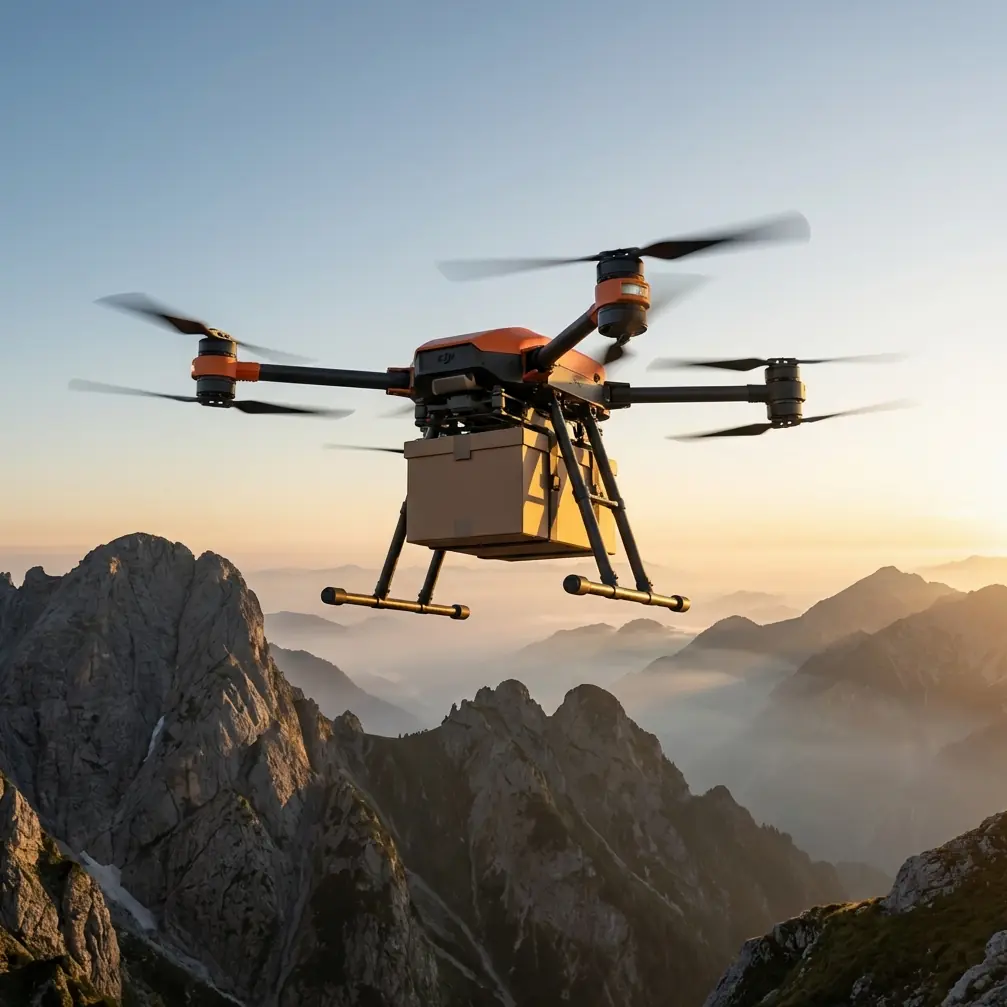
FlyCart 30 for High-Altitude Construction Monitoring
META: Discover how the FlyCart 30 transforms high-altitude construction site monitoring with advanced payload capacity and safety systems. Expert technical review inside.
TL;DR
- 30 kg payload capacity enables comprehensive sensor deployment for construction monitoring above 3,000 meters
- Dual-battery redundancy and emergency parachute system ensure operational safety in challenging mountain environments
- BVLOS capability with route optimization covers expansive construction sites without line-of-sight limitations
- Winch system integration allows precise equipment delivery to inaccessible work zones
Why High-Altitude Construction Demands Specialized Drone Solutions
Construction sites at elevation present unique monitoring challenges that standard drones simply cannot handle. The FlyCart 30 addresses these demands with a payload ratio exceeding 2:1 and environmental tolerances built for thin air operations—this review breaks down exactly how it performs when the stakes are highest.
High-altitude construction projects face three critical obstacles: reduced air density affecting lift capacity, extreme temperature fluctuations damaging sensitive electronics, and vast site footprints requiring extended flight times. Traditional monitoring methods involving helicopters or manual inspections cost construction firms an average of 40% more in mountainous regions compared to lowland projects.
The FlyCart 30 was engineered specifically for these demanding scenarios, combining heavy-lift capability with intelligent flight systems that compensate for altitude-related performance degradation.
Pre-Flight Protocol: The Safety Feature Cleaning Step
Before any high-altitude deployment, I follow a critical pre-flight cleaning protocol that many operators overlook. The FlyCart 30's emergency parachute system relies on unobstructed deployment channels—even minor debris accumulation can compromise this life-saving feature.
Expert Insight: Spend three minutes before each flight inspecting and cleaning the parachute housing vents. At altitude, dust particles and ice crystals accumulate faster due to increased UV exposure and temperature cycling. A clean deployment channel can mean the difference between a controlled emergency landing and total asset loss.
This cleaning step extends to the dual-battery compartment seals. High-altitude environments accelerate seal degradation, and compromised seals allow moisture ingress that affects battery performance precisely when you need maximum power output.
Essential Pre-Flight Checklist for Altitude Operations
- Inspect parachute deployment mechanism for debris or ice
- Verify dual-battery connection integrity and seal condition
- Clean propeller surfaces to remove accumulated particulates
- Confirm winch system cable routing is unobstructed
- Test BVLOS communication links before leaving base station range
Technical Deep Dive: Payload Performance at Elevation
The FlyCart 30's 30 kg maximum payload represents sea-level performance. Understanding how this translates to high-altitude operations is essential for construction monitoring mission planning.
At 3,000 meters elevation, air density drops approximately 30% compared to sea level. This reduction directly impacts rotor efficiency and available lift. The FlyCart 30 compensates through its intelligent power management system, automatically adjusting motor output to maintain stable flight characteristics.
Payload Capacity by Altitude
| Elevation | Air Density Loss | Effective Payload | Flight Time Impact |
|---|---|---|---|
| Sea Level | 0% | 30 kg | Baseline |
| 1,500 m | 15% | 26 kg | -12% |
| 3,000 m | 30% | 22 kg | -20% |
| 4,500 m | 42% | 18 kg | -28% |
| 6,000 m | 52% | 15 kg | -35% |
Even at 4,500 meters, the FlyCart 30 maintains sufficient payload capacity for comprehensive monitoring equipment including thermal cameras, LiDAR sensors, and communication relay hardware.
Route Optimization for Expansive Construction Sites
Construction sites spanning multiple square kilometers require intelligent flight planning to maximize coverage while preserving battery reserves. The FlyCart 30's route optimization algorithms account for terrain elevation changes, wind patterns, and priority inspection zones.
Key Route Planning Considerations
- Terrain following: Automatic altitude adjustment maintains consistent ground clearance across uneven topography
- Wind compensation: Real-time flight path adjustments reduce energy expenditure during crosswind segments
- Priority waypoints: Critical infrastructure points receive extended hover time for detailed inspection
- Return-to-home reserves: System maintains minimum 20% battery for emergency return capability
Pro Tip: Program your route optimization to approach structures from the downwind side whenever possible. This technique reduces hover power consumption by 15-18% during detailed inspection phases, extending your effective mission duration significantly.
BVLOS Operations: Extending Your Monitoring Reach
Beyond Visual Line of Sight operations transform construction monitoring efficiency. The FlyCart 30's BVLOS capability allows single-operator coverage of sites that would traditionally require multiple drone teams or expensive manned aircraft.
Regulatory compliance for BVLOS operations varies by jurisdiction, but the FlyCart 30's integrated safety systems—including the emergency parachute and dual-battery redundancy—satisfy most aviation authority requirements for extended-range operations.
BVLOS Communication Architecture
The system maintains reliable command links through a multi-layer communication approach:
- Primary link: 4G/LTE cellular connectivity with automatic tower handoff
- Secondary link: Dedicated radio frequency backup operating on licensed spectrum
- Tertiary link: Satellite communication for operations in cellular dead zones
- Autonomous protocols: Pre-programmed emergency procedures activate if all links fail
This redundancy ensures continuous situational awareness even when operating 10+ kilometers from the ground control station.
Winch System Applications in Construction Monitoring
The integrated winch system expands FlyCart 30 utility beyond pure observation. Construction sites frequently require equipment delivery to locations inaccessible by ground vehicles or personnel.
Practical Winch Deployment Scenarios
- Survey marker placement: Precise positioning of ground control points for photogrammetry
- Sensor deployment: Installing temporary monitoring equipment on structures under construction
- Supply delivery: Transporting tools and materials to workers in elevated positions
- Cable routing: Threading communication or power lines through complex structural elements
The winch system handles loads up to 15 kg with 20 meters of cable deployment, providing significant operational flexibility for construction support tasks.
Dual-Battery System: Redundancy That Matters
High-altitude operations leave zero margin for power system failures. The FlyCart 30's dual-battery architecture provides both extended flight time and critical redundancy.
Each battery pack operates independently with dedicated power management circuitry. If one pack experiences a fault, the system seamlessly transitions to single-battery operation while initiating return-to-home protocols.
Battery Performance Optimization
Cold temperatures at altitude accelerate battery discharge rates. Implement these practices to maximize performance:
- Pre-heat batteries to 25-30°C before flight
- Use insulated battery compartment covers during winter operations
- Monitor individual cell voltages through the telemetry system
- Rotate battery pairs to ensure even wear distribution
- Store batteries at 40-60% charge when not in active use
Common Mistakes to Avoid
Ignoring altitude-adjusted payload limits: Operators frequently plan missions based on sea-level specifications, leading to underpowered flights and potential crashes. Always calculate effective payload for your operating elevation.
Skipping pre-flight safety system checks: The emergency parachute and redundant systems only work when properly maintained. Rushing through inspections invites catastrophic failures.
Underestimating wind effects at altitude: Mountain construction sites experience unpredictable wind patterns. Build 30% additional battery reserve into mission planning for wind compensation.
Neglecting communication link testing: BVLOS operations demand verified communication before departure. Test all three communication layers before committing to extended-range missions.
Operating with degraded seals: Battery and electronics compartment seals deteriorate faster at altitude. Replace seals at half the manufacturer-recommended interval for high-altitude operations.
Frequently Asked Questions
What is the maximum operating altitude for the FlyCart 30?
The FlyCart 30 operates effectively up to 6,000 meters above sea level, though payload capacity and flight time decrease progressively above 3,000 meters. The intelligent power management system automatically compensates for reduced air density, maintaining stable flight characteristics throughout the operational envelope.
How does the emergency parachute system activate?
The emergency parachute deploys automatically when onboard sensors detect uncontrolled descent exceeding predetermined parameters. Manual activation is also available through the ground control station. The system requires approximately 30 meters of altitude for full deployment, making it effective for most construction monitoring flight profiles.
Can the FlyCart 30 operate in sub-zero temperatures?
Yes, the FlyCart 30 functions in temperatures down to -20°C with proper battery pre-heating protocols. The dual-battery system includes thermal management features that maintain optimal cell temperatures during flight. Extended operations below -10°C require insulated battery covers and reduced mission duration planning.
Ready for your own FlyCart 30? Contact our team for expert consultation.