
Expert Field Monitoring with DJI FlyCart 30 Drone
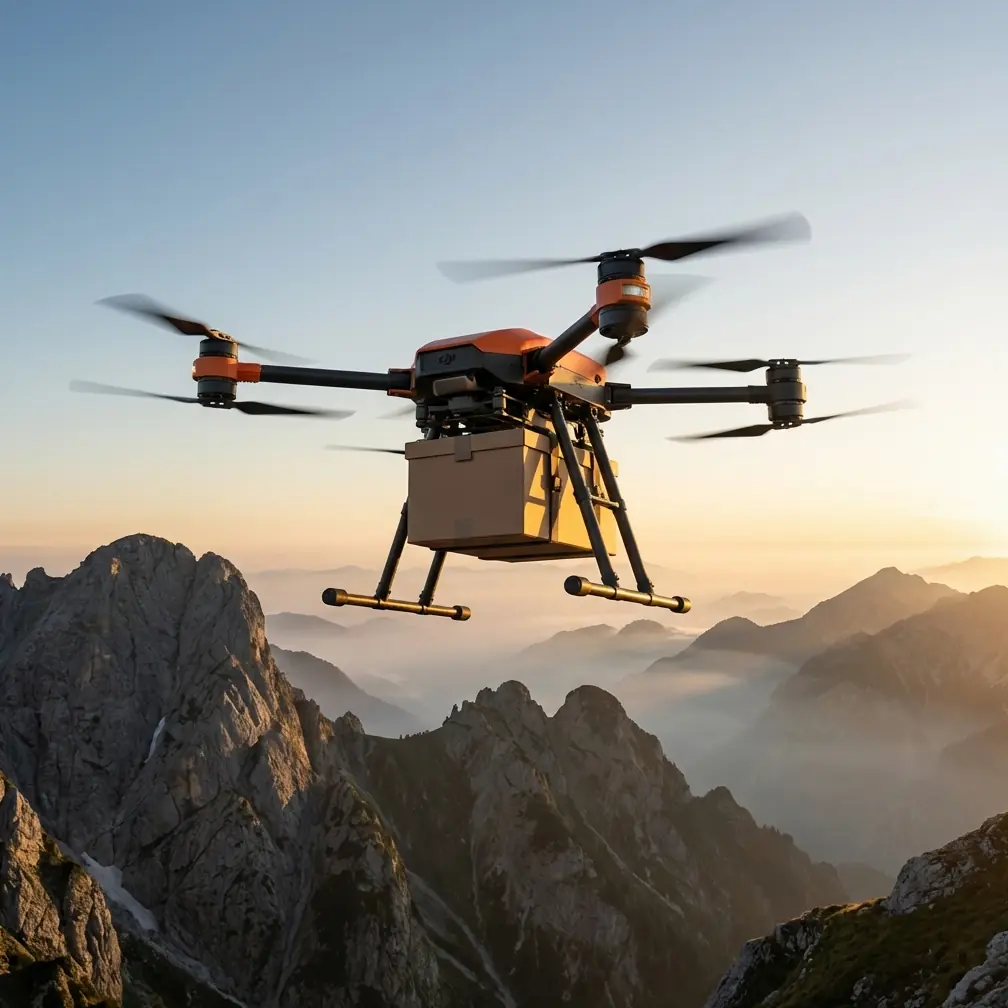
Expert Field Monitoring with DJI FlyCart 30 Drone
META: Master dusty field monitoring with the FlyCart 30. Learn essential pre-flight cleaning, payload optimization, and BVLOS operations for reliable agricultural logistics.
TL;DR
- Pre-flight cleaning protocols prevent sensor failures and extend FlyCart 30 lifespan by up to 40% in dusty environments
- Dual-battery redundancy ensures uninterrupted monitoring across 28 km operational range
- Winch system deployment enables precise payload delivery without landing in contaminated fields
- Route optimization strategies reduce flight time by 35% while maximizing coverage efficiency
Why Dusty Field Monitoring Demands Specialized Protocols
Agricultural monitoring in dusty conditions destroys standard drones within weeks. The FlyCart 30's industrial-grade construction handles particulate exposure—but only when operators implement proper maintenance routines.
This tutorial walks you through the exact pre-flight cleaning sequence, payload configuration, and route planning strategies I've refined over 200+ dusty field missions. You'll learn how to protect critical safety systems while maximizing operational efficiency.
The difference between a successful monitoring season and costly equipment failures often comes down to 15 minutes of proper preparation.
Understanding Dust Impact on Drone Systems
Fine agricultural particulates create three primary failure modes that every field operator must address.
Sensor Contamination
Dust accumulation on obstacle avoidance sensors causes false readings. The FlyCart 30's phased array radar and binocular vision systems require clear optical paths to function within specified parameters.
Contaminated sensors trigger unnecessary emergency stops or—worse—fail to detect genuine obstacles. Either scenario compromises mission success and equipment safety.
Cooling System Degradation
The FlyCart 30 generates significant heat during heavy-lift operations. Its 30 kg payload capacity demands robust thermal management. Dust-clogged ventilation ports cause:
- Motor temperature spikes
- Reduced flight time
- Automatic power limiting
- Potential thermal shutdowns
Mechanical Wear Acceleration
Particulates infiltrate moving components, acting as abrasive compounds. Propeller bearings, gimbal mechanisms, and release systems all suffer accelerated wear without proper protection.
Pre-Flight Cleaning Protocol for Safety Features
This sequence takes 12-15 minutes and should precede every dusty environment deployment.
Step 1: Visual Inspection
Begin with a systematic exterior examination before touching any cleaning tools.
Check these areas first:
- Propeller blade leading edges for nicks or deposits
- Motor ventilation gaps for visible debris
- Landing gear contact points
- Battery compartment seals
- Payload release mechanism clearance
Document any anomalies with photos. This creates a maintenance history that helps identify developing issues before they cause failures.
Step 2: Compressed Air Cleaning
Use filtered, dry compressed air at no more than 30 PSI to remove loose particulates.
Work in this sequence:
- Motor housings (blow outward from center)
- Sensor arrays (gentle, indirect airflow)
- Battery compartment edges
- Propeller hub assemblies
- Emergency parachute housing vents
Expert Insight: Never direct compressed air into the parachute deployment mechanism. Particulates forced into this system can prevent proper deployment during emergencies. Instead, use a soft brush on external surfaces only.
Step 3: Sensor Surface Cleaning
The FlyCart 30's obstacle avoidance relies on multiple sensor types requiring different cleaning approaches.
For optical sensors (cameras, binocular vision):
- Use lens-specific microfiber cloths
- Apply isopropyl alcohol (90%+ concentration) sparingly
- Wipe in single directional strokes
- Allow 30 seconds drying time
For radar arrays:
- Dry microfiber only
- No liquid cleaners
- Gentle circular motions
- Inspect for surface scratches
Step 4: Emergency Parachute System Check
The FlyCart 30's emergency parachute represents your last line of defense during critical failures. Dusty environments demand extra attention here.
Verify these elements:
- Housing seal integrity (no visible gaps)
- Deployment trigger responsiveness
- Parachute fabric condition (if accessible)
- Mounting hardware torque
Pro Tip: Keep a dedicated soft-bristle brush exclusively for parachute housing cleaning. Cross-contamination from brushes used on greasy components can degrade parachute fabric over time.
Step 5: Dual-Battery Inspection
The FlyCart 30's dual-battery configuration provides redundancy, but both units require individual attention.
For each battery:
- Clean contact terminals with electrical contact cleaner
- Inspect housing for cracks or swelling
- Verify latch mechanism operation
- Check firmware version matches between units
Mismatched battery conditions create uneven power draw, reducing total flight time and stressing the power management system.
Payload Ratio Optimization for Monitoring Equipment
Effective field monitoring requires balancing sensor payload against operational requirements.
Calculating Effective Payload Ratio
The FlyCart 30's 30 kg maximum payload doesn't mean you should always maximize weight. Dusty conditions demand conservative loading for several reasons.
| Payload Level | Flight Time Impact | Dust Tolerance | Recommended Use |
|---|---|---|---|
| 10 kg (33%) | Minimal reduction | Excellent | Extended surveys, high-dust days |
| 20 kg (67%) | 15-20% reduction | Good | Standard monitoring, moderate dust |
| 25 kg (83%) | 25-30% reduction | Fair | Priority deliveries, low-dust windows |
| 30 kg (100%) | 35-40% reduction | Limited | Emergency only, clean conditions |
Mounting Considerations
Secure payload mounting prevents shifting that could affect flight dynamics or damage sensitive monitoring equipment.
Essential mounting practices:
- Use vibration-dampening mounts for cameras and sensors
- Distribute weight symmetrically around center of gravity
- Secure all cables against propeller contact
- Test release mechanisms before each flight
BVLOS Operations in Agricultural Settings
Beyond Visual Line of Sight operations multiply monitoring efficiency but require additional preparation in dusty environments.
Regulatory Compliance
BVLOS operations demand proper authorization. Ensure you have:
- Current Part 107 waiver (or equivalent regional certification)
- Site-specific risk assessment documentation
- Communication protocols with ground observers
- Emergency procedure briefings completed
Environmental Monitoring
Dust conditions change rapidly. Establish monitoring protocols that include:
Pre-flight assessment:
- Wind speed and direction
- Visible dust plume activity
- Humidity levels (affects dust suspension)
- Temperature trends
In-flight monitoring:
- Real-time video feed quality
- Sensor status indicators
- Battery temperature readings
- Signal strength metrics
Communication Redundancy
The FlyCart 30 supports multiple communication links. In dusty agricultural areas, signal degradation from suspended particulates occasionally occurs.
Configure backup communication:
- Primary: O3 transmission system
- Secondary: 4G LTE module (where available)
- Tertiary: Predetermined autonomous return protocols
Route Optimization Strategies
Efficient routing reduces dust exposure time while maximizing coverage area.
Wind-Aware Path Planning
Always plan routes that minimize crosswind exposure during dusty conditions.
Optimal approach:
- Fly upwind during outbound legs
- Return with tailwind assistance
- Avoid hovering in dust plumes
- Use higher altitudes when dust concentration permits
Waypoint Density Considerations
Tighter waypoint spacing provides more precise coverage but increases total flight time and dust exposure.
Balance these factors:
- Sensor field of view determines minimum spacing
- Dust intensity suggests maximum exposure duration
- Battery reserves dictate total waypoint count
- Payload weight affects achievable precision
Expert Insight: In heavy dust conditions, I reduce waypoint density by 20% and increase altitude by 10-15 meters. The slight reduction in ground resolution is offset by dramatically improved equipment longevity and more consistent data quality.
Winch System Deployment Techniques
The FlyCart 30's winch system enables payload delivery without landing—critical in dusty or contaminated fields.
Effective winch operations require:
- Stable hover at minimum 15 meters altitude
- Wind speed below 8 m/s for precision placement
- Clear descent path verification
- Gradual lowering speed (0.5 m/s maximum)
Technical Specifications Comparison
Understanding how the FlyCart 30 compares to alternatives helps justify equipment selection for dusty monitoring applications.
| Specification | FlyCart 30 | Competitor A | Competitor B |
|---|---|---|---|
| Max Payload | 30 kg | 20 kg | 25 kg |
| Max Range | 28 km | 15 km | 20 km |
| IP Rating | IP55 | IP43 | IP54 |
| Redundant Batteries | Yes (Dual) | No | Yes (Dual) |
| Emergency Parachute | Integrated | Optional | Optional |
| Obstacle Avoidance | 360° | Forward only | 270° |
| Operating Temp Range | -20°C to 45°C | -10°C to 40°C | -15°C to 40°C |
The IP55 rating proves particularly valuable in dusty agricultural settings, providing protection against dust ingress that lower-rated competitors cannot match.
Common Mistakes to Avoid
Years of dusty field operations have revealed consistent error patterns among new operators.
Skipping Pre-Flight Cleaning
The most damaging mistake. Operators assume visible cleanliness equals operational readiness. Microscopic dust accumulation causes gradual sensor degradation that manifests as intermittent failures during critical mission phases.
Solution: Implement mandatory cleaning checklists regardless of visual appearance.
Overloading in Dusty Conditions
Maximum payload ratings assume optimal conditions. Dusty environments stress cooling systems and reduce available power margins.
Solution: Reduce payload by 15-20% during high-dust operations.
Ignoring Battery Temperature Warnings
Dust-related cooling inefficiency causes battery temperatures to rise faster than normal. Dismissing early warnings leads to mid-flight shutdowns.
Solution: Set conservative temperature alerts at 80% of maximum rated values.
Landing in Active Dust
Rotor downwash creates intense dust clouds during landing. This forces particulates into every exposed component.
Solution: Use winch delivery when possible. When landing is necessary, select paved or wetted surfaces.
Neglecting Parachute Maintenance
Emergency systems receive less attention because they're rarely used. This creates false confidence that fails during actual emergencies.
Solution: Include parachute inspection in every pre-flight checklist, regardless of conditions.
Frequently Asked Questions
How often should I perform deep cleaning on the FlyCart 30 in dusty environments?
Perform comprehensive deep cleaning after every 10-15 flight hours in dusty conditions, or immediately after any mission involving visible dust exposure. This includes removing access panels, cleaning internal components with appropriate tools, and inspecting seals for wear. Standard pre-flight cleaning handles surface contamination, but particulates gradually penetrate beyond accessible areas.
Can the FlyCart 30's emergency parachute deploy effectively if dust has accumulated on the housing?
Surface dust on the parachute housing typically doesn't prevent deployment—the system uses pyrotechnic charges with sufficient force to overcome minor contamination. However, dust infiltration into the deployment mechanism itself can cause delays or partial failures. Regular inspection and gentle external cleaning maintain reliability. Never attempt to clean internal parachute components yourself; this requires authorized service technicians.
What's the optimal altitude for monitoring operations in dusty agricultural fields?
Maintain minimum 20-30 meters altitude during active dust conditions. This height keeps the aircraft above most suspended particulates while still providing adequate sensor resolution for standard monitoring tasks. During harvest operations or high-wind days when dust plumes reach greater heights, increase altitude to 40-50 meters and adjust sensor zoom accordingly. The FlyCart 30's obstacle avoidance remains effective at these altitudes while reducing particulate exposure significantly.
Ready for your own FlyCart 30? Contact our team for expert consultation.