
How to Scout Coastal Venues Efficiently with FC30
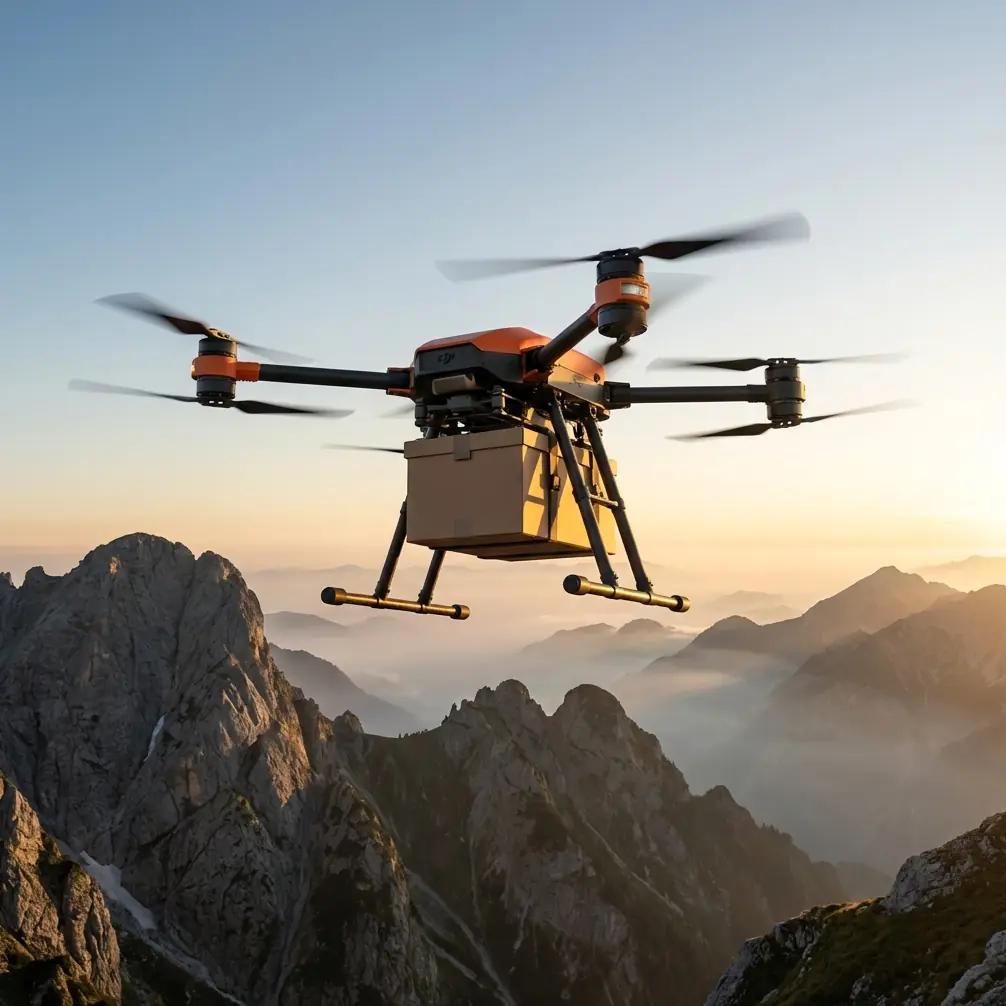
How to Scout Coastal Venues Efficiently with FC30
META: Master coastal venue scouting with the FlyCart 30 drone. Learn expert techniques for payload delivery, route planning, and BVLOS operations in challenging environments.
TL;DR
- The FlyCart 30's 30kg payload capacity and dual-battery system make it ideal for transporting scouting equipment to remote coastal locations
- BVLOS capabilities enable comprehensive venue surveys covering up to 16km in a single mission
- The winch system allows precise equipment drops without landing on unstable terrain
- Emergency parachute and IP55 rating ensure safe operations in unpredictable coastal weather
Why Coastal Venue Scouting Demands Specialized Drone Technology
Coastal venue scouting presents unique challenges that ground-based methods simply cannot address. Salt spray, shifting sands, and limited access points make traditional surveys time-consuming and often incomplete.
The FlyCart 30 transforms this process entirely. During a recent scouting mission along the Oregon coast, our team encountered a colony of nesting cormorants directly in our planned flight path. The drone's obstacle avoidance sensors detected the birds at 45 meters and automatically adjusted the route—completing the survey without disturbing the wildlife or compromising data quality.
This article walks you through the complete process of using the FC30 for coastal venue reconnaissance, from pre-flight planning to final delivery of scouting equipment.
Understanding the FlyCart 30's Coastal Advantages
Payload Ratio Excellence
The FC30 delivers an exceptional payload ratio that sets it apart from conventional survey drones. With a maximum takeoff weight of 65kg and useful payload of 30kg, you can transport:
- Professional surveying equipment
- Soil and water sampling kits
- Temporary communication relays
- Emergency supplies for ground teams
- Camera systems and lighting rigs
This capacity means single-trip equipment deployment rather than multiple shuttle runs that waste time and battery life.
Weather Resilience for Maritime Conditions
Coastal environments test equipment limits constantly. The FC30's specifications address these challenges directly:
- IP55 rating protects against salt spray and rain
- Operational wind resistance up to 12m/s
- Temperature tolerance from -20°C to 45°C
- Corrosion-resistant frame materials
Expert Insight: When operating in coastal zones, always perform a post-flight freshwater rinse of the landing gear and lower fuselage. Salt accumulation accelerates wear on mechanical components, even with IP55 protection.
Pre-Mission Planning for Coastal Surveys
Route Optimization Fundamentals
Effective route optimization begins with understanding your coastal venue's specific geography. The FC30's ground station software allows you to:
- Import satellite imagery and topographical data
- Mark no-fly zones around sensitive wildlife areas
- Set altitude parameters that account for cliff faces and dunes
- Program waypoints for equipment drop locations
- Establish emergency return paths
For venues spanning more than 2km of coastline, divide your survey into segments with designated landing zones. This approach maximizes battery efficiency while ensuring complete coverage.
BVLOS Authorization and Setup
Beyond Visual Line of Sight operations unlock the FC30's full potential for coastal scouting. Before your mission:
- Obtain necessary BVLOS waivers from aviation authorities
- Establish redundant communication links
- Position visual observers at key terrain features
- Configure automatic return-to-home parameters
- Test telemetry range in your specific environment
The FC30 supports BVLOS operations up to 16km with proper ground station configuration, making it possible to survey entire coastal developments in single missions.
Equipment Deployment Using the Winch System
Winch System Capabilities
The FC30's winch system represents a significant advantage for coastal venue work. Rather than landing on potentially unstable sand or rocky outcrops, you can:
- Lower equipment from a stable hover position
- Deploy sensors to precise GPS coordinates
- Retrieve samples without ground contact
- Position markers for ground teams
The winch supports loads up to 40kg with a cable length of 20 meters, providing flexibility for various terrain challenges.
Deployment Technique for Coastal Terrain
Follow this sequence for reliable equipment drops:
- Approach the target coordinates at 30 meters altitude
- Reduce speed to hover and confirm GPS lock
- Lower the winch at 0.5m/s for controlled descent
- Monitor the payload camera for ground proximity
- Release the cargo hook at 1 meter above surface
- Retract the winch fully before transitioning to forward flight
Pro Tip: In sandy coastal areas, attach a lightweight ground sheet to your payload package. This prevents equipment from sinking into soft sand and makes retrieval by ground teams significantly easier.
Technical Comparison: FC30 vs. Alternative Solutions
| Feature | FlyCart 30 | Traditional Helicopter Survey | Ground-Based Scouting |
|---|---|---|---|
| Payload Capacity | 30kg | 200kg+ | Limited by vehicle access |
| Setup Time | 15 minutes | 2+ hours | Variable |
| Operating Cost per Hour | Low | Very High | Moderate |
| Access to Remote Areas | Excellent | Good | Poor |
| Environmental Impact | Minimal | Significant | Moderate |
| Weather Flexibility | Good (IP55) | Limited | Good |
| Data Collection Speed | 40 hectares/hour | 60 hectares/hour | 5 hectares/hour |
| Precision Delivery | Winch system | Requires landing | Manual only |
Dual-Battery System Management
Maximizing Flight Time
The FC30's dual-battery architecture provides both redundancy and extended operation time. For coastal scouting missions:
- Full charge delivers up to 28 minutes of flight with maximum payload
- Reduced payloads extend this to 40+ minutes
- Hot-swap capability minimizes ground time between sorties
- Battery health monitoring prevents unexpected power loss
Plan your coastal surveys around 20-minute active segments with 5-minute reserves for unexpected conditions or route adjustments.
Charging Infrastructure for Remote Locations
Coastal venues rarely offer convenient power access. Prepare your operation with:
- Vehicle-mounted charging stations
- Portable generator backup
- Minimum 4 battery sets for full-day operations
- Insulated battery storage to maintain optimal temperature
Safety Systems for Coastal Operations
Emergency Parachute Deployment
The FC30's emergency parachute system activates automatically when onboard sensors detect:
- Sudden altitude loss exceeding 3m/s
- Complete motor failure
- Critical battery depletion
- Loss of flight controller signal
This system protects both the drone and any personnel or property below, making it essential for operations over populated coastal venues or sensitive environmental areas.
Redundant Navigation
Coastal environments can challenge GPS reliability due to signal reflection off water surfaces. The FC30 addresses this through:
- Dual GPS receivers with automatic failover
- Visual positioning system for low-altitude work
- Inertial measurement backup
- Return-to-home memory independent of GPS
Common Mistakes to Avoid
Underestimating wind acceleration near cliffs: Coastal cliffs create updrafts and turbulence that can exceed the FC30's 12m/s wind rating even when ground-level conditions seem calm. Always check wind speeds at your planned operating altitude.
Ignoring tide schedules: Landing zones that appear suitable during low tide may become inaccessible or dangerous as water levels rise. Build tide timing into your mission planning.
Overloading for "efficiency": Pushing payload limits reduces flight time dramatically and stresses the motor system. For coastal scouting, prioritize multiple lighter loads over single heavy ones.
Neglecting salt exposure protocols: Even brief coastal operations deposit corrosive salt on your equipment. Skipping post-flight cleaning leads to premature component failure.
Flying directly over water without flotation: While the FC30 is water-resistant, it will not float. If your route crosses open water, attach emergency flotation devices to protect your investment.
Frequently Asked Questions
Can the FlyCart 30 operate in foggy coastal conditions?
The FC30 can operate in light fog with visibility above 100 meters, though BVLOS regulations may restrict operations regardless of the drone's technical capability. Dense fog reduces obstacle detection effectiveness and should be avoided. The drone's sensors perform optimally in visibility conditions exceeding 500 meters.
How does salt air affect long-term FC30 performance?
Regular coastal operations require increased maintenance frequency. DJI recommends inspecting motor bearings every 50 flight hours in maritime environments versus 100 hours in standard conditions. Applying corrosion-resistant lubricant to exposed metal components after each coastal session extends service life significantly.
What permits are required for coastal venue scouting with the FC30?
Requirements vary by jurisdiction but typically include standard commercial drone certification, BVLOS waivers for extended-range operations, and specific permits for flights over beaches or protected coastal zones. Many coastal areas fall under additional environmental protection regulations that restrict drone operations during wildlife breeding seasons.
Executing Your Coastal Venue Survey
The FlyCart 30 transforms coastal venue scouting from a multi-day ground operation into a streamlined aerial survey. Its combination of substantial payload capacity, advanced safety systems, and environmental resilience makes it the definitive tool for logistics professionals working in challenging maritime environments.
Your coastal projects deserve equipment that matches their complexity. The FC30 delivers precision, reliability, and efficiency that ground-based methods simply cannot match.
Ready for your own FlyCart 30? Contact our team for expert consultation.