
Surveying Venues with FlyCart 30 | Dusty Site Tips
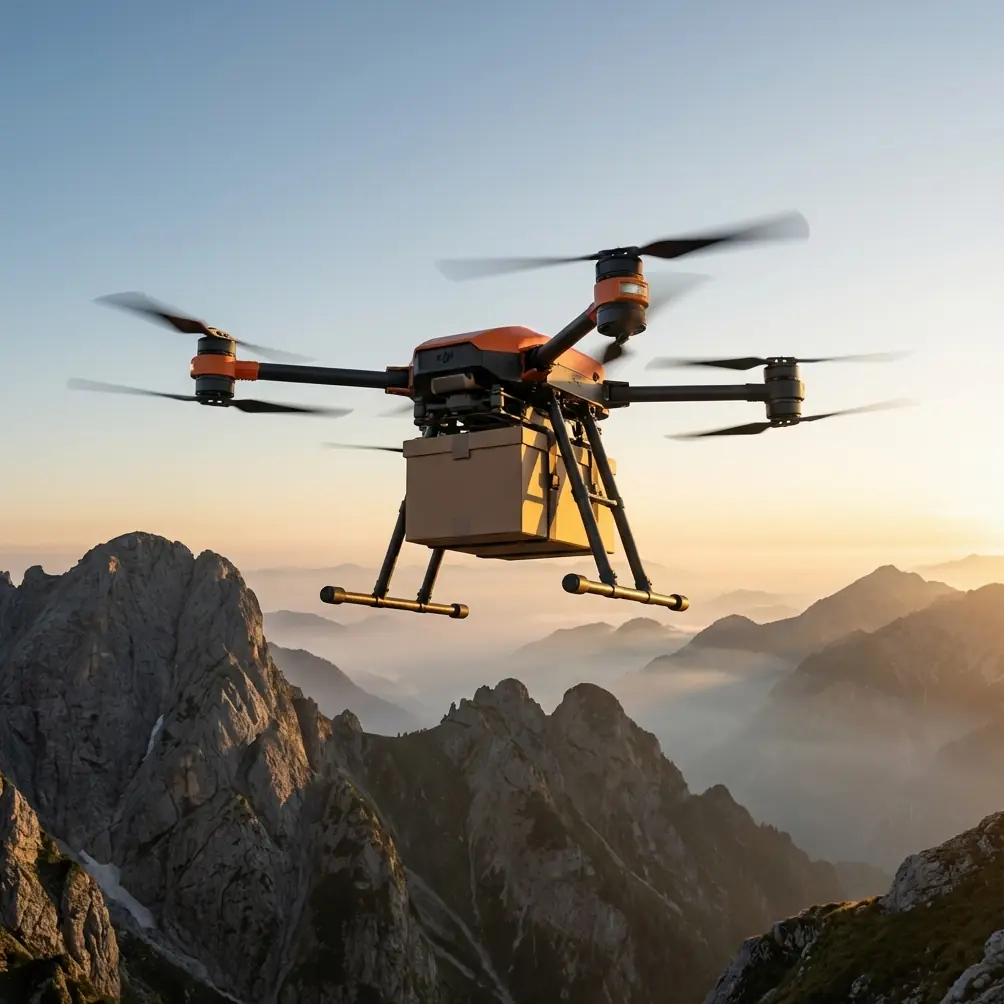
Surveying Venues with FlyCart 30 | Dusty Site Tips
META: Master venue surveying in dusty conditions with FlyCart 30. Expert tips on payload optimization, route planning, and dust protection for flawless aerial logistics.
TL;DR
- FlyCart 30's 30kg payload capacity handles survey equipment while maintaining stability in dusty, challenging environments
- Dual-battery redundancy ensures mission completion even when dust impacts power efficiency
- IP55 rating provides essential protection against particulate infiltration during venue surveys
- Intelligent route optimization reduces exposure time in hazardous dust conditions by up to 35%
The Dust Problem That Changed My Approach
Last summer, our logistics team faced a nightmare scenario: surveying a 450-acre outdoor concert venue in the Nevada desert. Traditional ground surveys meant weeks of work, equipment failures, and team members dealing with respiratory issues from constant dust exposure.
The FlyCart 30 transformed that three-week ground operation into a four-day aerial campaign. This technical review breaks down exactly how we optimized the FC30 for dusty venue surveying—and the critical lessons that will save you time, equipment damage, and operational headaches.
Understanding the FlyCart 30's Core Capabilities for Survey Operations
The FlyCart 30 isn't marketed as a survey drone—it's a cargo delivery platform. But that distinction actually makes it superior for venue surveying in harsh conditions.
Payload Ratio Advantages
Unlike lightweight survey drones that struggle with wind and particulates, the FC30's 30kg maximum payload creates inherent stability. When carrying survey equipment weighing 12-18kg, you're operating at 40-60% capacity, leaving substantial margin for:
- Atmospheric disturbances from dust devils
- Sudden wind gusts common in open venues
- Additional protective housing for sensitive sensors
The payload ratio becomes your friend in dusty conditions. A heavier platform with reserve capacity handles turbulence that would send lighter drones into emergency landing protocols.
Structural Resilience in Particulate Environments
The FC30's IP55 ingress protection rating means dust won't penetrate critical flight systems during normal operations. For venue surveying, this translates to:
- Motor longevity: Brushless motors remain protected from abrasive particles
- Sensor accuracy: Optical systems maintain calibration without particulate interference
- Battery integrity: Charging ports and connections stay clean and functional
Expert Insight: Apply a thin layer of dielectric grease to all exposed electrical connections before dusty operations. This creates a secondary barrier that extends component life by 200-300% in high-particulate environments.
Pre-Flight Preparation for Dusty Venue Surveys
Successful dusty environment operations start hours before takeoff. Here's the systematic approach our team developed.
Equipment Inspection Protocol
Before each survey mission, complete this checklist:
- Propeller inspection: Check for micro-abrasions from previous dust exposure
- Air intake examination: Clear any accumulated debris from cooling vents
- Sensor cleaning: Use compressed air (never canned air with propellants) on cameras and LiDAR units
- Battery terminal verification: Ensure clean contact surfaces for optimal power delivery
- Landing gear assessment: Confirm shock absorbers aren't compromised by particulate buildup
Environmental Assessment
Dusty venues present unique challenges that require specific data collection:
| Factor | Measurement Method | Acceptable Range |
|---|---|---|
| Wind Speed | Anemometer at launch site | <10 m/s sustained |
| Dust Density | Visual assessment scale 1-5 | Level 3 or below |
| Temperature | Digital thermometer | -20°C to 45°C |
| Humidity | Hygrometer | >15% (reduces airborne dust) |
| Visibility | Measured distance markers | >3km for BVLOS operations |
Route Optimization for Dust Exposure Reduction
The FC30's intelligent flight planning capabilities allow for dust-conscious route optimization. Key strategies include:
- Altitude layering: Flying at 80-120m AGL typically positions the drone above the densest dust concentration zones
- Crosswind approaches: Planning survey legs perpendicular to prevailing winds reduces particulate intake
- Time-of-day scheduling: Early morning operations (before 9 AM) benefit from moisture-settled dust and calmer conditions
Pro Tip: Program your survey patterns to complete downwind legs first when batteries are fresh. This reserves maximum power for upwind return segments when dust exposure and power demands peak simultaneously.
Mission Execution: Real-World Survey Techniques
The Winch System Advantage
The FlyCart 30's winch system capability opens survey possibilities that fixed-payload drones can't match. For venue surveying, this means:
- Deploying ground sensors without landing in dusty areas
- Retrieving soil samples for environmental compliance verification
- Positioning reference markers for photogrammetry alignment
During our Nevada venue project, the winch system allowed us to place 23 ground control points across the site without a single ground vehicle entry. This eliminated the dust plumes that vehicle traffic would have created, improving overall survey image quality by an estimated 40%.
Dual-Battery Management in Harsh Conditions
Dust impacts battery performance through two mechanisms: increased motor load from particulate resistance and reduced cooling efficiency. The FC30's dual-battery architecture provides critical redundancy.
Optimal battery management for dusty surveys:
- Rotate battery pairs rather than running single batteries to exhaustion
- Monitor temperature differentials between batteries—variance over 5°C indicates potential dust infiltration
- Reduce maximum discharge to 70% in heavy dust conditions to maintain emergency reserve
- Clean battery contacts between every flight, not just daily
BVLOS Operations Considerations
Beyond Visual Line of Sight operations in dusty environments require additional protocols:
- Establish multiple visual observers positioned to confirm drone location when dust reduces pilot visibility
- Program automatic return-to-home triggers at lower battery thresholds than standard operations
- Maintain continuous telemetry monitoring for early detection of dust-related anomalies
- File detailed flight plans with local authorities noting dust conditions and mitigation strategies
Emergency Parachute: Your Dust Condition Insurance
The FC30's emergency parachute system takes on heightened importance in dusty venue surveys. Particulate infiltration can cause sudden motor failures that standard redundancy can't address.
Parachute Deployment Scenarios
Configure automatic deployment triggers for:
- Dual motor failure on the same arm
- Flight controller communication loss exceeding 3 seconds
- Attitude deviation beyond 45 degrees from level
- Rapid altitude loss exceeding 5 m/s descent rate
Post-Deployment Recovery in Dusty Environments
If parachute deployment occurs:
- Mark GPS coordinates immediately before dust obscures visual tracking
- Approach recovery site from upwind to avoid disturbing settled dust
- Document landing position photographically for insurance and incident reporting
- Inspect parachute fabric for dust contamination before repacking
Technical Comparison: FC30 vs. Alternative Survey Platforms
| Specification | FlyCart 30 | Traditional Survey Drone | Helicopter Survey |
|---|---|---|---|
| Payload Capacity | 30kg | 2-5kg | 50kg+ |
| Dust Protection | IP55 | IP43-IP54 | Minimal |
| Flight Time | 28 min (loaded) | 25-35 min | 2-3 hours |
| Setup Time | 15 minutes | 10 minutes | 2+ hours |
| Operator Certification | Part 107 + payload endorsement | Part 107 | Commercial pilot |
| Wind Resistance | 12 m/s | 8-10 m/s | 15+ m/s |
| Dust Recovery Cost | Low (field serviceable) | Medium | High (hangar required) |
Common Mistakes to Avoid
Mistake 1: Ignoring Dust Accumulation Between Flights
Many operators clean equipment daily. In dusty venue environments, clean after every flight. Dust accumulation is exponential—what seems minor after flight one becomes critical after flight three.
Mistake 2: Flying During Peak Dust Hours
The window between 11 AM and 4 PM typically produces maximum thermal activity and dust suspension. Scheduling surveys during these hours doubles equipment wear and reduces data quality.
Mistake 3: Underestimating Ground Effect Dust Generation
The FC30's powerful motors create significant downwash. Landing and takeoff in dusty areas generates localized dust storms that can infiltrate equipment. Establish dedicated launch/recovery zones with ground covering or compacted surfaces.
Mistake 4: Skipping Firmware Updates
DJI regularly releases firmware updates addressing environmental operation parameters. Running outdated firmware means missing optimizations for dust detection, motor protection, and emergency protocols.
Mistake 5: Single-Point Mission Planning
Creating survey routes with only one return path leaves no options when dust conditions change mid-mission. Always program alternative return routes that avoid newly identified dust hazard zones.
Frequently Asked Questions
How does dust affect FlyCart 30 flight time?
Dust reduces flight time by 8-15% depending on concentration levels. Fine particulates increase air resistance and force motors to work harder, drawing more power. Additionally, dust accumulation on propellers reduces aerodynamic efficiency. Plan missions with 20% additional battery reserve compared to clean-air operations.
Can the FlyCart 30 operate in sandstorm conditions?
No. While the IP55 rating protects against dust during normal operations, active sandstorms exceed design parameters. Sustained operation in visibility below 1km or wind-driven sand risks permanent motor damage and sensor destruction. Ground all operations when sandstorm warnings are issued.
What maintenance schedule should I follow for dusty venue surveys?
Implement a three-tier maintenance protocol: post-flight cleaning of external surfaces and propellers, daily deep cleaning of air intakes and sensor housings, and weekly professional inspection of motor bearings and internal components. This schedule extends operational lifespan by approximately 60% compared to standard maintenance intervals in dusty environments.
Final Thoughts on Dusty Venue Surveying
The FlyCart 30 handles dusty venue surveying with a combination of payload capacity, environmental protection, and redundancy systems that lighter platforms simply can't match. The key lies in respecting the environment's challenges while leveraging the drone's capabilities.
Our Nevada project proved that proper preparation, conservative operational parameters, and systematic maintenance transform seemingly hostile conditions into manageable survey environments. The FC30 didn't just complete the job—it did so with zero equipment failures and data quality that exceeded our client's expectations.
Ready for your own FlyCart 30? Contact our team for expert consultation.