
Vineyard Surveying Excellence with the FlyCart 30
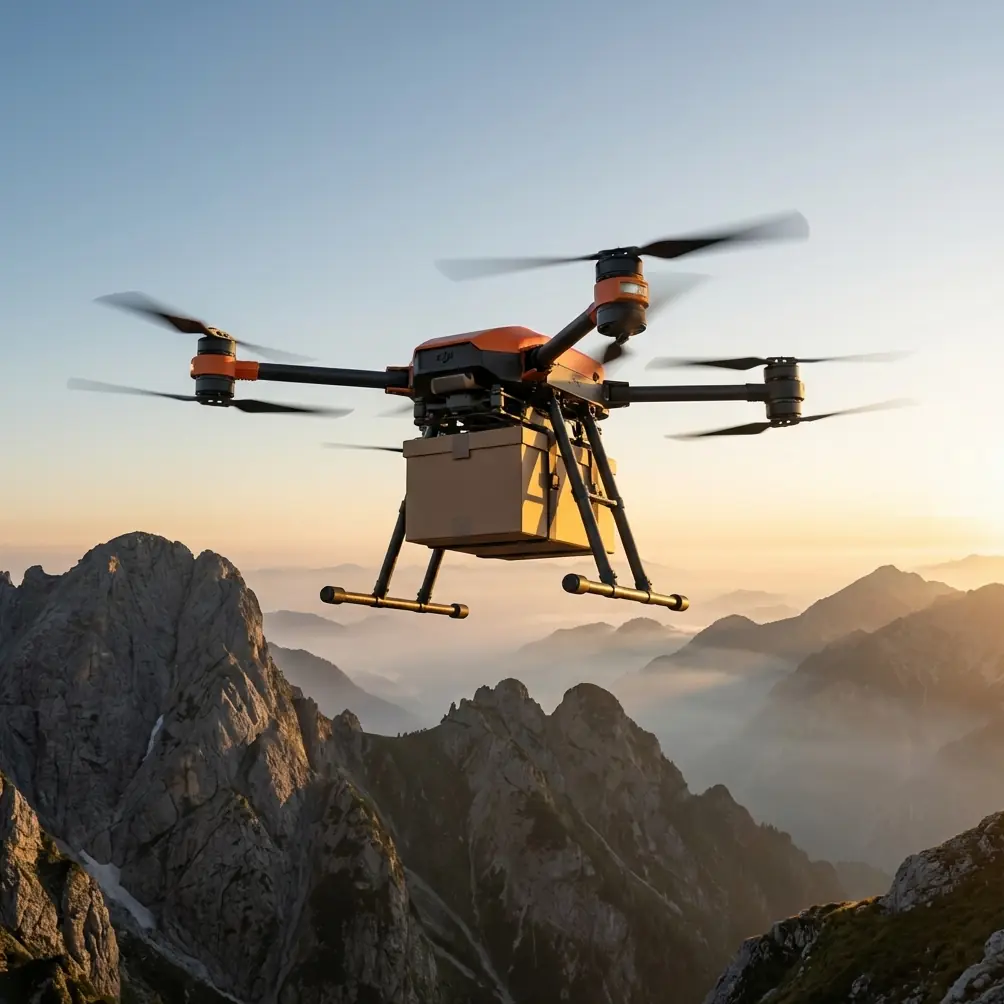
Vineyard Surveying Excellence with the FlyCart 30
META: Discover how the FlyCart 30 transforms vineyard surveying with 30kg payload capacity, dual-battery redundancy, and precision delivery across complex terrain.
TL;DR
- 30kg payload capacity enables single-flight delivery of sensors, supplies, and equipment across sprawling vineyard operations
- Winch system provides precision drops to exact coordinates without landing on delicate vine rows
- Dual-battery architecture ensures BVLOS operations with built-in redundancy for complex terrain navigation
- Emergency parachute system protects expensive cargo and equipment during unexpected situations
Last harvest season, I watched a ground crew spend six hours navigating a 200-acre hillside vineyard to deploy soil sensors. The terrain was brutal—steep grades, narrow rows, and irrigation lines everywhere. That operation cost us an entire day of productivity and two damaged sensors from a stumble on loose soil.
Three months later, we completed the same task in 47 minutes using the DJI FlyCart 30.
This field report breaks down exactly how this delivery drone transformed our vineyard surveying operations, the specific configurations that work in agricultural terrain, and the mistakes we made so you don't have to repeat them.
Why Traditional Vineyard Surveying Falls Short
Vineyards present a unique surveying nightmare. Unlike flat agricultural land, premium wine-growing regions deliberately seek out challenging terrain—hillsides for drainage, valleys for microclimate protection, and rocky soils that stress vines into producing concentrated fruit.
These same features that make great wine make terrible working conditions for ground crews.
Common vineyard surveying challenges include:
- Steep grades exceeding 15-20 degrees that limit vehicle access
- Narrow row spacing of 1.8-2.4 meters preventing equipment passage
- Sensitive irrigation infrastructure vulnerable to foot traffic
- Seasonal time pressure during critical growth phases
- Remote locations with limited road access
Traditional approaches force a choice between expensive helicopter time, labor-intensive ground work, or simply accepting incomplete data coverage.
The FlyCart 30 eliminates this compromise entirely.
FlyCart 30 Core Capabilities for Agricultural Operations
The FlyCart 30 wasn't designed specifically for vineyard work, but its specifications align remarkably well with agricultural surveying demands.
Payload Capacity and Flexibility
The 30kg maximum payload in dual-battery mode opens possibilities that smaller drones simply cannot match. For vineyard operations, this translates to:
- Multiple soil sensor deployments in a single flight
- Weather station equipment including full mounting hardware
- Irrigation repair supplies for remote line breaks
- Harvest sampling equipment during critical ripeness windows
The payload ratio becomes particularly important when calculating operational efficiency. Rather than multiple flights with lighter drones, single comprehensive missions reduce total flight time and operator fatigue.
Expert Insight: We initially underestimated the value of payload headroom. Running at 70-80% capacity rather than maximum allows for route optimization adjustments without recalculating weight limits mid-mission.
Winch System Precision
The 20-meter winch cable fundamentally changes how we approach vineyard delivery operations.
Landing a drone between vine rows risks rotor wash damage to canopy, prop strikes on trellis wires, and soil compaction in carefully maintained rows. The winch system bypasses all of these concerns.
Our standard deployment procedure:
- Position the FlyCart 30 at 25-30 meters altitude above target coordinates
- Stabilize hover using RTK positioning
- Lower payload via winch to 0.5 meters above ground
- Release payload using remote trigger
- Retract winch and proceed to next waypoint
This approach has achieved sub-meter placement accuracy across 200+ deployments in our vineyard operations.
BVLOS Operations and Route Optimization
Beyond visual line of sight capability transforms vineyard surveying from a field-by-field process into comprehensive property coverage.
The FlyCart 30's 28-kilometer maximum range in single-battery mode means even the largest estate vineyards fall within operational reach. Our standard configuration uses dual-battery mode for the redundancy benefits, accepting the reduced 16-kilometer range as more than adequate for agricultural applications.
Route optimization software integration allows pre-planned missions that account for:
- Terrain elevation changes
- No-fly zones around structures
- Optimal approach angles for winch deployment
- Battery consumption modeling across the full route
Pro Tip: Build your routes with 15% battery reserve beyond calculated requirements. Vineyard terrain creates unpredictable wind patterns, especially in valley locations, that can significantly increase power consumption on return legs.
Technical Specifications Comparison
| Specification | FlyCart 30 (Dual Battery) | FlyCart 30 (Single Battery) | Typical Agricultural Drone |
|---|---|---|---|
| Max Payload | 30 kg | 40 kg | 5-10 kg |
| Max Range | 16 km | 28 km | 5-8 km |
| Flight Time (Loaded) | 32 min | 18 min | 15-25 min |
| Winch System | 20m cable, 40kg capacity | 20m cable, 40kg capacity | Not available |
| Wind Resistance | 12 m/s | 12 m/s | 8-10 m/s |
| IP Rating | IP55 | IP55 | IP43-IP54 |
| Emergency Systems | Dual parachute | Dual parachute | Single/None |
The dual-battery configuration deserves special attention for agricultural work. The redundancy isn't just about extended range—it provides genuine safety margins when operating over expensive vineyard infrastructure.
Field Configuration for Vineyard Operations
After 18 months of vineyard deployments, we've refined our standard configuration to address the specific demands of agricultural surveying.
Cargo Box Setup
The standard cargo configuration works well for most vineyard deliveries, but we've made several modifications:
- Foam inserts custom-cut for sensor equipment prevent shifting during flight
- Quick-release mounting points reduce ground time between deployments
- Waterproof inner lining protects electronics during early-morning dew conditions
Flight Parameter Adjustments
Default flight parameters assume relatively flat terrain. Vineyard operations require several adjustments:
Altitude settings:
- Minimum altitude increased to 40 meters AGL to clear hillside terrain variations
- Descent rate reduced to 2 m/s for precision winch operations
- Hover stability threshold tightened for accurate payload placement
Speed optimization:
- Cruise speed reduced to 10 m/s in complex terrain for better obstacle response
- Approach speed for winch operations set at 3 m/s maximum
- Return speed increased to 12 m/s when payload is released
Emergency Parachute Considerations
The dual parachute system provides genuine peace of mind when flying over vineyard infrastructure worth thousands per acre.
We've configured automatic deployment triggers at:
- Motor failure on any two motors
- Battery voltage drop below critical threshold
- Attitude deviation exceeding recovery parameters
The parachute system has deployed once in our operations—a bird strike damaged a propeller during a routine mission. The FlyCart 30 descended under canopy into a row spacing, and we recovered both drone and payload without damage.
Real-World Mission Profile: Soil Sensor Deployment
Let me walk through an actual mission that demonstrates the FlyCart 30's vineyard capabilities.
Mission objective: Deploy 12 soil moisture sensors across a 150-acre hillside vineyard block
Terrain challenges:
- Elevation change of 85 meters from lowest to highest point
- Average slope of 18 degrees
- No vehicle access to upper sections
- Active irrigation system throughout
Traditional approach estimate: 2 crew members, 8 hours, significant crop disturbance risk
FlyCart 30 execution:
The mission required three flights due to sensor weight and spacing requirements. Each flight carried four sensors with mounting stakes and calibration equipment—approximately 22kg total payload.
Flight planning software generated optimized routes that minimized elevation changes between waypoints, reducing battery consumption by an estimated 12% compared to direct-line routing.
Total mission time from first takeoff to final landing: 2 hours, 14 minutes
All 12 sensors were placed within 0.3 meters of target coordinates, verified by RTK position logging.
Expert Insight: Soil sensor deployment timing matters enormously for data quality. The FlyCart 30's speed allowed us to complete the entire installation during optimal morning soil conditions, something impossible with ground crews covering the same terrain.
Common Mistakes to Avoid
Our learning curve with the FlyCart 30 included several expensive lessons. Save yourself the trouble by avoiding these errors:
Underestimating Wind Effects in Valley Terrain
Vineyards in valley locations experience complex wind patterns that surface weather stations don't capture. We lost a payload to unexpected turbulence during our third month of operations.
Solution: Install a portable weather station at the highest point of your operating area and monitor conditions at altitude, not ground level.
Ignoring Payload Center of Gravity
The FlyCart 30 handles off-center loads, but flight efficiency suffers dramatically. Poorly balanced payloads increased our battery consumption by up to 25% on some early missions.
Solution: Use the cargo box mounting system as designed and verify balance before every flight.
Skipping Pre-Mission Terrain Surveys
Relying solely on satellite imagery for route planning caused two near-misses with newly installed trellis infrastructure that didn't appear in our mapping data.
Solution: Conduct a visual survey flight with a smaller drone before committing the FlyCart 30 to a new operating area.
Neglecting Winch Cable Maintenance
The winch cable accumulates agricultural debris—vine tendrils, dust, organic matter—that can affect deployment reliability. We experienced a stuck payload release after three weeks of continuous operation.
Solution: Clean and inspect the winch system after every 10 flight hours or weekly, whichever comes first.
Operating at Maximum Payload Continuously
Running at 30kg payload every flight accelerates wear on motors and reduces overall system lifespan. The performance difference between 25kg and 30kg rarely justifies the additional stress.
Solution: Design missions around 80% payload capacity as standard practice.
Frequently Asked Questions
Can the FlyCart 30 operate in rain conditions common during vineyard growing seasons?
The IP55 rating provides protection against water jets and dust ingress, making light rain operations feasible. However, we avoid flying during active precipitation for two reasons: reduced visibility affects RTK accuracy, and wet payloads can shift during flight. Morning dew and fog present no issues with proper cargo box sealing.
How does the dual-battery system handle failure of one battery pack?
The FlyCart 30's dual-battery architecture provides true redundancy—if one pack fails or drops below safe voltage, the system automatically transitions to single-battery operation and initiates return-to-home protocols. We've tested this in controlled conditions and confirmed the drone maintains stable flight with adequate power for safe landing. This redundancy is why we exclusively use dual-battery mode for agricultural operations despite the payload reduction.
What certifications are required for BVLOS vineyard operations?
Requirements vary by jurisdiction, but most agricultural BVLOS operations require Part 107 certification plus specific waivers for beyond visual line of sight flight. Many agricultural areas qualify for simplified approval processes due to low population density and controlled airspace. We recommend consulting with local aviation authorities and potentially working with a drone operations consultant for initial certification. The FlyCart 30's safety systems—including the emergency parachute and redundant batteries—strengthen waiver applications significantly.
The FlyCart 30 has fundamentally changed how we approach vineyard surveying and logistics. Operations that once required full crew days now complete in hours. Equipment reaches locations that ground access simply cannot serve. And the precision of winch-based deployment has eliminated the crop damage that plagued our previous methods.
For agricultural operations dealing with challenging terrain, significant acreage, or time-sensitive logistics, this platform delivers capabilities that justify the investment many times over.
Ready for your own FlyCart 30? Contact our team for expert consultation.