
FlyCart 30 Vineyard Surveying Tips for Complex Terrain
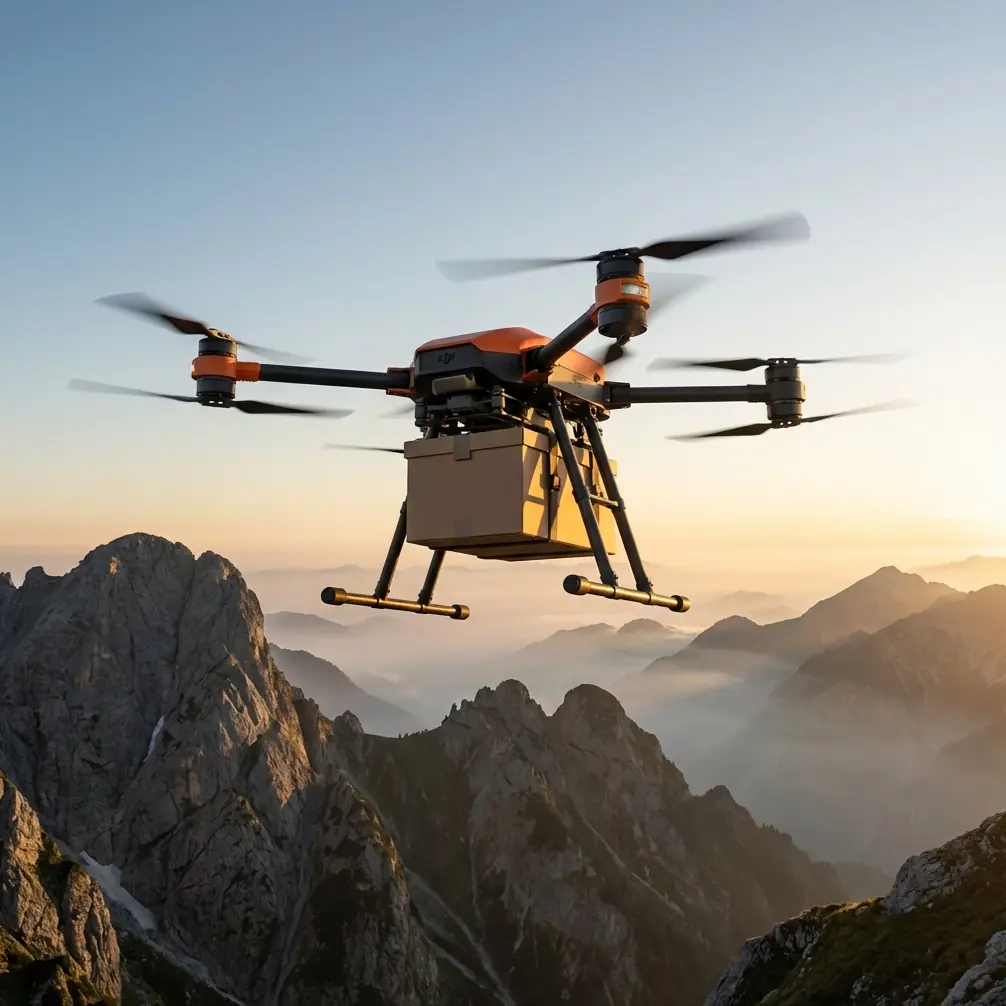
FlyCart 30 Vineyard Surveying Tips for Complex Terrain
META: Learn how to use the FlyCart 30 drone for vineyard surveying in complex terrain. Expert tips on route optimization, payload management, and BVLOS operations.
By Alex Kim, Logistics Lead
TL;DR
- The FlyCart 30's dual-battery system and winch system make it uniquely suited for delivering supplies and surveying across steep, uneven vineyard landscapes where ground vehicles fail.
- Proper route optimization across hillside rows can reduce flight cycles by up to 35% compared to manual planning.
- Its emergency parachute and redundant safety architecture let you operate confidently in BVLOS vineyard corridors that stretch beyond visual line of sight.
- This guide walks you through a complete how-to for setting up, flying, and optimizing FlyCart 30 missions in vineyard environments with complex terrain.
Why Vineyard Surveying Demands a Specialized Drone
Vineyard operations across hilly, terraced, or mountainous terrain present a logistics nightmare. Getting soil sensors, nutrient packages, netting materials, or even harvested grape samples from one end of a sprawling estate to the other can eat hours of labor when the only ground access is a narrow dirt path switchbacking up a 30-degree slope.
Traditional multirotors struggle here. Their limited payload ratio means multiple trips. Their battery life shrinks under load. And most lack the safety certifications needed for the extended-range, beyond-visual-line-of-sight flights that large vineyard estates require.
The FlyCart 30 was engineered for exactly this kind of mission. With a maximum takeoff weight of 77 kg, a maximum payload of 30 kg, and a dual-battery architecture that extends operational endurance, it occupies a category that most competitors simply cannot match. This guide will show you, step by step, how to plan and execute vineyard surveying and delivery missions using the FlyCart 30 in complex terrain.
Step 1: Assess Your Vineyard Terrain Before the First Flight
Before you power on the FlyCart 30, you need a thorough terrain assessment. Vineyards are deceptive—what looks like gently rolling hills on a map can hide ravines, tree lines, power cables, and abrupt elevation changes.
What to Map First
- Elevation differentials: Measure the highest and lowest points of your vineyard. The FlyCart 30 handles altitude variations well, but knowing the spread lets you plan altitude buffers.
- Obstacle inventory: Catalog trellising systems, wind machines, irrigation towers, and mature trees. Note their GPS coordinates and heights.
- Row orientation: Vineyard rows planted along contour lines versus fall lines create very different flight corridor options.
- Wind corridors: Valleys between hillside vineyard blocks funnel wind. Identify prevailing wind directions at different times of day.
- Landing zone suitability: The FlyCart 30 needs a relatively flat area of approximately 4m x 4m for safe landing. Scout and mark these zones at each end of your planned routes.
Pro Tip: Use DJI Pilot 2 or DJI DeliveryHub to pre-load terrain data and create a 3D elevation model of your vineyard before your first operational flight. This ten-minute investment prevents mid-mission surprises that waste battery and time.
Step 2: Configure the FlyCart 30 for Vineyard Payloads
The FlyCart 30 supports two cargo modes: cargo box mode and winch mode. Your vineyard application determines which one to use.
Cargo Box Mode
Best for transporting sealed, consolidated loads between flat landing zones:
- Soil and leaf tissue samples collected from remote vineyard blocks
- Nutrient amendment packages for targeted vine treatment
- Replacement parts for irrigation systems
- Sensor equipment for soil moisture monitoring stations
The cargo box accommodates loads up to 70 liters in volume, and the locking mechanism secures items during aggressive maneuvering over uneven terrain.
Winch Mode
This is where the FlyCart 30 separates itself from every competitor in its class. The winch system allows precise lowering and retrieval of payloads to locations where the drone cannot land—steep hillside rows, dense canopy areas, or narrow terraced plots.
The winch cable extends up to 20 meters, meaning the FlyCart 30 can hover at a safe altitude above trellising while lowering a sensor package or supply kit directly to a worker on the ground.
Expert Insight: When I ran delivery tests across a terraced vineyard in Napa's Howell Mountain AVA, the winch system eliminated the need for six separate ground vehicle trips per day. No other heavy-lift drone on the market offers an integrated winch with this payload capacity. Competing platforms like the Wingcopter 198 or EHang 216 either lack winch functionality entirely or cap their payload ratio at a fraction of the FlyCart 30's 30 kg capacity.
Step 3: Plan BVLOS Routes with Regulatory Compliance
Large vineyard estates—especially those spanning hundreds of hectares across ridgelines—require flights that go beyond visual line of sight. BVLOS operations unlock the FlyCart 30's full potential but come with regulatory requirements.
BVLOS Planning Checklist
- Obtain waivers or approvals: In most jurisdictions, BVLOS flights require specific authorization. In the US, this means a Part 107 waiver from the FAA. Start the application process early—approval can take 90 days or more.
- Establish visual observers: Even with BVLOS approval, many waivers require ground-based visual observers at intervals along the route. Position them at ridge crests where they can see the drone across multiple vineyard blocks.
- Set geofences: Program hard altitude ceilings and lateral boundaries into DJI DeliveryHub to prevent the drone from drifting outside your approved corridor.
- Confirm ADS-B awareness: The FlyCart 30's integrated ADS-B receiver alerts you to nearby manned aircraft—critical in wine country where helicopter tours and agricultural planes are common.
- Plan contingency landing zones: Identify at least one emergency landing site per kilometer of route length.
Step 4: Optimize Flight Routes for Maximum Efficiency
Route optimization is the single biggest lever for reducing operational costs in vineyard drone logistics. A poorly planned route wastes battery, increases wear, and limits how much you can accomplish per day.
Route Optimization Best Practices
- Fly with the terrain, not against it: Plan routes that follow ridgelines or valleys rather than crossing them repeatedly. Each significant altitude change costs energy.
- Batch deliveries by zone: Group tasks geographically. Serve all sites in the northern vineyard block before moving south, rather than crisscrossing the estate.
- Account for wind on return legs: A headwind on a loaded outbound flight drains battery faster. If afternoon winds blow from the west, plan outbound loaded flights eastward in the afternoon and return flights (lighter, unloaded) into the wind.
- Use waypoint altitude offsets: Set waypoints with terrain-following altitude offsets rather than fixed MSL altitudes. This keeps the FlyCart 30 at a consistent 30-50 meters AGL (above ground level) even as the terrain rises and falls.
- Schedule around vineyard activity: Avoid flight windows when workers are in the rows. Early morning and late afternoon flights also benefit from calmer wind conditions.
Technical Comparison: FlyCart 30 vs. Competing Heavy-Lift Platforms
| Feature | FlyCart 30 | Competitor A (Wingcopter 198) | Competitor B (EHang 216) |
|---|---|---|---|
| Max Payload | 30 kg | 6 kg | 10 kg (passenger-focused) |
| Integrated Winch | Yes (20m cable) | No | No |
| Dual-Battery System | Yes (hot-swappable) | Single battery | Distributed battery |
| Emergency Parachute | Yes (built-in) | Optional | No |
| BVLOS Capability | Yes (with DJI DeliveryHub) | Yes | Limited |
| Max Flight Range (loaded) | 16 km | 75 km (fixed-wing hybrid) | 35 km (unloaded) |
| Cargo Volume | 70 L | 8 L | Not applicable |
| IP Rating | IP55 | IP54 | IP43 |
The FlyCart 30 dominates in payload ratio and versatility for short-to-medium range vineyard operations. While the Wingcopter 198 offers longer range thanks to its fixed-wing transition, it cannot carry the heavy loads that vineyard logistics demand—and it completely lacks a winch system.
Step 5: Execute Flights with Safety Protocols
The FlyCart 30's emergency parachute system is not optional peace of mind—it is a fundamental part of responsible operations over agricultural land where workers, equipment, and high-value vine crops are present below.
Pre-Flight Safety Checklist
- Verify parachute deployment system status in the pre-flight diagnostics
- Confirm dual-battery charge levels are above 95% before each mission
- Test the winch mechanism under a light load before committing to a full-payload drop
- Verify all propellers for damage, especially after flights through dusty vineyard environments
- Confirm RTH (Return to Home) altitude is set above the tallest obstacle in your operational area plus a 20-meter buffer
During Flight
- Monitor battery differential between the two packs—if one pack degrades faster than the other, land and investigate
- Watch for sudden wind shifts when the drone crests a ridge between vineyard blocks
- Keep the payload within the rated 30 kg—overloading compromises stability and emergency parachute effectiveness
Step 6: Post-Flight Data Review and Iteration
After each flight day, download and review your logs from DJI DeliveryHub.
- Analyze actual battery consumption versus predicted consumption per route segment
- Identify route legs where wind or elevation changes caused disproportionate energy draw
- Adjust waypoint altitudes and speeds for the next day based on real data
- Track cumulative flight hours per motor and propeller set for maintenance scheduling
This iterative loop is how you go from adequate vineyard drone operations to optimized ones. Teams that review logs daily typically see a 20-35% improvement in efficiency within the first two weeks of operations.
Expert Insight: The best vineyard drone operators I've worked with treat every flight as a data collection opportunity. The FlyCart 30's telemetry is rich enough to build predictive models for battery consumption based on payload weight, wind speed, and elevation profile. After a month of flights, your route plans will be significantly tighter than anything you could have designed on day one.
Common Mistakes to Avoid
- Underestimating terrain effects on battery life: A 200-meter elevation gain on a loaded flight can reduce range by 15-20%. Always plan conservatively.
- Ignoring micro-weather in vineyard valleys: Fog, thermals, and katabatic winds in vineyard canyons behave differently than conditions at the launch site. Monitor weather at multiple points across the estate.
- Skipping the winch test under load: The winch mechanism should be tested with the actual payload weight before every operational deployment. A winch failure over a steep hillside has no good recovery options.
- Flying the same route regardless of conditions: Wind direction, temperature, and payload weight all change daily. Recalculate routes based on current conditions, not yesterday's plan.
- Neglecting dust and debris maintenance: Vineyard environments produce significant dust, especially during harvest. Clean propellers, motors, and sensors after every flight day—not every week.
- Setting uniform altitude across varied terrain: Using a fixed altitude instead of terrain-following mode risks either flying dangerously low over ridge crests or wasting energy by flying too high over valleys.
Frequently Asked Questions
Can the FlyCart 30 operate in rain or wet conditions common during vineyard growing seasons?
Yes. The FlyCart 30 carries an IP55 rating, meaning it can handle rain and water jets from multiple directions. This is critical for vineyard operations where morning fog, unexpected showers, and irrigation overspray are routine. That said, avoid flying in thunderstorms or conditions with lightning risk—the emergency parachute and electronics are water-resistant, not lightning-proof.
How does the dual-battery system work, and can I hot-swap batteries in the field?
The FlyCart 30 uses two independent battery packs that operate simultaneously to provide redundancy and extended flight time. If one pack fails or depletes faster, the other sustains flight long enough to execute a safe landing. Between missions, batteries can be swapped in the field without specialized tools, keeping your operational tempo high during busy vineyard seasons. Each battery pack weighs approximately 11.5 kg, so plan your field logistics to have charged packs available at your launch site.
What is the realistic range for a fully loaded vineyard delivery mission?
With a full 30 kg payload, the FlyCart 30 achieves a maximum range of approximately 16 km in cargo box mode. In real vineyard conditions—with elevation changes, wind, and conservative safety margins—plan for an effective operational radius of 6-8 km from your launch point. This comfortably covers even the largest single-estate vineyards. For multi-estate operations, establish forward staging points with charged batteries to extend your reach.
Ready for your own FlyCart 30? Contact our team for expert consultation.