
How to Track Construction Sites Remotely with FC30
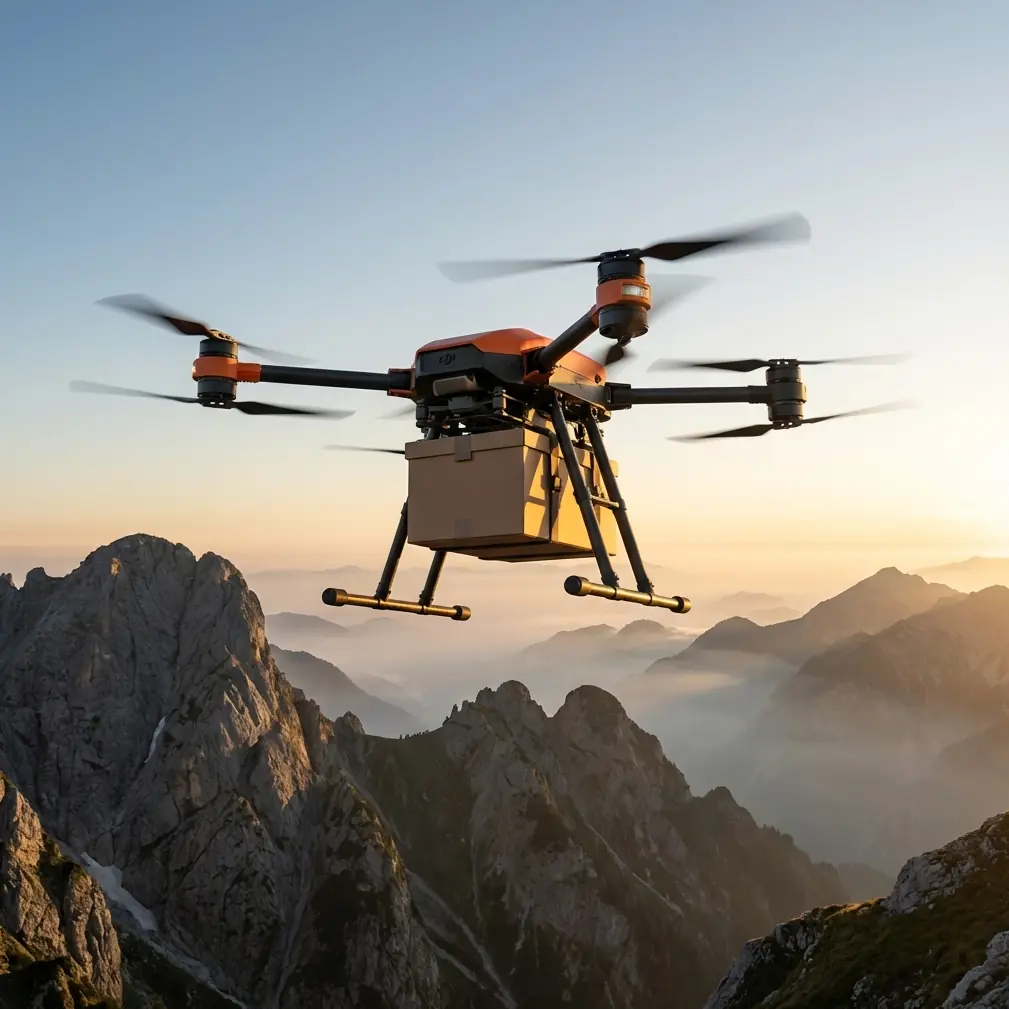
How to Track Construction Sites Remotely with FC30
META: Learn how the FlyCart 30 drone transforms remote construction site tracking with autonomous delivery, real-time monitoring, and all-weather reliability.
By Alex Kim, Logistics Lead
TL;DR
- FlyCart 30's 30kg payload capacity enables delivery of survey equipment, materials, and supplies to remote construction sites without road access
- Dual-battery redundancy and emergency parachute systems ensure mission completion even when weather conditions deteriorate unexpectedly
- BVLOS capability with route optimization allows single-operator management of multiple site deliveries across distances up to 16km
- Winch system integration permits precise equipment drops without requiring landing zones at active construction areas
Why Remote Construction Site Tracking Demands Aerial Solutions
Traditional construction site monitoring in remote locations burns through budgets fast. Helicopter surveys cost thousands per flight hour. Ground vehicles can't access mountainous terrain or areas without roads. And sending personnel to check on progress at distant sites wastes days of productive time.
The FlyCart 30 changes this equation entirely.
This heavy-lift cargo drone handles the payload ratio needed for serious construction logistics—delivering survey equipment, concrete samples, small tools, and documentation to sites that would otherwise require expensive helicopter charters or multi-day ground expeditions.
I've spent the last eighteen months deploying FC30 units across construction projects in the Pacific Northwest, the Rockies, and remote Canadian territories. What follows is the operational playbook we've developed for tracking and supplying construction sites where conventional logistics simply don't work.
Understanding the FlyCart 30's Core Capabilities
Before diving into deployment strategies, you need to understand what makes this platform suitable for construction logistics.
Payload and Flight Performance
The FC30 carries up to 30kg of cargo—enough for:
- Theodolites and total stations
- Concrete test cylinders
- Battery packs for on-site equipment
- Emergency medical supplies
- Documentation and permits requiring physical signatures
Maximum flight range reaches 16km under optimal conditions, with a service ceiling of 6000m above sea level. That altitude capability matters when your construction site sits on a mountain ridge.
Redundancy Systems That Matter
Construction doesn't stop for perfect weather. The FC30's dual-battery architecture provides genuine redundancy—if one battery system fails, the drone continues on the second. Combined with the emergency parachute, you're looking at multiple layers of protection for expensive cargo.
Expert Insight: We configure our FC30 units to trigger automatic return-to-home at 40% battery rather than the default 30%. In mountainous terrain with unpredictable winds, that extra margin has prevented three forced landings in the past year.
Step-by-Step: Setting Up Remote Site Tracking Operations
Step 1: Establish Your Base Station Location
Your launch and recovery point determines everything. Look for:
- Clear 10m x 10m minimum landing zone
- Line-of-sight to initial waypoint (even for BVLOS operations, visual launch confirmation matters)
- Vehicle access for equipment transport
- Cellular or satellite connectivity for real-time telemetry
We typically set up base stations at existing construction staging areas, forest service roads, or cleared helicopter landing zones.
Step 2: Map Your Route with Terrain Awareness
The FC30's route optimization software handles basic path planning, but construction site operations demand manual refinement.
Key considerations:
- Minimum 50m clearance above all obstacles including cranes and temporary structures
- Avoid active blasting zones with time-based geofencing
- Account for thermal activity in mountain valleys during afternoon hours
- Plan alternate landing zones every 3km along extended routes
Step 3: Configure Payload for Specific Missions
Different tracking missions require different loadouts:
| Mission Type | Typical Payload | Weight Range | Special Considerations |
|---|---|---|---|
| Survey Equipment Delivery | Total station, tripod, prisms | 12-18kg | Vibration-dampened case required |
| Sample Collection | Empty containers outbound, filled return | 5-25kg | Secure liquid containment |
| Documentation Run | Permits, plans, contracts | 2-5kg | Weatherproof container essential |
| Emergency Supply | First aid, batteries, communication gear | 8-15kg | Priority routing enabled |
| Progress Monitoring | Camera equipment, reference markers | 10-20kg | Fragile cargo protocols |
Step 4: Implement BVLOS Protocols
Beyond Visual Line of Sight operations require additional preparation:
- File appropriate airspace authorizations (Part 107 waiver in the US, SFOC in Canada)
- Establish communication checkpoints with ground observers if required
- Configure automatic position reporting at 30-second intervals
- Set up geofence boundaries matching your approved operational area
Pro Tip: Keep a laminated copy of your BVLOS authorization in the drone case. Inspectors and curious site managers ask for documentation constantly—having it immediately available saves time and demonstrates professionalism.
Real-World Scenario: When Weather Changes Everything
Last October, we were running daily supply flights to a bridge construction project in British Columbia. The site sat in a valley accessible only by a 4-hour drive on logging roads—or a 12-minute FC30 flight from our staging area.
Day three of operations started clear. We launched at 0730 with 22kg of survey equipment for the morning's foundation layout work.
Seven minutes into the flight, conditions shifted. A weather system moved faster than forecasted, dropping visibility and bringing 35 km/h crosswinds that weren't in the morning briefing.
Here's what happened:
The FC30's onboard systems detected the wind speed increase and automatically adjusted power distribution to maintain course. Groundspeed dropped from 42 km/h to 28 km/h, but heading remained stable.
At the 10-minute mark, with the drone 2km from the delivery point, rain began. The IP55-rated airframe handled the moisture without issue, but we faced a decision: continue to the site or abort to the nearest alternate landing zone.
We continued.
The winch system proved its value at delivery. Rather than attempting a landing on the now-muddy site, we held position at 15m altitude and lowered the equipment case directly to the waiting survey crew. Total hover time in adverse conditions: 4 minutes.
Return flight took 18 minutes against the headwind, with the dual-battery system showing balanced discharge across both packs. We landed with 31% total capacity remaining—tighter than preferred, but within acceptable margins.
That single flight replaced what would have been a cancelled workday. The survey crew completed their layout on schedule, and the project avoided a cascade of delays that would have cost the contractor significantly.
Optimizing Your Tracking Schedule
Consistent site tracking requires systematic scheduling. Here's the framework we use:
Daily Operations
- Morning equipment delivery: Survey gear, daily permits, updated plans
- Midday progress documentation: Photo/video equipment for record-keeping
- End-of-day sample collection: Concrete cylinders, soil samples, water quality tests
Weekly Operations
- Full site photogrammetry flights using mounted camera systems
- Equipment rotation for maintenance and calibration
- Supply inventory replenishment based on consumption tracking
Monthly Operations
- Comprehensive progress reporting with archived flight data
- Drone maintenance and inspection per manufacturer guidelines
- Route optimization review based on accumulated flight data
Common Mistakes to Avoid
Overloading for "just one more item": The 30kg limit exists for a reason. We've seen operators try to squeeze in extra cargo, resulting in degraded flight performance and dangerous landing approaches. Weigh everything. Every time.
Ignoring microclimate conditions: Valley sites experience wind patterns that don't match regional forecasts. Spend time understanding how your specific site behaves before committing to aggressive flight schedules.
Skipping pre-flight checks under time pressure: Construction schedules create urgency. That urgency has caused operators to miss loose propeller nuts, unsecured cargo latches, and low battery states. The checklist exists because shortcuts cause crashes.
Failing to communicate with site personnel: Ground crews need to know when drones are inbound. Establish clear radio protocols and designated landing/pickup zones. Surprises near active construction equipment create dangerous situations.
Neglecting regulatory updates: Airspace rules change. Temporary flight restrictions appear without warning. Build a daily airspace check into your pre-operations routine.
Frequently Asked Questions
Can the FlyCart 30 operate in rain and snow?
The FC30 carries an IP55 weather resistance rating, allowing operations in light to moderate rain and snow. Heavy precipitation degrades sensor performance and adds weight to the airframe—we suspend operations when visibility drops below 1km or precipitation exceeds moderate intensity. The dual-battery system and emergency parachute provide additional safety margins when conditions deteriorate mid-flight.
How do you handle cargo security during winch operations?
The winch system includes a quick-release mechanism rated for the full 30kg payload capacity. We use standardized cargo containers with attachment points designed for the FC30's hook system. For high-value equipment, we add secondary retention straps and require ground personnel to confirm secure attachment before ascent. Winch speed is adjustable—slower speeds reduce swing and improve placement accuracy.
What happens if communication is lost during a BVLOS flight?
The FC30 follows a programmed lost-link procedure: hold position for 30 seconds, attempt reconnection, then execute automatic return-to-home if communication isn't restored. You can customize this behavior, including setting alternate landing points if the home position becomes unsuitable. The emergency parachute deploys automatically if the flight controller detects unrecoverable system failures, protecting both the drone and cargo.
Making Remote Construction Tracking Work
The FlyCart 30 isn't a magic solution—it's a tool that requires proper planning, consistent maintenance, and realistic expectations. But for construction projects in locations where traditional logistics fail, it transforms what's possible.
Sites that once required helicopter support now operate with drone logistics at a fraction of the cost. Progress tracking that demanded multi-day site visits now happens with daily flights. Emergency supplies reach remote crews in minutes rather than hours.
The technology works. The question is whether your operation is ready to implement it properly.
Ready for your own FlyCart 30? Contact our team for expert consultation.