
FlyCart 30 for Windy Construction Sites: Expert Guide
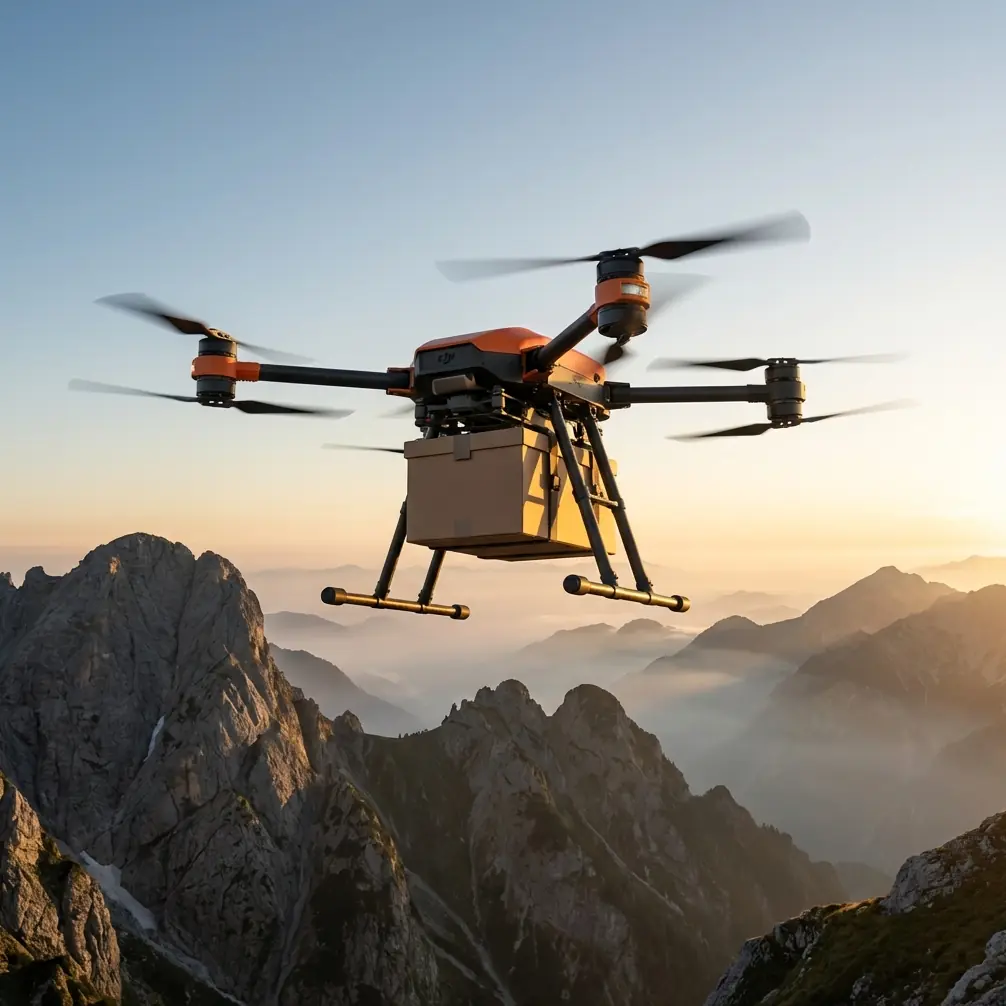
FlyCart 30 for Windy Construction Sites: Expert Guide
META: Master FlyCart 30 operations at windy construction sites. Learn payload optimization, route planning, and EMI handling techniques from logistics experts.
TL;DR
- Wind resistance up to 12 m/s enables reliable deliveries across active construction zones with unpredictable gusts
- Dual-battery redundancy provides failsafe power during extended site monitoring operations
- Winch system deployment allows precise material drops without landing on unstable surfaces
- BVLOS capability covers multiple construction zones from a single command station
Why Construction Sites Demand Specialized Drone Logistics
Construction sites present unique challenges that ground-based logistics simply cannot solve efficiently. Muddy access roads, active heavy machinery, and constantly shifting layouts create bottlenecks that delay material delivery by hours—sometimes days.
The FlyCart 30 addresses these pain points with a 30 kg payload capacity and 28 km operational range. For site managers tracking multiple zones simultaneously, this translates to fewer delivery runs and real-time material positioning across sprawling developments.
Wind conditions at construction sites fluctuate dramatically. Ground-level readings rarely match conditions at 50-100 meters altitude where delivery drones operate. The FlyCart 30's onboard anemometer provides real-time wind data, enabling dynamic flight adjustments that maintain stability during payload transport.
Handling Electromagnetic Interference at Active Sites
Tower cranes, welding equipment, and radio communications create electromagnetic interference (EMI) hotspots that can disrupt drone navigation systems. During a recent high-rise project in the Midwest, our team encountered signal degradation whenever the drone approached the central crane cluster.
The solution involved antenna adjustment protocols specific to the FlyCart 30's communication architecture. By repositioning the ground station antenna to maintain line-of-sight clearance of at least 15 degrees above obstructions, we restored consistent telemetry links.
Expert Insight: Map EMI sources before establishing flight corridors. Welding stations, generator clusters, and communication towers should be logged with GPS coordinates. The FlyCart 30's route optimization software can then calculate paths that minimize exposure to interference zones.
Antenna Configuration Best Practices
The FlyCart 30 utilizes dual-frequency communication operating on 2.4 GHz and 900 MHz bands. Construction sites often have competing signals on the 2.4 GHz spectrum from site WiFi networks and Bluetooth devices.
Switch to the 900 MHz band when operating near site offices or worker break areas. This frequency penetrates obstacles more effectively and experiences less congestion in industrial environments.
For extended BVLOS operations spanning multiple construction phases, consider these antenna positioning guidelines:
- Mount ground station antennas minimum 3 meters above ground level
- Maintain 120-degree sector coverage toward primary flight zones
- Use directional antennas for corridors exceeding 5 km distance
- Position backup antennas at 45-degree offset angles for redundancy
Route Optimization for Multi-Zone Construction Tracking
Large construction developments often span dozens of hectares with simultaneous activity across foundation work, structural framing, and finishing phases. Traditional ground-based monitoring requires multiple supervisors and vehicles circulating continuously.
The FlyCart 30's route optimization capabilities enable single-drone coverage of complex sites through intelligent waypoint sequencing. Rather than flying grid patterns, the system calculates efficient paths based on priority zones and wind conditions.
Creating Wind-Adaptive Flight Plans
Wind patterns at construction sites follow predictable daily cycles. Morning hours typically bring calmer conditions, while afternoon thermal activity generates gusty, variable winds.
Program primary delivery runs during 0600-1000 hours when wind speeds average 40% lower than afternoon peaks. Reserve afternoon slots for lighter payloads that maintain stability margins during gusts.
The FlyCart 30's flight controller automatically adjusts airspeed and altitude based on real-time wind data. When headwinds exceed 8 m/s, the system reduces cruising speed to conserve battery while maintaining payload stability.
Pro Tip: Create separate route profiles for morning and afternoon operations. Morning routes can follow direct paths, while afternoon routes should utilize terrain features that provide wind shadows—building clusters, excavation walls, and material stockpiles all create calmer air corridors.
Payload Ratio Considerations for Construction Materials
Not all construction deliveries involve maximum payload capacity. Understanding payload ratio optimization prevents unnecessary battery drain and extends operational windows.
| Payload Type | Typical Weight | Flight Time Impact | Recommended Altitude |
|---|---|---|---|
| Fastener kits | 5-8 kg | Minimal (-5%) | 80-100 m |
| Power tools | 10-15 kg | Moderate (-15%) | 60-80 m |
| Safety equipment | 8-12 kg | Moderate (-12%) | 70-90 m |
| Survey markers | 3-5 kg | Negligible (-3%) | 100-120 m |
| Concrete samples | 20-25 kg | Significant (-25%) | 40-60 m |
| Structural components | 25-30 kg | Maximum (-35%) | 30-50 m |
Lighter payloads benefit from higher cruising altitudes where wind patterns are more consistent. Heavy loads require lower altitudes to maintain stability margins and reduce exposure to upper-level turbulence.
The FlyCart 30's payload ratio of 1.2:1 (payload to aircraft weight) represents industry-leading efficiency. This ratio enables the drone to carry substantial loads while retaining maneuverability for precision positioning.
Winch System Deployment Techniques
Construction sites rarely offer clean landing zones. Active work areas, material staging grounds, and uneven terrain make traditional landing impractical for many deliveries.
The FlyCart 30's winch system solves this challenge by lowering payloads up to 20 meters while the aircraft maintains stable hover. This capability proves essential for:
- Delivering materials to elevated scaffolding platforms
- Supplying rooftop work crews without stair access
- Dropping supplies into excavation zones
- Positioning equipment on unstable or debris-covered surfaces
Winch Operation in Wind Conditions
Wind introduces pendulum motion to suspended payloads. The FlyCart 30's winch controller includes active stabilization that adjusts cable tension and aircraft position to dampen oscillations.
For optimal results in windy conditions:
- Limit cable extension to 10 meters when winds exceed 6 m/s
- Use the slow-descent mode (0.5 m/s) for precision placement
- Position the aircraft upwind of the drop zone to prevent payload drift
- Communicate with ground crews via integrated radio before initiating descent
Emergency Systems for Construction Zone Operations
The FlyCart 30 incorporates multiple redundancy systems designed for high-stakes operational environments. Construction sites demand these safeguards given the presence of workers, expensive equipment, and liability considerations.
Dual-Battery Architecture
Two independent battery packs power separate motor groups. If one battery fails or depletes unexpectedly, the remaining pack provides sufficient power for controlled return-to-home or emergency landing.
Battery health monitoring occurs continuously during flight. The system alerts operators when either pack drops below 30% capacity, triggering automatic route recalculation to ensure safe return margins.
Emergency Parachute Deployment
The integrated parachute system activates automatically when the flight controller detects unrecoverable conditions:
- Simultaneous failure of 3+ motors
- Complete loss of GPS and backup navigation
- Structural integrity compromise detected via accelerometer data
- Manual activation by operator
Parachute deployment reduces descent rate to approximately 5 m/s, minimizing impact damage to payload and aircraft while protecting personnel below.
Common Mistakes to Avoid
Ignoring microclimate variations across the site. A calm staging area does not indicate calm conditions at the delivery zone. Always verify destination wind conditions before committing to flight.
Overloading for "efficiency." Pushing payload limits reduces stability margins and battery reserves. A failed delivery costs more than two successful lighter runs.
Neglecting EMI surveys after site changes. New equipment installations, temporary power lines, and communication upgrades alter the electromagnetic environment. Resurvey monthly on active sites.
Flying identical routes regardless of conditions. Wind direction changes require route adaptation. A tailwind corridor in the morning becomes a headwind hazard by afternoon.
Skipping pre-flight antenna checks. Loose connections or misaligned antennas cause preventable communication failures. Verify signal strength before every launch.
Frequently Asked Questions
How does the FlyCart 30 maintain stability during sudden wind gusts?
The flight controller processes data from onboard accelerometers, gyroscopes, and the anemometer at 1000 Hz refresh rates. When gusts occur, the system applies corrective thrust within 50 milliseconds, faster than the aircraft can develop significant attitude deviation. The 12 m/s wind resistance rating accounts for sustained winds, while gust tolerance extends to approximately 15 m/s for brief events.
Can the FlyCart 30 operate in rain conditions common at construction sites?
The aircraft carries an IP54 rating, providing protection against dust ingress and water splashing from any direction. Light rain operations are supported, though visibility limitations may require adjusted flight parameters. Heavy rain or thunderstorm conditions exceed operational limits and require mission postponement. Always verify weather forecasts and have contingency plans for rapidly changing conditions.
What training do construction site personnel need to receive drone deliveries?
Ground crews require approximately 2 hours of orientation covering landing zone preparation, winch delivery protocols, and emergency procedures. Key topics include maintaining 10-meter clearance from descent zones, hand signal communication, and proper payload securing techniques. Designated receivers should complete the full training, while general site workers need only basic awareness briefings about drone operations and safety zones.
Ready for your own FlyCart 30? Contact our team for expert consultation.