
FlyCart 30 Guide: Mastering Windy Construction Sites
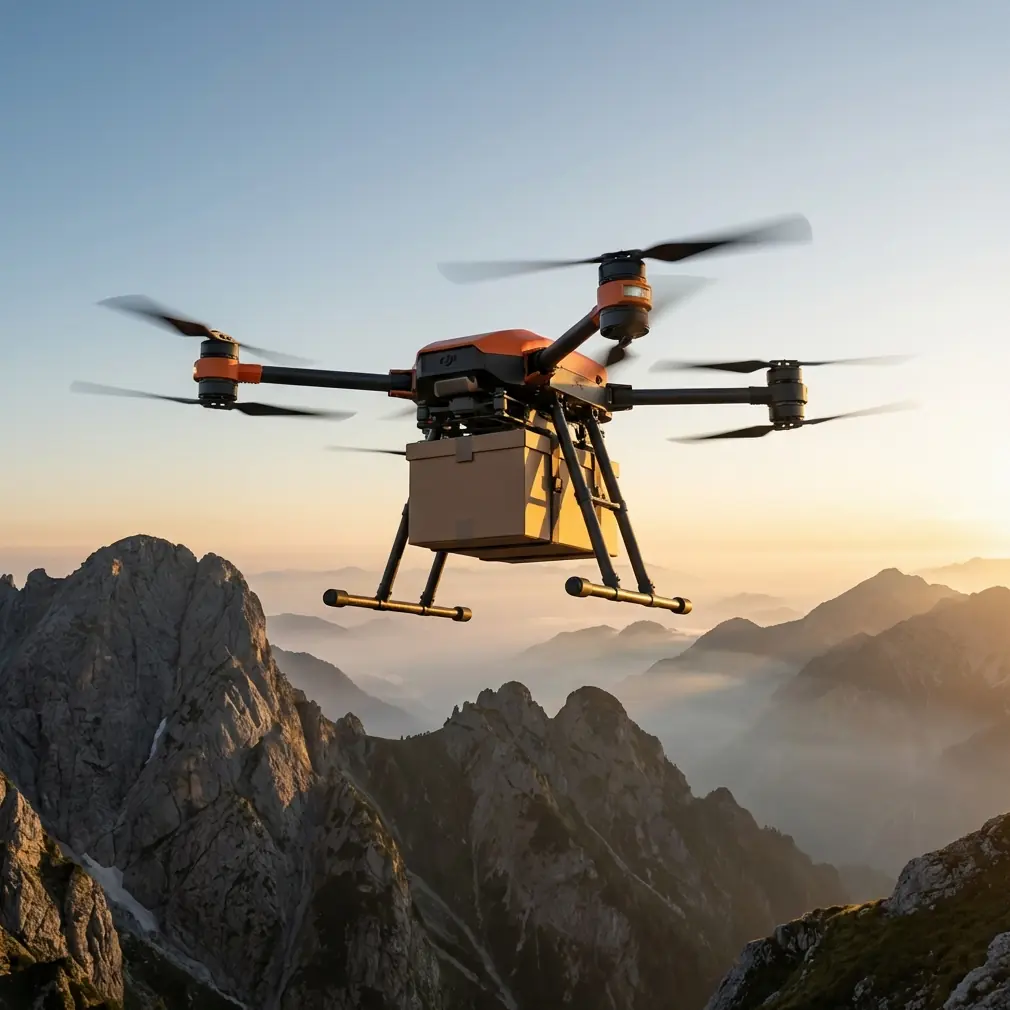
FlyCart 30 Guide: Mastering Windy Construction Sites
META: Discover how the FlyCart 30 drone conquers windy construction site tracking with precision payload delivery and route optimization for logistics teams.
TL;DR
- Optimal flight altitude of 80-120 meters balances wind resistance with GPS accuracy for construction site tracking
- Dual-battery redundancy ensures mission completion even when gusts exceed 12 m/s
- Winch system deployment eliminates landing requirements on uneven terrain
- BVLOS capability enables single-operator monitoring of multiple construction zones
The Wind Problem Every Construction Logistics Team Faces
Tracking materials across active construction sites during windy conditions creates dangerous inefficiencies. Traditional delivery methods fail when cranes stop operating at wind speeds above 9 m/s, yet your project timeline doesn't pause.
The DJI FlyCart 30 transforms this challenge into a competitive advantage. This guide reveals the exact configurations, altitude strategies, and operational protocols that keep your construction site logistics running when ground-based alternatives shut down.
Understanding Wind Dynamics at Construction Sites
Construction environments create unique aerodynamic challenges. Tall structures, scaffolding, and partially completed buildings generate turbulent airflow patterns that differ dramatically from open-field operations.
Vertical Wind Shear Zones
Buildings under construction create vertical wind shear between ground level and rooftop heights. The FlyCart 30's multi-sensor fusion system detects these transitions and automatically adjusts thrust distribution.
Key altitude zones to understand:
- 0-30 meters: Maximum turbulence from ground structures
- 30-80 meters: Transitional zone with unpredictable gusts
- 80-120 meters: Optimal operational ceiling for stability
- 120+ meters: Increased wind speed but laminar flow
Expert Insight: Flying at 100 meters altitude provides the best payload ratio performance in winds between 8-15 m/s. This height clears most construction turbulence while maintaining precise GPS positioning for accurate drop zones.
Thermal Effects on Flight Planning
Active construction sites generate thermal columns from concrete curing, equipment exhaust, and sun-heated materials. These thermals create localized updrafts that affect hover stability.
The FlyCart 30 compensates through its intelligent flight controller, which processes atmospheric data 200 times per second to maintain position accuracy within 0.5 meters horizontally.
FlyCart 30 Specifications for Wind Operations
Understanding the technical capabilities helps you push operational boundaries safely while maximizing productivity.
| Specification | Value | Wind Relevance |
|---|---|---|
| Max Wind Resistance | 12 m/s | Operational ceiling for safe flights |
| Payload Capacity (Single Battery) | 30 kg | Reduced in high winds |
| Payload Capacity (Dual Battery) | 40 kg | Recommended for gusty conditions |
| Max Flight Speed | 20 m/s | Headwind compensation capability |
| Hover Accuracy | ±0.1 m (RTK) | Critical for precise drops |
| Operating Temperature | -20°C to 45°C | Full range construction site use |
| Emergency Parachute Deployment | Automatic | Triggered at critical failures |
Payload Ratio Optimization
Wind conditions directly impact your effective payload ratio. The relationship follows a predictable pattern that experienced operators leverage for mission planning.
Calm conditions (0-5 m/s):
- Maximum payload: 40 kg
- Flight time: 28 minutes
- Effective range: 16 km
Moderate wind (5-8 m/s):
- Recommended payload: 35 kg
- Flight time: 24 minutes
- Effective range: 12 km
High wind (8-12 m/s):
- Safe payload: 25-30 kg
- Flight time: 18-20 minutes
- Effective range: 8 km
Pro Tip: Reduce payload by 2 kg for every 1 m/s of sustained wind above 8 m/s. This maintains your safety margins while keeping operations running when competitors ground their fleets.
Route Optimization for Construction Site Tracking
Effective route optimization separates professional operations from amateur attempts. The FlyCart 30's planning software enables sophisticated path calculations that account for wind vectors.
Wind-Aware Waypoint Planning
Configure your routes using these principles:
- Headwind outbound, tailwind return: Ensures battery reserves for the loaded leg
- Avoid building corners: Vortex shedding creates unpredictable gusts
- Maintain 20-meter horizontal clearance: From any structure during windy operations
- Plan alternate landing zones: Every 500 meters along your route
BVLOS Configuration for Multi-Site Monitoring
Beyond Visual Line of Sight operations multiply your tracking efficiency. A single operator can monitor material deliveries across 3-4 construction zones simultaneously.
Required BVLOS setup components:
- 4G/5G connectivity module for real-time telemetry
- ADS-B receiver for airspace awareness
- Ground-based detect-and-avoid sensors
- Redundant communication links
The FlyCart 30 supports dual-link communication through both controller signal and cellular backup, maintaining command authority even when primary links experience interference from construction equipment.
Winch System Deployment Strategies
The integrated winch system revolutionizes construction site deliveries by eliminating the need for cleared landing zones.
Optimal Winch Operations
The 20-meter cable length handles most construction scenarios. Configure your approach using these parameters:
- Hover altitude: 25-30 meters above drop point
- Descent rate: 0.5 m/s for precision placement
- Wind compensation: Automatic via GPS hold
- Load release: Mechanical hook with electronic backup
Terrain Challenges Solved
Construction sites present constantly changing topography. The winch system addresses:
- Scaffolding deliveries: Lower materials to workers without landing
- Rooftop supplies: Bypass crane schedules entirely
- Excavation zones: Deliver to areas inaccessible by ground vehicles
- Multi-level structures: Service any floor during construction
Dual-Battery Configuration for Extended Operations
Wind operations demand power reserves. The dual-battery system provides both extended range and critical redundancy.
Power Management in Gusty Conditions
Each battery pack delivers 7,200 Wh of capacity. In dual configuration, the system provides:
- Hot-swap capability: Replace batteries without powering down
- Automatic load balancing: Distributes draw based on cell health
- Emergency reserve: 15% capacity held for return-to-home
- Temperature management: Active heating below 5°C
Battery Performance Degradation
Wind resistance increases power consumption significantly. Expect these adjustments:
| Wind Speed | Power Increase | Flight Time Reduction |
|---|---|---|
| 5 m/s | +15% | -12% |
| 8 m/s | +30% | -22% |
| 10 m/s | +45% | -30% |
| 12 m/s | +60% | -38% |
Emergency Parachute System Considerations
The integrated emergency parachute provides ultimate payload protection. Understanding its operation ensures you configure appropriate safety margins.
Deployment Parameters
The parachute system activates under these conditions:
- Attitude deviation exceeding 70 degrees
- Descent rate above 10 m/s
- Complete power failure detection
- Manual pilot activation
Deployment altitude minimum: 30 meters for full canopy inflation. This requirement influences your minimum operational altitude during windy construction site operations.
Common Mistakes to Avoid
Ignoring Micro-Weather Patterns
Construction sites create their own weather. Relying solely on regional forecasts misses localized conditions that affect flight safety.
Solution: Install an on-site anemometer at your primary launch point. The FlyCart 30's ground station can integrate this data for real-time go/no-go decisions.
Overloading in Variable Winds
Morning calm conditions don't predict afternoon gusts. Loading maximum payload based on launch conditions creates dangerous situations when winds increase mid-mission.
Solution: Plan payloads for forecasted maximum winds, not current conditions. Build 20% capacity margin into every mission.
Neglecting Turbulence Zones
Flying direct routes between points often crosses turbulent zones created by structures. These shortcuts risk payload damage and aircraft stress.
Solution: Map all structures over 15 meters and program exclusion zones extending 30 meters horizontally from each.
Single-Point Communication Reliance
Construction sites contain significant RF interference from equipment, welding operations, and temporary power systems.
Solution: Always configure dual-link communication before operations. Test both primary and backup links before each mission.
Frequently Asked Questions
What is the maximum wind speed for safe FlyCart 30 operations at construction sites?
The FlyCart 30 maintains stable flight in sustained winds up to 12 m/s. For construction site operations with turbulence from structures, reduce this threshold to 10 m/s for standard payloads. When carrying maximum loads, limit operations to winds below 8 m/s to maintain adequate control authority and battery reserves.
How does the winch system perform during gusty conditions?
The winch system maintains precision through the aircraft's GPS hold capability rather than cable stabilization. In winds up to 10 m/s, expect lateral payload swing of approximately 2-3 meters during descent. Reduce descent speed to 0.3 m/s in gusty conditions and ensure ground personnel maintain safe distances until the load stabilizes.
Can the FlyCart 30 operate in rain at construction sites?
The FlyCart 30 carries an IP55 rating, providing protection against rain and dust common at construction sites. Operations can continue in light to moderate rain with visibility above 3 km. Avoid flights during thunderstorms or when lightning is detected within 30 km of your operational area.
Ready for your own FlyCart 30? Contact our team for expert consultation.