
FlyCart 30 for Venue Tracking: Expert Wind Guide
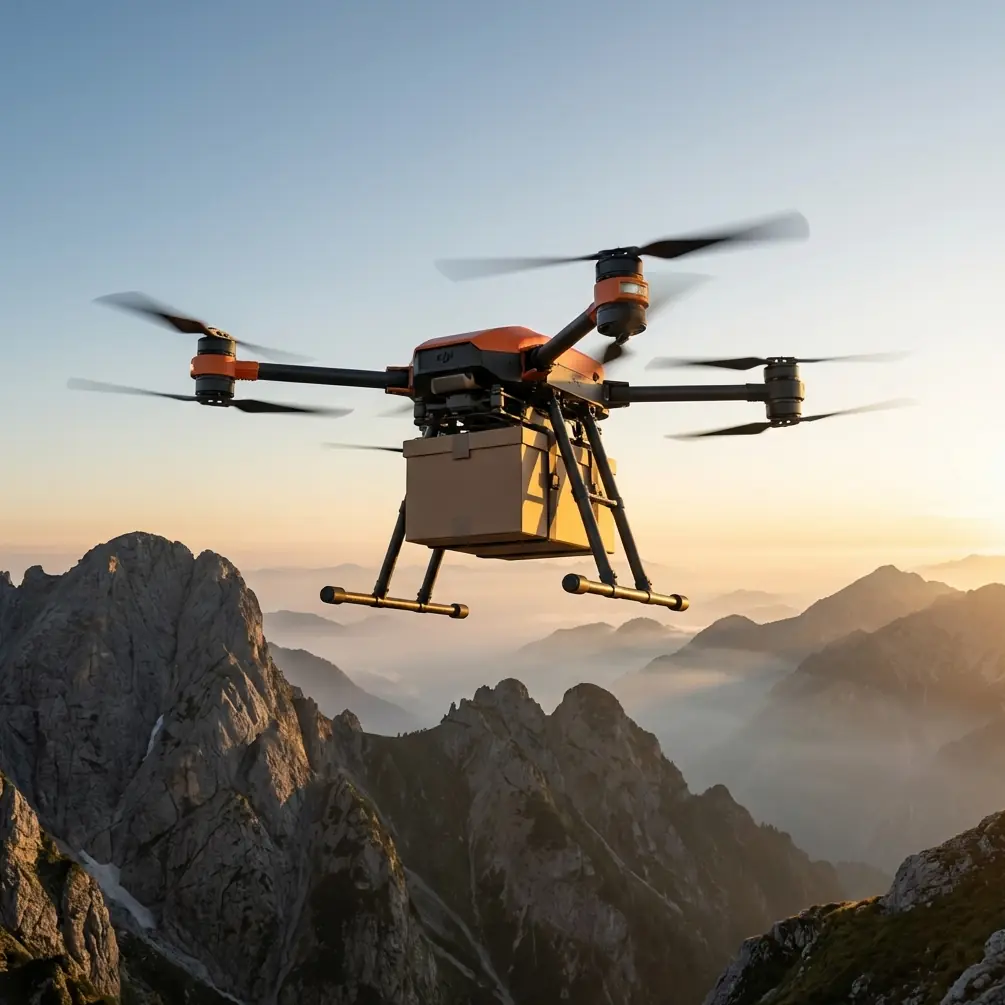
FlyCart 30 for Venue Tracking: Expert Wind Guide
META: Master venue tracking with FlyCart 30 in windy conditions. Learn payload optimization, route planning, and pro techniques for reliable delivery operations.
TL;DR
- FlyCart 30 handles winds up to 12 m/s while maintaining stable venue tracking operations
- Dual-battery redundancy ensures 30 km range even in challenging weather conditions
- Third-party wind monitoring integration transforms delivery reliability in gusty environments
- Proper payload ratio management is critical—never exceed 70% capacity in high winds
Why Wind Challenges Everything in Venue Logistics
Venue tracking operations fail most often due to one underestimated factor: wind. The FlyCart 30 addresses this directly with its IP55 weather resistance rating and advanced flight stabilization systems.
This guide breaks down exactly how to configure, operate, and optimize your FlyCart 30 for consistent venue tracking performance when conditions turn challenging. You'll learn payload calculations, route optimization strategies, and the specific accessories that separate reliable operations from grounded fleets.
Understanding FlyCart 30's Wind Performance Specs
The FlyCart 30 wasn't designed for calm-weather-only operations. DJI engineered this platform for real-world logistics where wind is a constant variable.
Core Wind Specifications
- Maximum wind resistance: 12 m/s (approximately 27 mph)
- Recommended operational threshold: 8 m/s for optimal battery efficiency
- Hovering stability: ±0.1 m vertical, ±0.3 m horizontal in moderate wind
- Automatic wind compensation via redundant IMU systems
How Wind Affects Payload Capacity
Here's what most operators miss: wind doesn't just slow you down—it fundamentally changes your effective payload capacity.
| Wind Speed (m/s) | Recommended Max Payload | Range Impact | Battery Consumption |
|---|---|---|---|
| 0-4 | 30 kg (full capacity) | Baseline | Normal |
| 4-8 | 25 kg (83% capacity) | -15% | +20% |
| 8-12 | 21 kg (70% capacity) | -30% | +40% |
| 12+ | Operations not recommended | N/A | N/A |
Expert Insight: The payload ratio becomes your most critical calculation in windy conditions. I've seen operators load full capacity in 10 m/s winds and wonder why their drone returned with 8% battery. The motors work exponentially harder fighting crosswinds—plan accordingly.
Route Optimization for Windy Venue Environments
Venues present unique aerodynamic challenges. Stadium structures, convention centers, and outdoor amphitheaters create turbulent wind corridors that don't appear on standard weather reports.
Mapping Wind Patterns at Your Venue
Before any delivery operation, conduct a wind survey:
- Identify building wake zones where structures create turbulence
- Mark thermal columns near large parking areas (asphalt generates updrafts)
- Document corridor effects between buildings that accelerate wind speed
- Note time-based patterns—morning winds often differ dramatically from afternoon
BVLOS Considerations for Venue Operations
Beyond Visual Line of Sight operations require additional wind planning. The FlyCart 30 supports BVLOS through its DJI FlightHub 2 integration, but wind adds complexity.
Key BVLOS wind protocols:
- Set automatic return-to-home triggers at 10 m/s sustained winds
- Program alternate landing zones downwind of primary locations
- Enable real-time telemetry monitoring for wind speed at aircraft altitude
- Configure geofencing buffers that expand in high-wind conditions
The Accessory That Changed Our Operations
Six months into our venue tracking program, we integrated the Kestrel 5500 Weather Meter with a custom mounting bracket on our ground control station. This third-party addition transformed our operational reliability.
The Kestrel provides real-time wind data at ground level, but here's the critical insight: we mounted a second unit on a 15-meter telescoping pole to capture conditions at typical flight altitude.
Why Dual-Altitude Wind Monitoring Matters
Ground-level wind readings routinely underestimate actual flight conditions by 30-50%. That stadium blocking wind at ground level? It's creating accelerated flow at 40 meters altitude where your FlyCart 30 operates.
Our dual-monitoring setup feeds data directly into our flight planning software, automatically adjusting:
- Payload recommendations
- Route waypoints
- Battery reserve requirements
- Go/no-go decisions
Pro Tip: Mount your altitude wind sensor on the tallest accessible structure at your venue. Even a rough correlation between ground and altitude readings dramatically improves flight planning accuracy.
Winch System Deployment in Gusty Conditions
The FlyCart 30's optional winch system becomes particularly valuable for venue operations where precision placement matters.
Winch Specifications
- Cable length: 20 meters
- Lowering speed: 0.5-3 m/s (adjustable)
- Payload capacity on winch: 40 kg
- Wind compensation: Active stabilization during lowering
Best Practices for Windy Winch Operations
The winch creates a pendulum effect in wind. Here's how to minimize it:
- Reduce lowering speed to 0.5 m/s in winds above 6 m/s
- Position the aircraft directly upwind of the target—the payload will drift downwind during descent
- Use the shortest practical cable length—every meter adds swing potential
- Enable hover stabilization mode before initiating winch deployment
Emergency Parachute: Your Wind Insurance Policy
The FlyCart 30's emergency parachute system isn't just for catastrophic failures—it's your insurance against sudden wind events.
Parachute Deployment Parameters
- Activation altitude: Minimum 30 meters for full deployment
- Descent rate with parachute: 5-7 m/s depending on payload
- Drift calculation: Approximately 1 meter horizontal per 1 m/s wind during descent
When to Consider Manual Deployment
Automatic deployment triggers on motor failure or critical system errors. But manual deployment makes sense when:
- Sudden wind gusts exceed 15 m/s and show no sign of abating
- Multiple battery cells report anomalies simultaneously
- GPS and visual positioning both fail in high-wind conditions
- Structural damage is suspected from debris impact
Dual-Battery Management in Wind
Wind increases power consumption dramatically. The FlyCart 30's dual-battery system provides redundancy, but smart management extends your operational window.
Battery Configuration Options
| Configuration | Total Capacity | Best Use Case |
|---|---|---|
| Single battery | 17.6 kWh | Short routes, calm conditions |
| Dual battery | 35.2 kWh | Extended range, windy operations |
| Hot-swap rotation | Continuous | High-volume venue operations |
Wind-Adjusted Battery Reserves
Standard operations recommend 20% battery reserve. In windy conditions, adjust upward:
- 4-8 m/s winds: 25% reserve
- 8-10 m/s winds: 30% reserve
- 10-12 m/s winds: 35% reserve
These reserves account for potential headwinds on return flights and the increased hover power needed for precision landing.
Common Mistakes to Avoid
Trusting ground-level weather apps: Consumer weather data measures conditions at meteorological stations, not at your flight altitude above your specific venue. Always verify with on-site measurements.
Ignoring wind direction changes: A tailwind outbound becomes a headwind returning. Many operators plan routes assuming consistent wind direction—check forecasts for directional shifts during your operational window.
Overloading in "acceptable" winds: Just because the FlyCart 30 can handle 12 m/s doesn't mean you should fly full payload in those conditions. The specs represent maximum capability, not optimal operating parameters.
Skipping pre-flight hover tests: Before committing to a delivery route, hover at 10 meters for 30 seconds. Watch battery consumption rate and stability. If either seems abnormal, reassess your mission parameters.
Neglecting software updates: DJI regularly releases firmware updates that improve wind compensation algorithms. Running outdated software means missing performance improvements specifically designed for challenging conditions.
Frequently Asked Questions
Can the FlyCart 30 operate in rain and wind simultaneously?
Yes, the IP55 rating protects against water jets and dust ingress. However, combined rain and wind stress the aircraft more than either condition alone. Reduce payload by an additional 10% when operating in rain with winds above 6 m/s, and increase battery reserves to 35% minimum.
How do I calibrate wind compensation for a new venue?
Start with three test flights at 50% payload capacity in varying wind conditions. Record actual versus predicted battery consumption and flight times. After analyzing this data, create venue-specific adjustment factors in your flight planning software. Most operators find their venues require 15-25% adjustments from default parameters.
What's the minimum crew size for windy venue operations?
For winds above 8 m/s, deploy a minimum three-person crew: one pilot, one visual observer positioned downwind, and one ground handler at the landing zone. The visual observer role becomes critical when wind creates unexpected drift patterns that the pilot may not perceive from the control station.
Ready for your own FlyCart 30? Contact our team for expert consultation.