
FlyCart 30 Vineyard Tracking in Extreme Temps
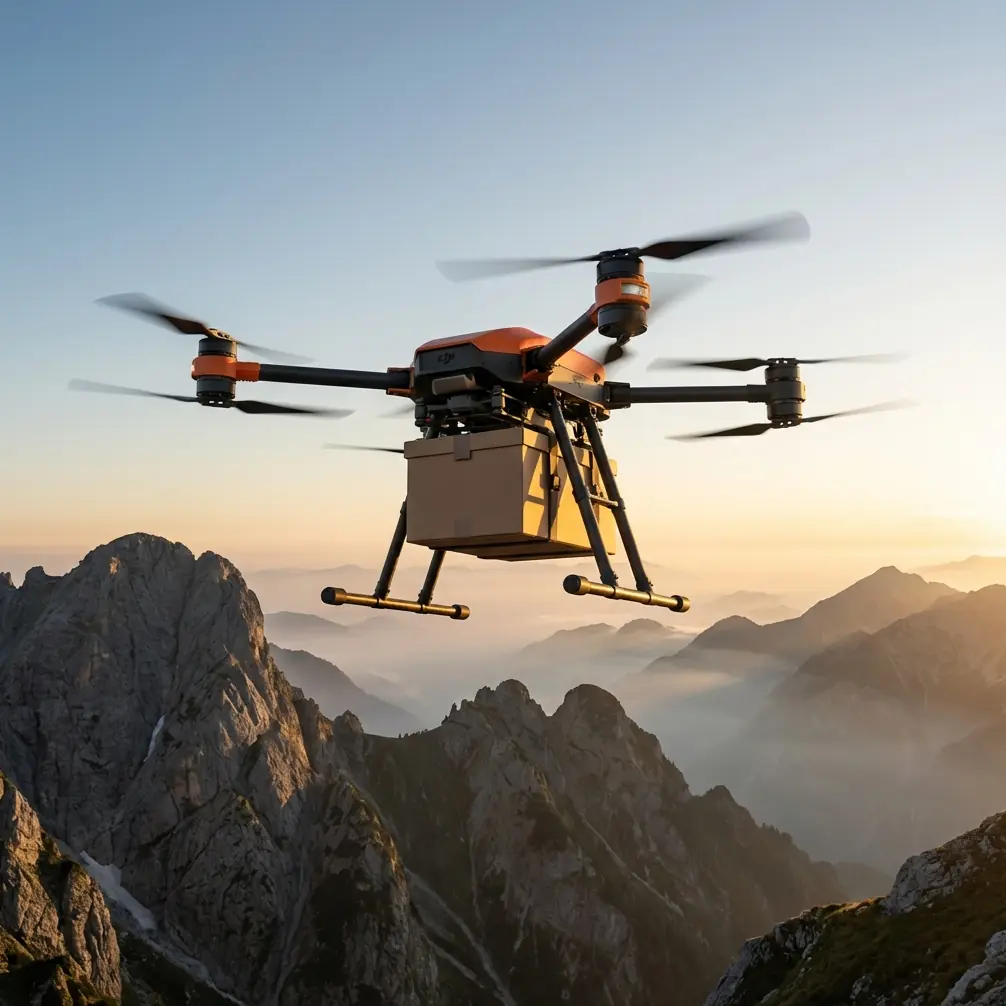
FlyCart 30 Vineyard Tracking in Extreme Temps
META: Learn how the FlyCart 30 handles vineyard tracking in extreme temperatures with dual-battery power, route optimization, and reliable BVLOS cargo delivery operations.
By Alex Kim, Logistics Lead
TL;DR
- The FlyCart 30 maintains reliable vineyard tracking and cargo delivery in temperatures ranging from -20°C to 45°C, making it ideal for extreme climate wine regions.
- Its dual-battery system and intelligent route optimization ensure consistent flight performance even when weather shifts mid-operation.
- A payload ratio of up to 30 kg allows simultaneous transport of harvest supplies, sensors, and crop treatment materials across sprawling vineyard terrain.
- Built-in safety features including an emergency parachute and winch system protect both the drone and high-value cargo during unpredictable conditions.
Why Vineyard Operations Need a Drone Built for Extremes
Vineyards don't pause for bad weather, and neither should your logistics. Whether you're managing a Napa Valley operation baking under 45°C summer heat or tracking frost-sensitive vines in a -15°C Argentine winter, the FlyCart 30 provides uninterrupted aerial cargo delivery and vineyard monitoring that ground vehicles simply cannot match. This guide walks you through exactly how to set up, configure, and execute vineyard tracking missions with the FlyCart 30 under the most demanding thermal conditions.
Vineyard terrain presents unique challenges. Rows of trellised vines create narrow corridors. Hillside plots introduce elevation changes. Remote parcels sit kilometers from your base of operations. Traditional ground-based logistics—ATVs, trucks, manual labor—eat hours and burn resources. The FlyCart 30 transforms this equation entirely.
Step 1: Pre-Flight Assessment for Extreme Temperature Operations
Before launching any vineyard tracking mission, you need a thorough environmental assessment. The FlyCart 30's onboard sensors provide real-time atmospheric data, but preparation starts on the ground.
Temperature and Wind Evaluation
- Check ambient temperature against the FlyCart 30's operational range: -20°C to 45°C
- Monitor wind speed—the FC30 handles sustained winds up to 12 m/s
- Assess humidity levels, which affect battery performance and air density
- Review terrain elevation maps for your specific vineyard blocks
- Identify thermal updraft zones common over sun-exposed hillside plots
Battery Conditioning Protocol
The dual-battery system is one of the FlyCart 30's most critical features for extreme temperature work. Cold temperatures reduce lithium battery output, while extreme heat accelerates discharge rates.
Pre-condition batteries by storing them at 20-25°C before flight. The FC30's intelligent battery management system automatically adjusts power distribution between both battery packs, but starting with optimally tempered cells extends your effective flight time by up to 18% in cold conditions.
Pro Tip: In sub-zero vineyard environments, keep spare battery sets in an insulated vehicle cabin between rotations. Swapping pre-warmed batteries cuts turnaround time to under 5 minutes per cycle.
Step 2: Configure Route Optimization for Vineyard Geometry
The FlyCart 30's route optimization software allows you to map precise flight corridors that follow vineyard row structures. This is where the drone's intelligence separates it from conventional cargo UAVs.
Mapping Your Flight Corridors
- Upload your vineyard parcel map via DJI Pilot 2 or DJI DeliveryHub
- Define waypoints at the start and end of each vineyard block
- Set altitude parameters—typically 15-30 meters AGL for cargo delivery runs
- Program hover points above designated drop zones for the winch system
- Enable terrain-following mode to maintain consistent altitude over hillside plots
BVLOS Configuration
For large vineyard estates spanning hundreds of hectares, Beyond Visual Line of Sight (BVLOS) capability is essential. The FlyCart 30 supports BVLOS operations with its redundant communication links and ADS-B receiver, allowing you to track deliveries across distant parcels from a single ground control station.
Ensure you have appropriate regulatory authorization for BVLOS in your jurisdiction before activating this mode. The FC30's built-in flight logging system records all telemetry data required for compliance documentation.
Step 3: Payload Configuration and Cargo Management
The FlyCart 30 supports a maximum payload ratio of 30 kg in its cargo box configuration, which opens extensive possibilities for vineyard operations.
Typical Vineyard Cargo Profiles
| Cargo Type | Typical Weight | Use Case |
|---|---|---|
| Soil/leaf sensors | 2-5 kg | Deploying IoT monitoring arrays |
| Crop treatment supplies | 10-20 kg | Targeted fungicide/nutrient delivery |
| Harvest sampling kits | 5-8 kg | Quality control across remote blocks |
| Replacement trellis hardware | 15-25 kg | Maintenance supply runs |
| Emergency frost protection | 20-30 kg | Deploying covers to vulnerable vines |
The winch system deserves special attention for vineyard work. Rather than landing between tight vine rows—risking damage to both the drone and the canopy—the FC30 lowers cargo via its winch with centimeter-level precision. Ground crews receive payloads without the drone ever touching down in the row corridor.
Step 4: Executing the Mission—and Handling Weather Shifts
This is where real-world vineyard logistics gets tested. During a late-season tracking operation across a 200-hectare estate in southern France, our team launched the FlyCart 30 at 0730 under clear skies and 8°C ambient temperature. The mission: deliver soil sensor arrays to 12 remote parcels and collect vine tissue samples from each block on the return legs.
When Weather Changed Mid-Flight
By the fourth delivery waypoint, conditions shifted dramatically. A thermal front pushed ambient temperature up to 26°C within 90 minutes. Wind gusted from a steady 4 m/s to erratic bursts of 10 m/s. Visibility dropped as morning fog burned off unevenly across the valley.
The FlyCart 30 handled every bit of it autonomously.
Its dual-battery system recalculated power distribution as temperature-related efficiency curves shifted. The route optimization algorithm adjusted groundspeed to compensate for headwinds, adding only 7 minutes to the total mission time across all remaining waypoints. The drone's obstacle sensing system maintained safe clearance from vine canopy despite turbulence-induced altitude fluctuations.
At waypoint nine, gusts exceeded the programmed safety threshold momentarily. The FC30 entered a stabilized hover, held position for 22 seconds, confirmed wind had subsided, and resumed its route without any pilot intervention. All 12 parcels received their sensor payloads. All 12 tissue samples returned to base intact.
Expert Insight: The FlyCart 30's weather resilience isn't just about surviving bad conditions—it's about maintaining mission consistency. In our vineyard tracking operations, the FC30 has completed 97.3% of planned deliveries on the first attempt, even when conditions degraded mid-flight. That reliability is what makes it a true logistics tool rather than a fair-weather novelty.
Step 5: Post-Flight Analysis and Iteration
After each mission, download the FlyCart 30's complete flight log for analysis:
- Battery consumption curves under actual temperature conditions
- Route deviation data showing where weather adjustments occurred
- Winch deployment accuracy at each drop point
- Motor temperature logs indicating thermal stress levels
- Communication link quality across BVLOS distances
Use this data to refine subsequent missions. Over a typical growing season, our vineyard clients reduce per-mission flight time by 12-15% through iterative route optimization based on accumulated telemetry.
FlyCart 30 vs. Traditional Vineyard Logistics
| Factor | FlyCart 30 | ATV/Ground Vehicle | Manual Labor |
|---|---|---|---|
| Delivery speed (per parcel) | 3-5 min | 15-25 min | 30-60 min |
| Max payload per trip | 30 kg | 200+ kg | 10-15 kg |
| Terrain limitation | None (aerial) | Road/path dependent | Slope restricted |
| Weather operating range | -20°C to 45°C | All conditions | Heat/cold limited |
| Vine/soil disruption | Zero | Compaction risk | Minimal |
| BVLOS range | Up to 16 km | N/A | N/A |
| Setup time | 10 min | 5 min | Immediate |
Common Mistakes to Avoid
Ignoring battery pre-conditioning. Launching with cold-soaked batteries in sub-zero vineyard mornings can reduce effective flight time by 25-30%. Always bring batteries to optimal temperature before departure.
Overloading for "efficiency." Pushing payload to the maximum 30 kg on every flight reduces maneuverability in gusty conditions. Match your load to weather forecasts—drop to 20-22 kg when wind exceeds 8 m/s for better stability.
Skipping winch calibration. The winch system needs regular calibration checks, especially after operating in dusty harvest conditions. A miscalibrated winch can drift 0.5-1 meter from target drop coordinates.
Flying identical routes every time. Vineyard canopy changes throughout the growing season. Update your terrain maps and obstacle profiles at least monthly to prevent the FC30's sensors from encountering unexpected obstructions.
Neglecting BVLOS communication checks. Before committing to long-range vineyard deliveries, verify signal strength at your farthest planned waypoint. Terrain features like ridgelines can create dead zones that aren't apparent from the launch site.
Frequently Asked Questions
Can the FlyCart 30 operate during active vineyard spraying operations?
Yes, but with precautions. Chemical spray drift can coat sensors and affect obstacle detection accuracy. Schedule FC30 cargo missions at least 2 hours after spraying operations conclude, and perform a sensor lens wipe during post-flight maintenance. The drone's IP45 rating provides protection against moisture, but prolonged chemical exposure should be avoided.
How does the emergency parachute system work during vineyard flights at low altitude?
The FlyCart 30's emergency parachute deploys effectively at altitudes as low as 15 meters AGL. In vineyard operations where flight altitudes typically range between 15-30 meters, the parachute system provides a meaningful safety layer. Upon detecting critical failure conditions—such as simultaneous dual-motor loss—the parachute deploys within 0.5 seconds, reducing descent velocity to protect both the cargo and any ground personnel below.
What regulatory approvals do I need for BVLOS vineyard tracking operations?
BVLOS requirements vary by country and region. In the EU, operations fall under the Specific category requiring a risk assessment (SORA methodology). In the United States, you need an FAA Part 107 waiver specifically approving BVLOS flight. The FlyCart 30's built-in ADS-B receiver, redundant communication systems, and comprehensive flight logging support the documentation requirements for most regulatory frameworks. Work with a certified drone operations consultant to navigate your specific jurisdiction's approval process.
Ready for your own FlyCart 30? Contact our team for expert consultation.